 0
0
 0
0
Title: Montel Williams Reflects on Daytime TV’s Rise: A Look Back at "Dirty Talk" Culture
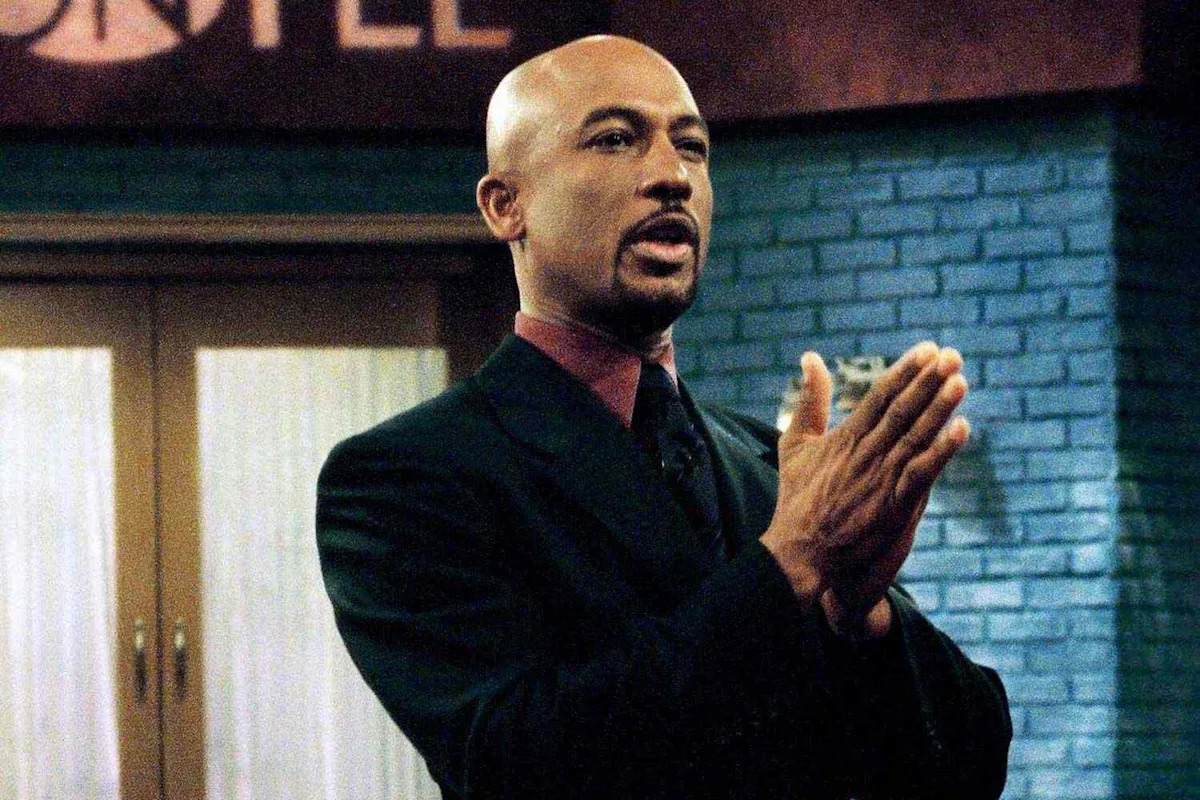
In a revealing exploration of the landscape of 90s daytime television, Montel Williams reflects on the sensationalism that became a hallmark of his talk show era. In ABC’s new documentary series Dirty Talk: When Daytime Talk Shows Ruled TV, which aired its first episode on January 14, Williams candidly discusses the shift toward increasingly provocative content driven by the quest for higher ratings.
From 1991 to 2008, Williams hosted The Montel Williams Show, a platform that, like many of its contemporaries, gradually ventured into the realm of sensationalism. He stated, “Everybody was trying to figure out how they could talk about the most salacious things,” emphasizing how pervasive this mentality was across the industry. Williams noted that all talk shows—including those of legends like Oprah Winfrey and Phil Donahue—engaged in strategies involving provocative themes, often showcasing guests from various backgrounds, including those deemed “lower income,” thereby navigating a fine line between entertainment and exploitation.
While the shows may have sought to captivate audiences with what Williams describes as “the biggest breasts on air,” the underlying implications raise essential questions about the treatment of guests and their emotional well-being. Williams remarked, “I don’t think anybody had that intent, but… some wanted to utilize their guests as props.” This perspective echoes the biblical principle found in James 1:27, which reminds us to look after those who are most vulnerable and in need.
As the documentary unfolds, it reveals a competitive environment where producers would even "steal" guests from each other, reflecting a cutthroat mentality that prioritizes ratings over human dignity. This invites us to consider how our choices—both in media and in life—impact others around us.
Ultimately, Williams’ insights serve as a reminder of the personal and societal responsibility we bear in the content we create and consume. In a culture that often celebrates sensationalism, it is vital to reflect on how we can engage with others compassionately, honoring their stories rather than reducing them to mere entertainment.
As we continue to navigate such complex terrains in entertainment and society, we would do well to remember the wisdom of Proverbs 11:17: “Your own soul is nourished when you are kind; it is destroyed when you are cruel.”
Encouraging readers to reflect on their consumption of media—what narratives are we uplifting or challenging in our own lives?—can foster a collective shift towards a more compassionate dialogue, prompting not just curiosity but deeper reflection on how we engage with the world around us.
If you want to want to know more about this topic, check out BGodInspired.com or check out specific products/content we’ve created to answer the question at BGodInspired Solutions