 0
0
 0
0
Pasta Prices Are About to Spike: U.S. Tariffs Could Hit 107% on Italian Imports
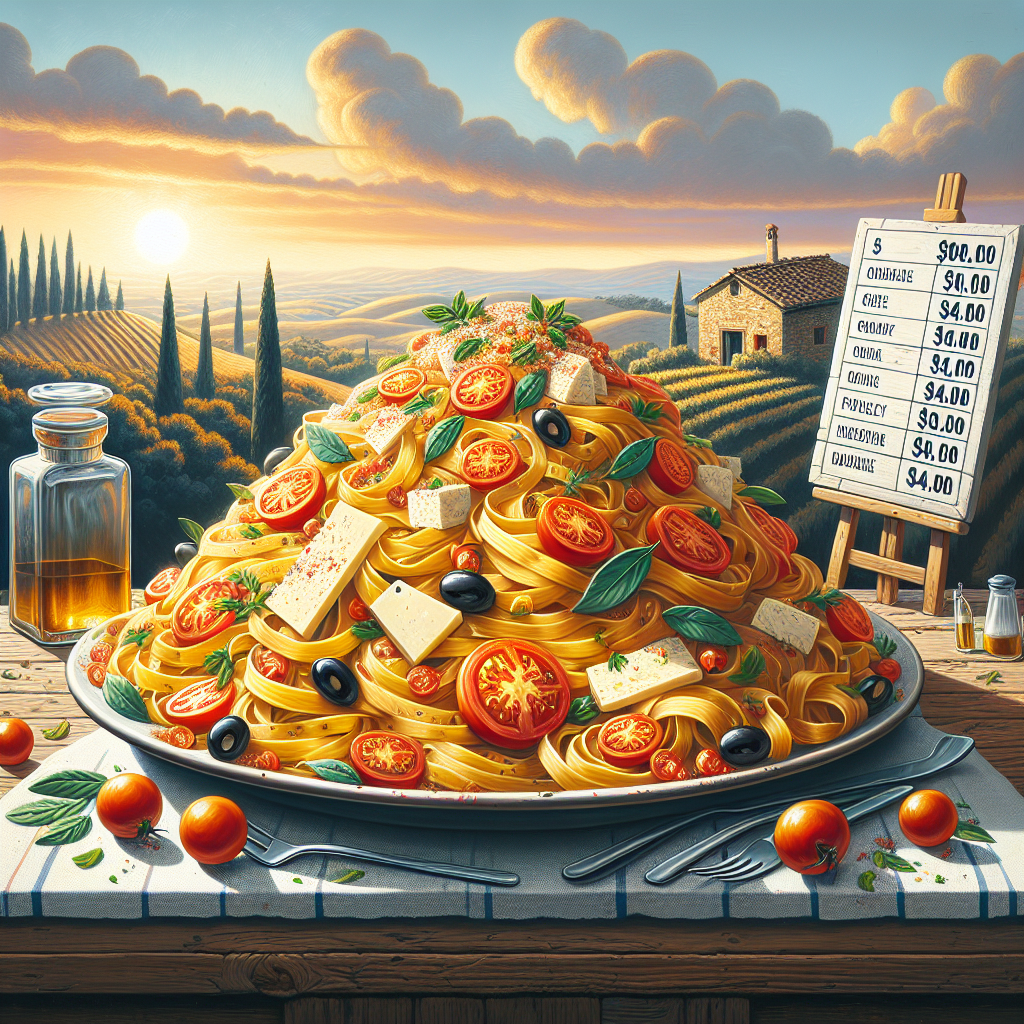
As the aroma of culinary delights wafts through kitchens across America, a looming challenge threatens to change the taste of tradition. Recent reports indicate that Italian pasta exports to the U.S. could be subjected to a staggering 107% tariff rate, effectively doubling prices and impacting both grocers and pasta lovers nationwide.
Context of the Tariffs
The proposed tariffs arise from ongoing trade disputes, leaving Italian producers scrambling to rethink their strategies. With pasta being a staple in many American households, concerns are mounting about how this could affect not only prices but also the availability of beloved varieties. Reports highlight that popular brands such as Barilla and De Cecco may see their costs soar, prompting a potential ripple effect on American grocers and consumers alike.
While this scenario unfolds, it’s intriguing to reflect on the implications it has on our daily lives. Consider, for a moment, the biblical principle found in Proverbs 20:23: "The LORD detests differing weights, and dishonest scales do not please him." This verse serves as a reminder of the importance of fairness and integrity in all transactions – a value that seems especially relevant in an age where economic disparities can leave many feeling marginalized.
The Rippling Effects of Proposed Tariffs
The ramifications of these tariffs extend beyond just the grocery aisle. Discussions are underway about how local businesses, particularly family-owned grocers, might navigate this sudden increase in costs. As these establishments are integral to community life, this financial strain raises questions about sustainability and fairness in our marketplace.
Additionally, with the anticipated increase in pasta prices, American consumers may be forced to adjust their culinary habits. How do we respond to rising costs while maintaining our family meals and cultural heritages? This challenge could invite us to innovate, exploring affordable alternatives that still uphold the spirit of shared meals.
A Broader Reflection
In these times of uncertainty concerning food prices and availability, a subtle yet powerful teaching echoes throughout the scriptures: the importance of community and support. Jesus demonstrated this profoundly through the sharing of bread and fish, turning scarcity into abundance through compassion and love. This biblical example emphasizes that even in the face of economic challenges, we can find ways to share, adapt, and uplift one another.
Conclusion
As we stand on the brink of potential changes in our grocery lists, it’s essential to lean into our values and support one another, much like early Christians did in Acts 2:44-45, where believers shared everything in common.
Let this moment inspire us to be more resourceful and community-oriented. As we navigate changing prices and tariffs, reflect on the broader lesson of unity, kindness, and the spirit of sharing that Jesus embodied. How we respond in this season can deepen our relationships and enrich our communities, reminding us that while pasta may soon come at a higher price, the love for our shared table remains priceless.
Explore and dig up answers yourself with our BGodInspired App. Be careful – each interaction is like a new treasure hunt… you can get lost for hours 🙂