 0
0
 0
0
Thiel’s Bold Claims in NYT Interview Spark Controversy: A Closer Look at Scientific Progress
In a striking interview published in the opinion section of The New York Times, columnist Ross Douthat engaged with venture capitalist and PayPal founder Peter Thiel, a prominent figure in the tech landscape and a vocal supporter of former President Trump. The conversation echoed through a variety of contentious topics, allowing Thiel the platform to champion his unconventional views, which often straddle the line between provocative and implausible.
A Palette of Controversy
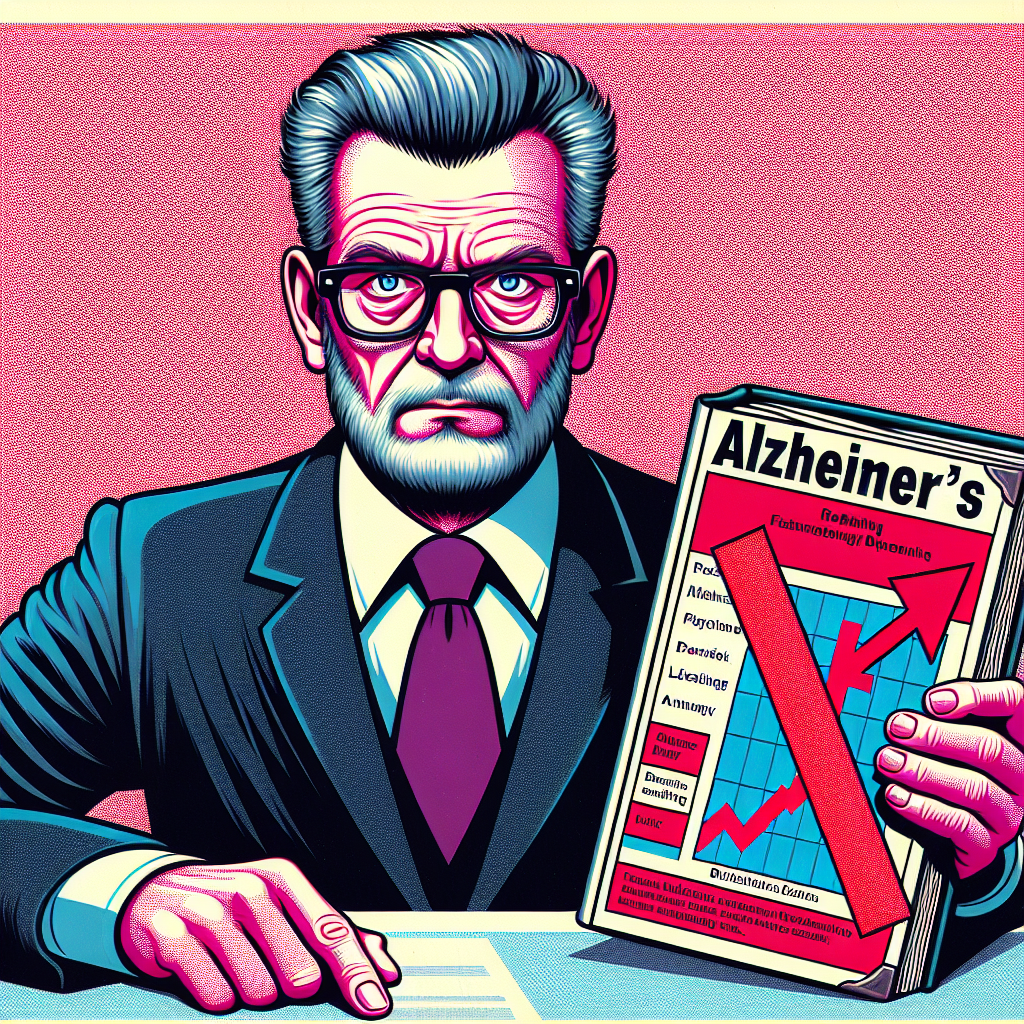
Among the myriad assertions Thiel made, he boldly claimed: "If we look at biotech, something like dementia, Alzheimer’s — we’ve made zero progress in 40 to 50 years." This sweeping statement ignited immediate backlash, particularly from experts like Professor Sterling Johnson from the University of Wisconsin, who countered that significant strides have indeed been made in Alzheimer’s research over the past two decades. Johnson emphasized, "What we’ve been able to do in the last 20 years has been actually pretty extraordinary," showcasing advancements in understanding the disease and developing potential treatments.
Such bold claims might draw attention, but they also evoke questions about the responsibility of public figures in discussing scientific matters. As Christians, we are reminded of the importance of truthfulness and wisdom in our discourse. Proverbs 18:13 states, "To answer before listening—that is folly and shame." In this light, Thiel’s remarks seem less like a quest for truth and more like rhetoric designed to provoke.
Context and Implications
As the conversation meandered through topics ranging from environmentalism to AI’s "wokeness," it became clear that Thiel’s assertions often leaned heavily on personal beliefs rather than consensus views backed by scientific evidence. For instance, he suggested that the leading ideological motivations behind significant global actions include everything from Islamic law to Chinese authoritarianism. Such sweeping generalizations, while attention-grabbing, may obscure the complexities of global issues and the diverse motivations behind them.
Moreover, Thiel’s views on biomedicine echo sentiments shared by other controversial figures, such as Robert F. Kennedy Jr., who argue against mainstream scientific research in favor of alternative narratives. This leads to a troubling environment where science and faith in progress can become enmeshed in personal agendas.
A Call to Reflect
In light of the claims made during the interview, it is vital for readers to approach such statements with a critical eye, striving to separate fact from opinion. The broader implications of this conversation challenge us to reflect on how narratives are shaped and the power they hold in influencing public thought and policy.
In navigating through misinformation, let’s remember the biblical principle that encourages discernment and truth-seeking. As Matthew 7:16 reminds us, “By their fruit, you will recognize them." Our pursuit of knowledge, whether in science or spirituality, should bear the fruit of wisdom and understanding.
Takeaway
As we digest the assertions made by influential figures like Thiel, let us remain steadfast in our commitment to seek out the truth and to encourage open, honest dialogue rooted in substantial evidence. Embracing curiosity and a thoughtful approach to complex issues allows us to engage better with the world around us, aligning our actions with values that promote understanding and love.
Explore and dig up answers yourself with our BGodInspired Bible Tools! Be careful – each interaction is like a new treasure hunt… you can get lost for hours 🙂