 0
0
 0
0
Study Reveals New Discoveries in MRI Analysis of Noise-Induced Hearing Loss Patients
Recent research conducted at Yantaishan Hospital has shed light on the implications of noise-induced hearing loss (NIHL) through advanced MRI analyses, paving the way for a deeper understanding of the condition and its psychological impact. The study adheres to China’s national occupational hygiene standards, focusing on a cohort of 66 male NIHL patients, all of Han nationality, alongside a matched group of 66 healthy controls.
The patients involved spanned a wide range of educational backgrounds and were selected based on stringent criteria — all exhibited normal mental states and were free of severe neuropsychiatric conditions. This careful selection process underlines the importance of ethical guidelines in medical research, including the necessity of informed consent, a principle echoed in biblical teachings about the inherent value of each human life (John 10:10).
Using IBM SPSS26 software to analyze data points such as anxiety levels and cognitive function, researchers found significant differences in Hamilton Anxiety Scale (HAMA) scores between NIHL patients and controls. This finding suggests a notable psychological distress related to hearing loss, which can compound the physical challenges faced by these individuals.
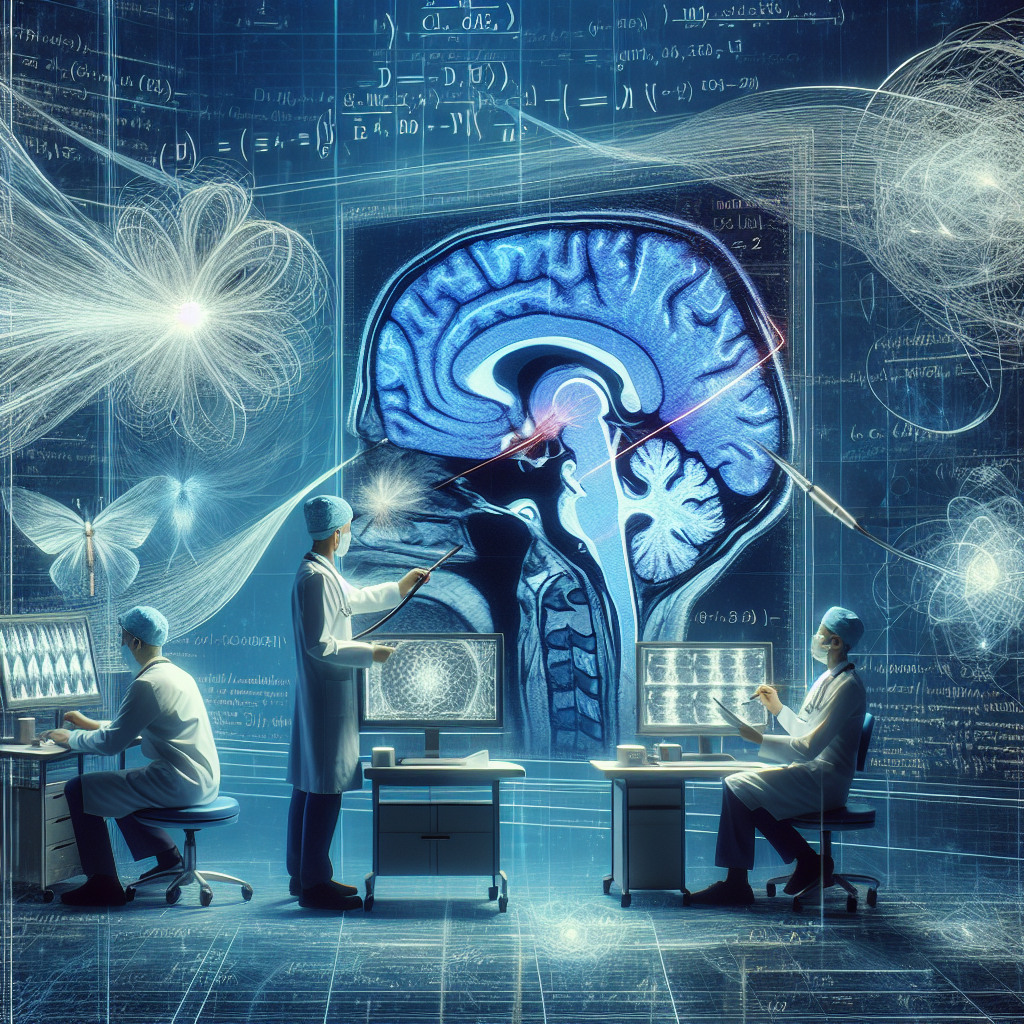
The research also utilized cutting-edge MRI technology, including GE Discovery MR 750 3.0 T scanners, to evaluate brain structure and function through parameters like amplitude of low-frequency fluctuation (ALFF) and gray matter volume (GMV). These high-resolution imaging techniques served not only to probe the physical ramifications of NIHL but also to explore the potential neural correlates of heightened anxiety and cognitive dysfunction associated with the condition.
In the words of Proverbs 18:15, "The heart of the discerning acquires knowledge; the ears of the wise seek it out." This study reflects that wisdom in understanding the multifaceted impacts of NIHL, combining both physical and mental health considerations. The alliance of rigorous data analysis with humanitarian concerns reveals a holistic approach to medical science that embodies the spirit of caring for one another.
As the researchers employed machine learning models, including support vector machines, logistic regression, and random forests, their work highlights a significant leap towards utilizing technology in improving diagnostics and treatment paths. Such innovations underscore a critical theme prevalent in the Bible: the pursuit of knowledge and the responsible stewardship of the gifts we have been given.
While the findings are promising, they also remind us of the fragility of human health. The reality of facing NIHL, intertwined with psychological challenges, calls for compassion and community support. As we engage with those impacted by such conditions, let us carry forward the biblical mandate to care for our neighbors, embodying the love and compassion that Jesus taught.
As we reflect on the insights revealed in this study, it serves not only as a call for advancement in medical research but also as a reminder of the deep connections between our physical health and our mental well-being.
For those navigating the challenges of hearing loss, let us extend the hand of friendship and support, fostering understanding and connection. May we all strive to bring light in times of darkness, echoing the encouragement found in Isaiah 41:10: “So do not fear, for I am with you; do not be dismayed, for I am your God."
Takeaway: The integration of advanced research methods in understanding health issues like NIHL exemplifies a commitment to knowledge and compassion. Reflect on how we can support those who are struggling, embracing the call to uplift one another, and ensuring that the lessons we learn through science aid in fostering community well-being.
Explore and dig up answers yourself with our BGodInspired Bible Tools! Be careful – each interaction is like a new treasure hunt… you can get lost for hours 🙂