 0
0
 0
0
Desperate Times: Gaza’s Humanitarian Crisis Deepens Amid Ongoing Conflict
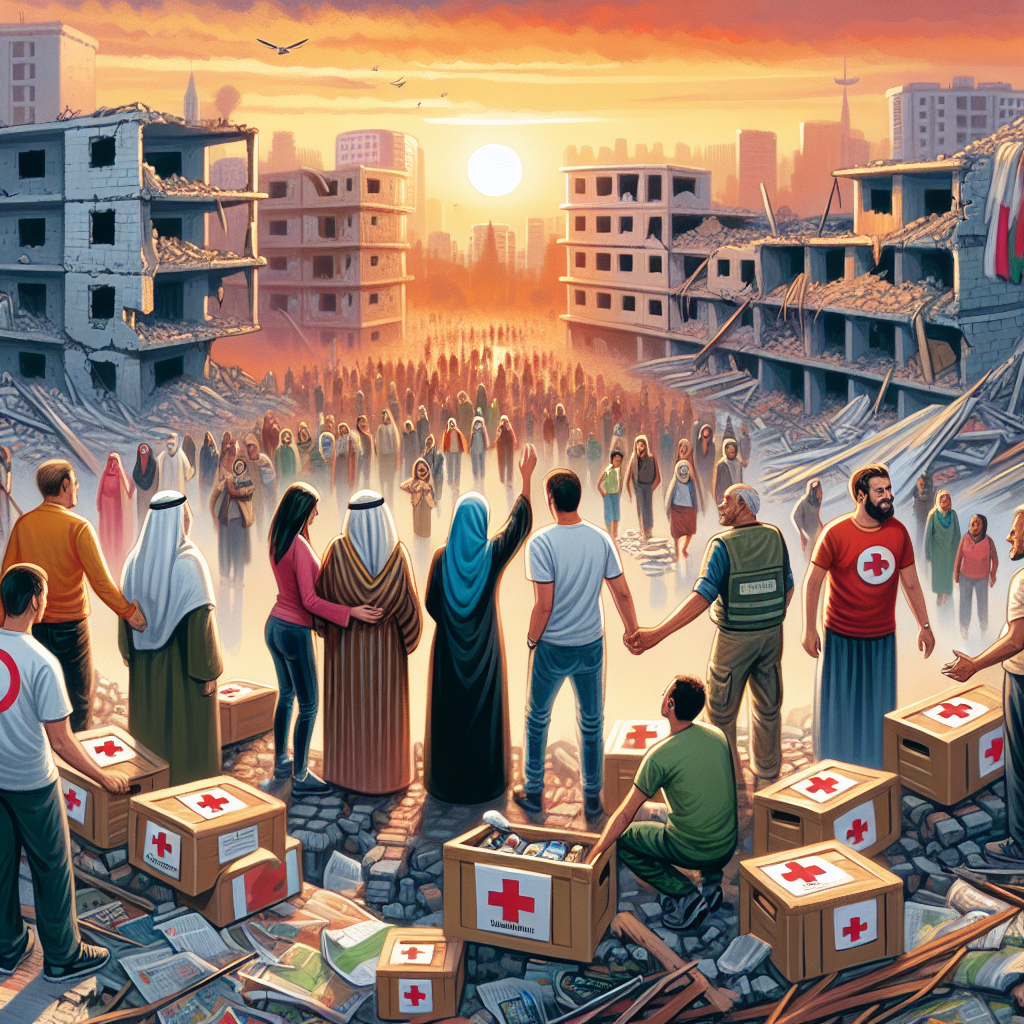
Deir al Balah, Gaza — Amidst relentless conflict, the people of Gaza are confronting an unimaginable humanitarian crisis. For many, the daily fight for survival has become a grim reality, characterized by dwindling supplies and inaccessibility of basic necessities. Fadia Nasser, a widow in Deir al Balah, survives on minimal sustenance, with her meals consisting of little more than a small sandwich of herbs and a shared tomato with her daughter. Eleven miles away, in a tent camp, Said Lulu struggles with kidney disease, lacking access to clean water necessary for his treatment.
The situation has escalated as international mediators attempt to broker a cease-fire between Israel and Hamas. However, the voices of the suffering are becoming increasingly urgent, highlighting a humanitarian catastrophe that transcends political divides. In southern Gaza, hospitals in Khan Younis report chilling cases of infants dying from cold exposure, while airstrikes instill fear in many, like Ola Moen in Beit Lahia, who scours pharmacies for medical supplies for her injured nephew.
In the 14 months since Israel’s military response to a Hamas-led attack, an estimated 90% of Gaza’s 2.1 million residents have been displaced, with their cities reduced to rubble. This winter, as temperatures drop, the United Nations warns that nearly 2 million are at risk of famine. Humanitarian organizations cite insufficient food relief and escalating prices, creating an environment where hunger is rampant.
Yaser Shaban, a civil servant, illustrates the grim reality. Living in a tent with his family, he relies on scarce humanitarian aid—mostly beans and lentils—as he struggles to afford basic food items. “I am not looking for delicious, healthy or luxury food,” he reflects, “The goal is to only beat hunger.” His plight demonstrates a broader truth: when basic survival is threatened, the human spirit seeks sustenance, not only physically but also spiritually, drawing on hope and resilience found in faith.
Tangible Needs: The Struggle for Water and Medicine
Access to clean water—a vital necessity—has become a daily trial. Lulu, now without a permanent home, depends on a central water supply that is often dubious in quality. Reports indicate that many residents have no option but to drink contaminated water, endangering their health further. Even as international observers call attention to the humanitarian situation, the Israeli government asserts its efforts to supply aid, yet many question the adequacy and distribution of this assistance.
“From where we are in Gaza,” says Georgios Petropoulos, a U.N. official, “it looks like the aid system has been weaponized.” As winter brings harsh conditions, the absence of accessible medication exacerbates the suffering. Many are forced to forgo treatment for chronic illnesses as hospitals struggle to function amid constant threats of violence.
A Glimmer of Humanity in Darkness
The dire situation in Gaza calls to mind the biblical teaching from Matthew 25:35-36 (NIV): “For I was hungry and you gave me something to eat, I was thirsty and you gave me something to drink, I was a stranger and you invited me in, I needed clothes and you clothed me, I was sick and you looked after me.” It reminds us of the Christian principle that underscores the importance of caring for the vulnerable and acting in compassion.
As the world watches Gaza struggle under the weight of war, natural disasters may not come in the form of storms, floods, or fires but in the silence of those left in need. There lies a call for empathy, prompting us collectively to explore actions that align with principles of love and solidarity, reflecting on how we can extend our compassion to the most affected.
A Call to Reflect and Act
As the cries for humanitarian assistance grow louder, they invite us all to heed the call of compassion exemplified by Jesus: caring for those who cannot care for themselves. The story of Gaza is not merely an account of suffering but a reminder for all of us to engage with the world with empathy and urgency, considering what we can do—or advocate for—to alleviate such profound human distress.
In these challenging times, may we reflect on how we can embody the principles of love, kindness, and generosity in our communities and beyond. After all, amidst despair, the light of hope and compassion continues to shine, inviting each of us to play a part in a larger narrative of healing and restoration.
Explore and dig up answers yourself with our BGodInspired Bible Tools! Be careful – each interaction is like a new treasure hunt… you can get lost for hours 🙂