 0
0
 0
0
Shifting Alliances: A New Middle East Order Emerges After Assad’s Downfall
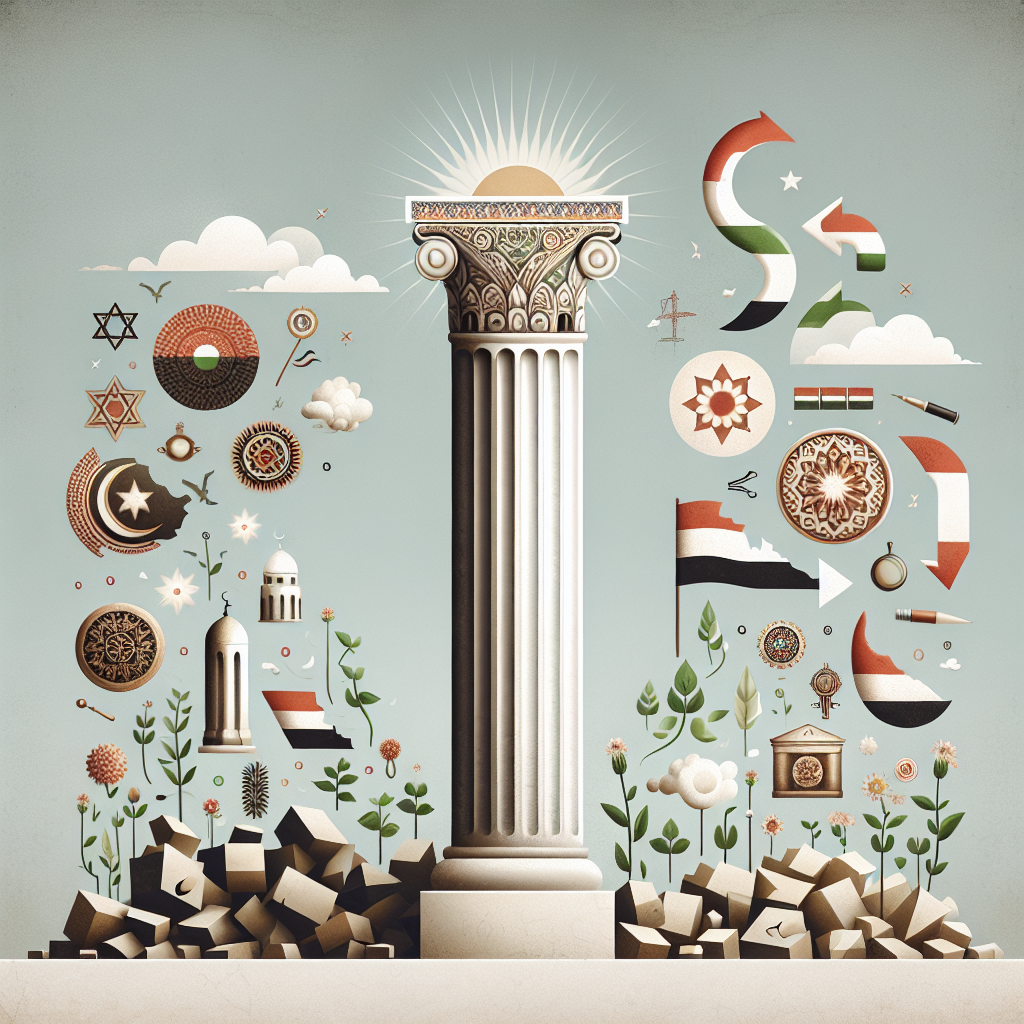
In the wake of Syrian President Bashar al-Assad’s fall, the geopolitical landscape of the Middle East is undergoing a seismic shift. As regional powers recalibrate alliances and assert their influence, analysts are predicting a new order that will reshape longstanding dynamics. Recent reports highlight escalating tensions between Israel and Turkey, a delicate balance being struck between Turkey and Russia over Syrian affairs, and how these changes could redefine Russian-Turkish relations in the years ahead.
As power players vie for prominence, The Washington Post’s column captures a critical truth: the fall of a regime often heralds not just the end of an era, but the dawn of another, filled with both peril and promise. The implications of this shift extend far beyond national borders, as nations realign themselves for potential conflicts and cooperation.
Israel finds itself in a precarious position as it battles over influence with Turkey, a nation that has rapidly emerged as a pivotal player in regional strategy. The Wall Street Journal outlines the intensifying rivalry, as both countries seek to bolster their standing amidst shifting allegiances. For Israel, navigating this complex web of relationships is crucial, especially in the face of a Turkey that may no longer be as predictable as before.
Meanwhile, the Associated Press reports on Turkey’s strategic maneuvers with Russia concerning Syria, emphasizing the delicate dance as these two former rivals explore mutual interests post-Assad. The implications for regional stability are significant, as alliances deepen and potential hostilities simmer beneath the surface. Whether this cooperation leads to conflict or a peaceful resolution remains to be seen.
Adding another layer of complexity, The Moscow Times discusses what regime change in Syria means for Russian-Turkish relations. As these nations attempt to negotiate their futures amid change, the idea of aligning against common enemies may override their historical animosities — a notion that echoes the biblical principle of seeking peace and understanding in times of discord.
With the balance of power shifting, The Guardian speaks to Turkey’s rising influence, portraying it as a "full moon" that casts light on new possibilities in the region. However, with such power also comes responsibility. As nations reassess their priorities, it is essential to remember the call to act with justice and mercy, values deeply rooted in biblical teachings.
Reflecting on these developments, one might think of Proverbs 11:14, “Where there is no guidance, a people falls; but in an abundance of counselors there is safety.” The current dynamics provide lessons on the importance of wise counsel and mutual respect in a world desperate for stability.
In conclusion, as the Middle East undergoes these transformative changes, the key takeaway is to consider how these new alliances can lead to greater peace rather than conflict. Just as light overcomes darkness, so too can the regions’ leaders aspire towards unity and reconciliation. Let us hope that through guidance and understanding, a brighter future may unfold, rooted in the enduring principles of compassion and collaboration.
Explore and dig up answers yourself with our BGodInspired Bible Tools! Be careful – each interaction is like a new treasure hunt… you can get lost for hours 🙂