
 0
 0
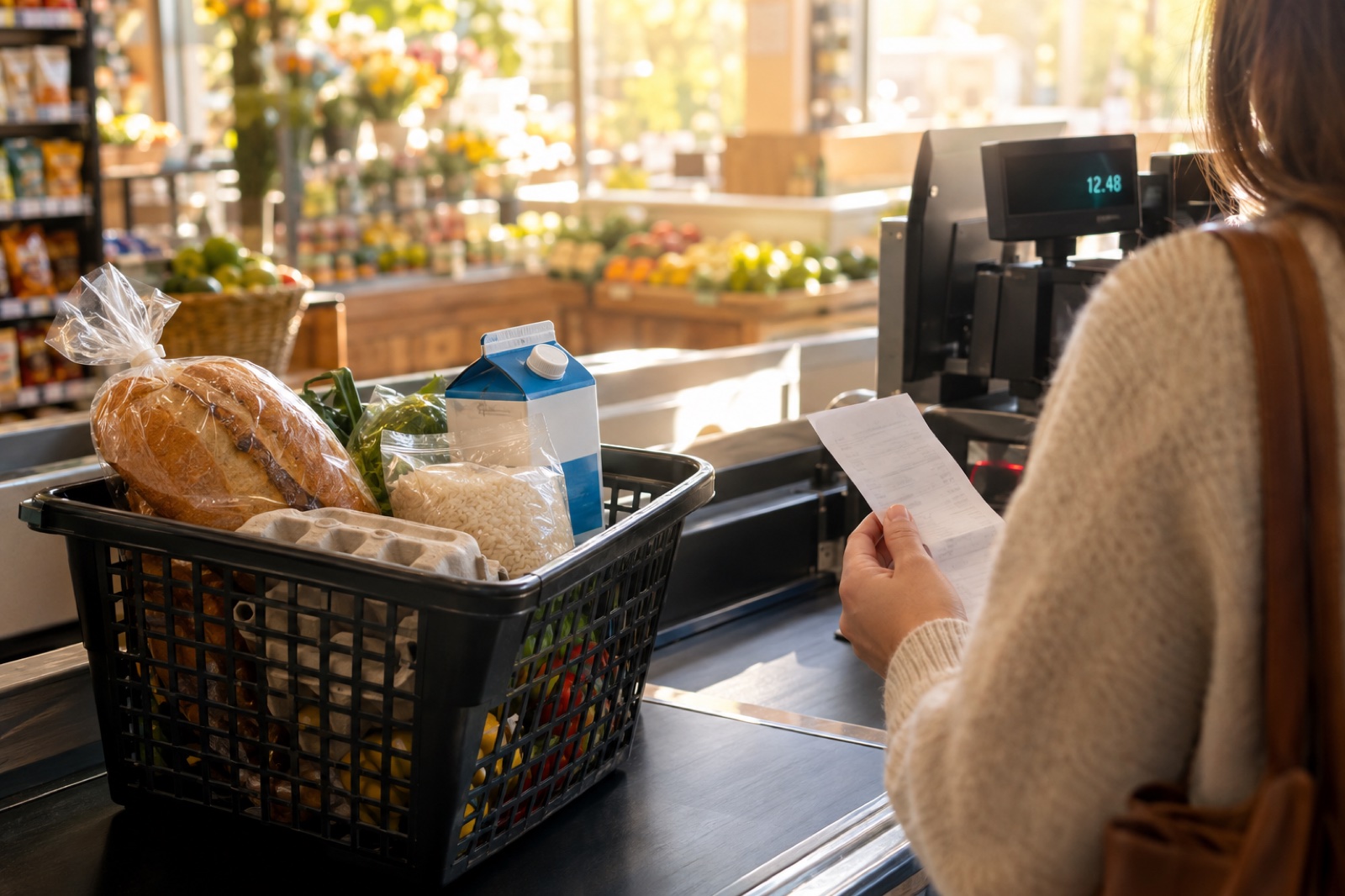
You are standing in the checkout line. The basket is on the belt. You are adding it up in your head, and the number is higher than last month. Again.
So you do what millions of people do. You pick up your phone and type the question: why is everything so expensive?
The answers you find are almost all charts. Lines going up. Lines going sideways. Percentages with decimal points. They are accurate, and they are not much help when you are holding a loaf of bread and deciding if it goes back on the shelf.
Why Is Everything So Expensive? The Short Answer
There is no single cause. Economists point to several things working together, and they disagree about how much each one matters. Here is the part most people agree on.
- Prices went up in steps, not in a smooth line. Food, rent, energy, insurance and repairs each rose on their own schedule, often for their own reasons.
- Costs get passed along. When a farmer, a trucker or a shop owner pays more for something, the next price in the chain usually rises too.
- Pay moves slower than prices. Wages tend to catch up after prices rise, not before. For a while, you are simply behind.
Inflation Slowing Is Not the Same as Prices Falling
This is the point that confuses almost everyone, and it explains why the news can say “inflation is cooling” while your receipt still hurts.
Inflation is a speed. It tells you how fast prices are rising. When it slows down, prices are still going up. They are just going up more gently. For prices to actually come back down, you would need the opposite, and that is rare outside of a few goods.
So two things can both be true. The headline can say things are improving. And your bill can still be much higher than it was a few years ago. Neither one is lying to you. They are measuring different things: the speed, and the level you are standing on. (The same thing happens with yearly pension raises, which we unpacked in what a 3.6% cost-of-living raise really means.)
Why the Average Number Never Matches Your Basket
Official inflation figures are an average across a huge basket of goods. Your basket is not the average. If most of your money goes to food, rent and transport, you can feel a much bigger squeeze than the headline number suggests. Someone who spends mostly on things that got cheaper might barely notice.
That gap is real. If your own bills feel worse than the news says, you are not imagining it. You are just buying a different basket.
What You Can Actually Do at the Checkout Line
None of this needs spare money or special tools. These work whether you shop in a big store or a street market.
- Write down your five most-bought items and their prices once a month. A tiny list shows you what is really moving, which is more useful than any national chart.
- Compare by weight, not by package. Packages shrink quietly. The price per kilogram or per litre does not hide.
- Trade down on one item, not everything. Pick the item where you would not notice the difference and leave the rest alone.
- Cook one more meal at home a week. It is usually the biggest single swing available to most households.
The Oldest Grocery Receipt Ever Quoted
Here is the part that surprised me while looking into this. People have been doing checkout math for as long as there have been markets, and some very old writing seems to know it.
Nearly two thousand years ago, someone wrote down a vision of a hard time. It is full of dramatic images, and most people who talk about it today go straight for the drama. What gets skipped is how plain one scene is. In the middle of the vision, a voice does not announce a disaster. It calls out prices.
The prices go roughly like this: a measure of wheat for a day’s pay, and three measures of barley for the same day’s pay. Scholars commonly read that “day’s pay” as the wage of an ordinary labourer, and the “measure” as about enough grain to feed one person for a day. If that reading is right, a whole day of work buys one person’s bread and nothing left over. Barley, the cheaper grain, stretches a little further, which is the kind of swap a person makes in a checkout line.
Then comes the detail that is easy to read past. The same voice adds a warning not to harm the oil and the wine. Those were the costly goods. In other words, the staples are squeezed while the luxuries are left alone. Many of us would recognise that pattern right now.
That is all it says. It does not hand you a chart or a forecast. It describes the price of bread and a worker doing the sums, and it treats that as something worth putting on the record. Bread has carried a lot of weight in old writing; we looked at one famous line about daily bread and the word nobody can define. Whatever else you make of it, there is something steadying in noticing that the ancient world did not look away from the grocery bill. Someone wrote it down, as if the weight of an ordinary day’s food mattered to something bigger than a market. That seems worth carrying out of the store with you: the arithmetic you do in the line is not beneath notice.
What to Take With You
Prices are not a verdict on you. They are the result of many hands moving at once, and your small, careful sums are real work. You can understand the squeeze without being flattened by it. And you are in very old company when you stand there counting.
If the worry keeps you up at night, this piece on worrying less may help. The bread still goes in the bag. Tonight’s meal is still on the table. That counts for something.
Discussion Question
Which one item has surprised you most at the checkout this year, and what did you do about it? Tell us in the comments. You do not need an expert answer, just yours.
Share This
“Inflation slowing doesn’t mean prices falling. It means they’re rising more gently. That’s why the news says ‘cooling’ and your receipt still hurts.”
“Someone wrote down the price of bread nearly 2,000 years ago, and it reads like a checkout line today. Your grocery math isn’t beneath notice.”
“Packages shrink quietly. Price per kilo doesn’t hide. Best free budgeting trick I know.”
Questions and Answers (Q&A)
Why is everything so expensive right now?
Prices rose in steps across food, housing, energy and services, costs were passed along supply chains, and wages usually catch up after prices rise rather than before. Economists disagree on how much each factor matters, so no single cause explains it.
If inflation is slowing, why are prices still high?
Inflation measures how fast prices rise, not their level. When inflation slows, prices still rise, only more gently. For the price level itself to fall, prices would have to decrease, which is uncommon for most goods.
Why does my cost of living feel worse than the official inflation number?
Official inflation is an average across a broad basket of goods. If your spending is concentrated on food, rent and transport, items that rose sharply for many households, your personal experience can be much harsher than the average.
How can I cut grocery costs without extra money or time?
Compare prices per kilogram or litre instead of per package, track your five most-bought items monthly, trade down on one item instead of everything, and cook one extra meal at home each week.
Is worrying about food prices something ancient writing addresses?
Yes. A text written nearly two thousand years ago includes a scene where a voice announces grain prices, with a day’s wage buying about a day’s bread. Scholars commonly read it as a picture of hardship stated in everyday grocery terms.



