 0
0
 0
0
A Moment on Trantor: Hari Seldon’s Sacrifice
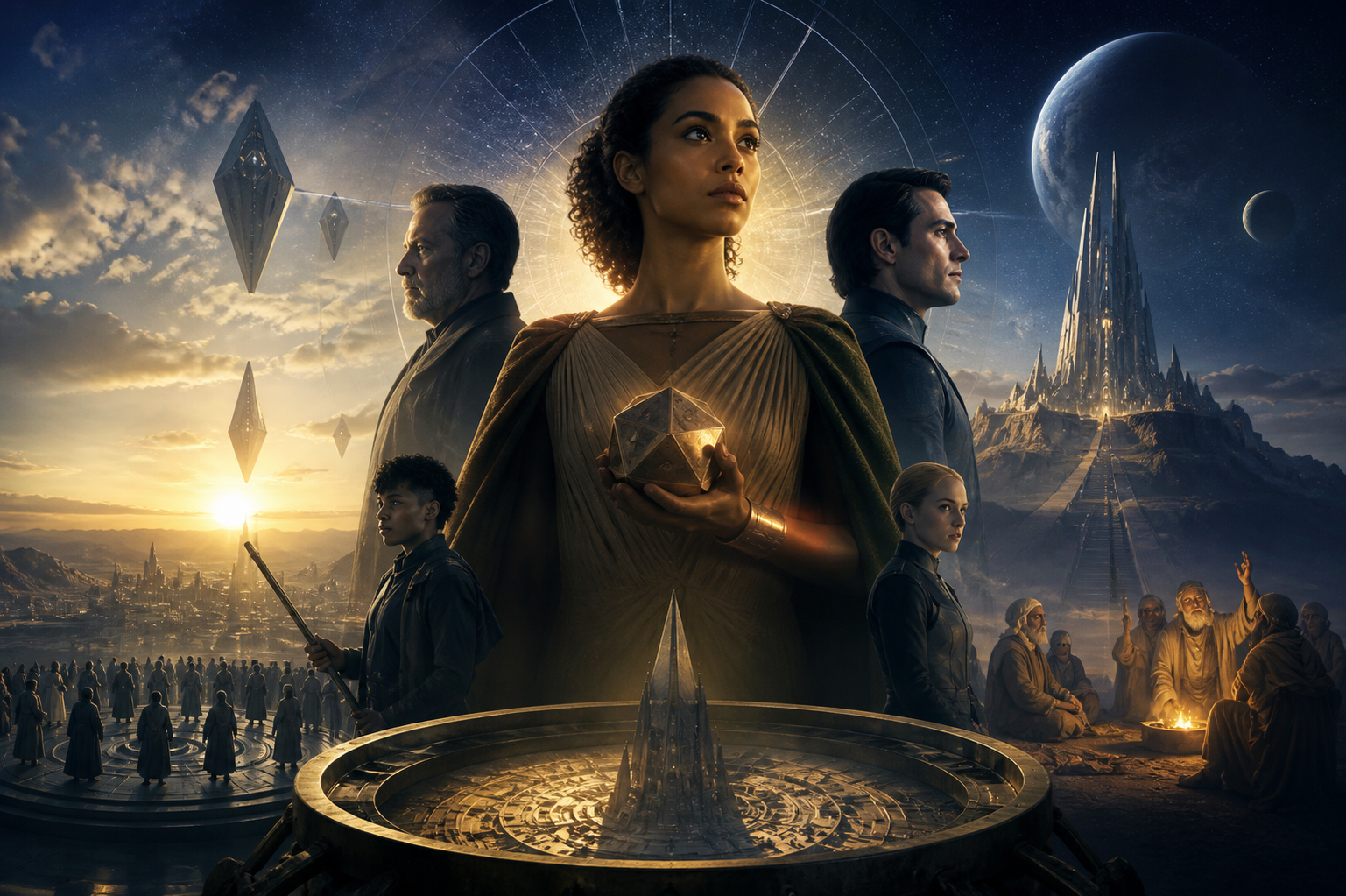
Remember that gripping scene on Trantor when Hari Seldon reveals his plan to Gaal Dornick? The sheer scale of his vision to save the future of humanity, sacrificing personal desires for a greater good, is both mind-bending and deeply moving. Hari’s resoluteness strikes a chord—captured in his quiet, unwavering dedication to a plan that most deem impossible. You might recall the look in his eyes as he balances certainty in his mathematical predictions with the risks involved. It’s a testament to his faith in a future he knows he won’t see but believes in nonetheless.
The Weight of Sacrificial Vision
At its core, this moment embodies a profound truth about the human condition: the tension between the known comfort of the present and the uncertain promise of the future. Hari carries the weight of his vision, revealing a willingness to bear the burden for the sake of others. It challenges us to consider the limits of personal sacrifice and the power of belief in a larger story than one’s individual life. The Foundation, albeit flawed, is about constructing hope when the world seems fractured. Hari becomes a symbol of faith and foresight—a steward of vision that transcends immediate reality.
For us, Hari becomes more than just a character; he’s a mirror reflecting our own fears and hopes when standing at crossroads requiring sacrificial choices. His journey is a call to wrestle with the question: what future am I building with each choice I make today?
When Vision Echoes Scripture
What really struck me was the unexpected connection between Hari’s vision and Hebrews 11:1—"Now faith is confidence in what we hope for and assurance about what we do not see." Hari’s actions bring this scripture to life. His belief in the Seldon Plan reflects a profound faith, akin to the biblical heroes who acted on promises unseen. Just as Hari trusts his plan to ensure the survival of humanity, Scripture invites us to consider the unseen work of faith in our own lives.
This isn’t just about drawing parallels; it’s about how Hari makes that biblical verse more vibrant. The challenge isn’t merely about having a plan but nurturing a faith that navigates life’s uncertainties, echoing the lives of those who walked in faith before us. Viewing Hari’s determination through this lens deepens our understanding of what it means to hold a vision with conviction despite the odds.
Bridging Two Worlds
So here we are—standing at a unique intersection where Foundation and Scripture start speaking to each other in surprising ways. It’s not about seeking flawless parallels; it’s about seeing Hari’s dedication enrich a biblical view of steadfast faith. Watching Hari, we aren’t merely entertained; we find ourselves invited into a deeper narrative that transcends both pages and screens.
Discussion Question
How does Hari’s sacrifice for a vision of the future challenge or affirm our understanding of faith as described in Hebrews 11:1? Let me know in the comments.
Social Share Post
Just had my mind opened by how Foundation’s Hari Seldon embodies faith from Hebrews 11:1. Who knew a sci-fi icon could reveal new dimensions of biblical truth? Check it out: [article URL] #Foundation #FaithAndSciFi
If positive Biblical wisdom matters to you, I’d love your support of the mission
Q&A about Foundation (2021-Present)
Is there any biblical theme in Foundation that Christians might relate to?
The concept of preservation and hope amidst chaos in "Foundation" can remind us of God’s promise to bring order and hope through His kingdom. As Jesus explains in Matthew 24:35, even though heaven and earth may pass away, His words will never pass away, emphasizing the enduring nature of God’s promises.
How can a Christian view the idea of Hari Seldon’s plan in Foundation?
Hari Seldon’s plan involves trust in a future hope, akin to the biblical teaching of faith in God’s plan for humanity. Jeremiah 29:11 assures us of God’s plan to prosper and not to harm, providing hope and a future, encouraging Christians to trust in divine providence.
Does Foundation depict themes similar to the biblical ideas of prophecy?
In "Foundation," the concept of psychohistory resembles biblical prophecy in its attempt to forecast future events. However, unlike human predictions, biblical prophecy, as shown through Jesus in the New Testament, is fulfilled according to God’s perfect will, as seen in John 14:29 where Jesus speaks of telling things before they happen so that we may believe.
How should Christians perceive the technological advancements in Foundation?
While "Foundation" showcases advanced technology, Christians are reminded of 1 Corinthians 10:31, which encourages using all things for the glory of God. As such, technological progress should align with ethical and moral standards that honor God’s creation and His purposes.