 0
0
 0
0
Scientists Discover Surprising New Mechanism for DNA Production
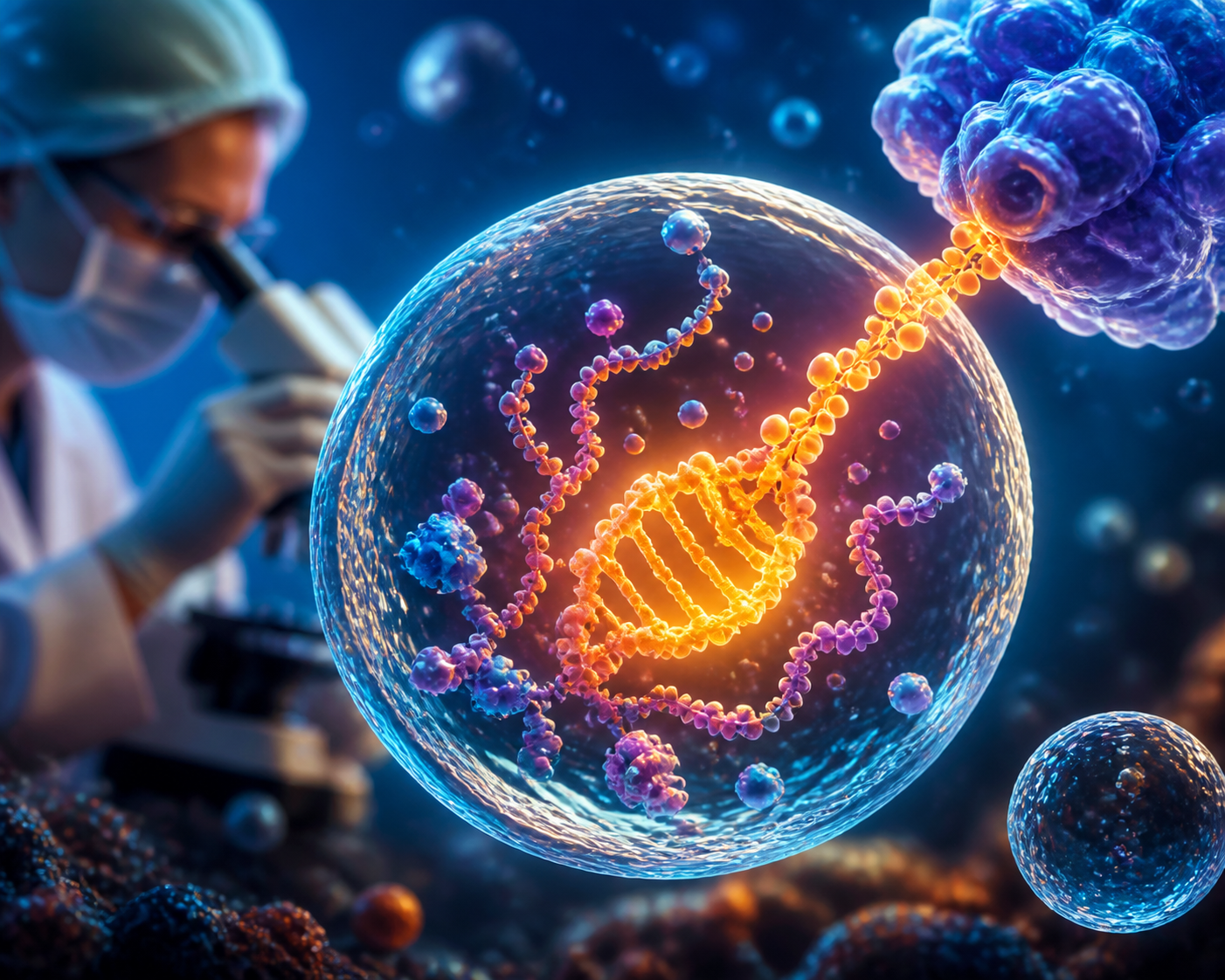
Recent research has unveiled a groundbreaking method by which a bacterium generates DNA, defying conventional biological understanding. Typically, DNA replication follows a straightforward process: DNA serves as its own template. However, scientists have discovered that in certain bacteria, such as Escherichia coli, a unique system allows proteins to play a pivotal role in DNA synthesis—essentially reversing the typical flow of biological information.
Traditionally, genetic information flows in a direct sequence, where DNA codes for RNA, which in turn instructs protein synthesis. This new study, published in the journal Cell, reveals that a protein can act as a template for creating specific DNA sequences. This phenomenon employs two distinct enzymes: one utilizes RNA as a template, while the other incorporates amino acids from the protein to determine which DNA building blocks are added.
A Unique Approach to Defense
This discovery is more than a scientific curiosity; it serves a crucial purpose in the bacterium’s defense against viruses. The newly synthesized DNA acts like a "booby trap," capturing and neutralizing viral intruders, albeit at the cost of the bacterium’s own growth. As noted by biochemist Samuel Sternberg of Columbia University, “The protein itself was specifying the sequence,” thereby reflecting an innovative step in evolution’s toolkit.
Yet, as we ponder this remarkable mechanism, there is a resonant lesson therein. Much like the wisdom found in Proverbs 3:5-6, which advises, “Trust in the Lord with all your heart and lean not on your own understanding; in all your ways submit to him, and he will make your paths straight,” the bacterium illustrates the beauty of relying on what seems unconventional for its survival. In a world often driven by logic and precedence, faith in the unseen can yield extraordinary results.
Encouragement Amidst Complexity
As ongoing research unfolds, it may very well be that this discovery is just a glimpse into a more complex world of enzymatic functions within bacterial defense systems. It raises intriguing questions about the nature of creation and the interconnectedness of life forms, highlighting that even in the microscopic, there exists a vast frontier of understanding.
In reflecting on this, we are invited to appreciate the subtle intricacies of life and the divine artistry at play in nature. As we seek our own paths, let us remember that sometimes the right direction may not be the most obvious one. Embracing curiosity and faith, we open ourselves to new possibilities.
Takeaway
As you navigate challenges in life, consider the wisdom in looking beyond traditional pathways. Whether in science, faith, or personal growth, sometimes the unexpected methods can pave the way for profound solutions. Let this discovery inspire us to be open to new lessons, trusting that there is an extraordinary Creator at work in all things.
If you want to want to know more about this topic, check out BGodInspired.com or check out specific products/content we’ve created to answer the question at BGodInspired Solutions
If positive Biblical wisdom matters to you, I’d love your support of the mission
Q&A about
How can life create DNA without DNA—doesn’t that contradict my faith?
This discovery may seem perplexing, but it doesn’t contradict faith; rather, it highlights the mystery and creativity of God’s creation. Just as Jesus speaks of how God makes the lilies of the field grow (Matthew 6:28-30), we can see that life is intricately designed in ways we are still discovering, revealing God’s limitless wisdom.
Does this finding mean we need to rethink evolution and creation?
The new way life can create DNA serves to deepen our understanding of God’s creation rather than undermine it. In Romans 1:20, Paul tells us that God’s invisible qualities are evident in creation, and scientific discoveries can complement our faith, helping us appreciate the wonder of God’s works.
What does this mean for how I view science and my faith?
It reminds us that faith and science can coexist harmoniously. Jesus encouraged us to seek truth and wisdom, as seen in Luke 11:9, indicating that exploring the world He created can lead us closer to Him, enriching both our spiritual and intellectual lives.
How does this discovery align with my belief in God as the creator?
This finding emphasizes God’s sovereignty and the complexity of life He has designed. In Colossians 1:16-17, we see that all things were created through Him and for Him, reinforcing that every scientific breakthrough can ultimately point us back to the Creator who encompasses all knowledge and understanding.