Spiritual Devotional about Prayer
Title: Ignite Your Spirit: The Transformative Power of Prayer
Hello, dear spiritual companions! 🌟
Today, let’s dive into a practice that is both ancient and ever-relevant: prayer. In a world bustling with noise and filled with distractions, prayer acts as a sacred haven, a refuge where our souls can pause and refresh. It is a beautiful dance between the heart and the divine, where we exchange our burdens for peace, uncertainty for clarity, and silence for the whisper of God’s voice.
The Bridge to Divine Connection
Prayer is more than uttering words; it is the bridge that connects our human nature with the divine essence of God. It transcends the mundane to embrace the miraculous. In Jeremiah 29:12, we find God’s promise, "Then you will call on me and come and pray to me, and I will listen to you." This scripture serves as a profound reminder that our prayers are heard, cherished, and answered in divine timing and wisdom.
A Channel for Gratitude and Growth
As we begin to see prayer as an ongoing conversation with God, it opens up a channel for gratitude and spiritual growth. In Philippians 4:6-7, we are encouraged: "Do not be anxious about anything, but in every situation, by prayer and petition, with thanksgiving, present your requests to God. And the peace of God, which transcends all understanding, will guard your hearts and your minds in Christ Jesus." This passage invites us to approach prayer with thankfulness, transforming worries into opportunities for trust and deeper faith.
Prayer as a Transformative Tool
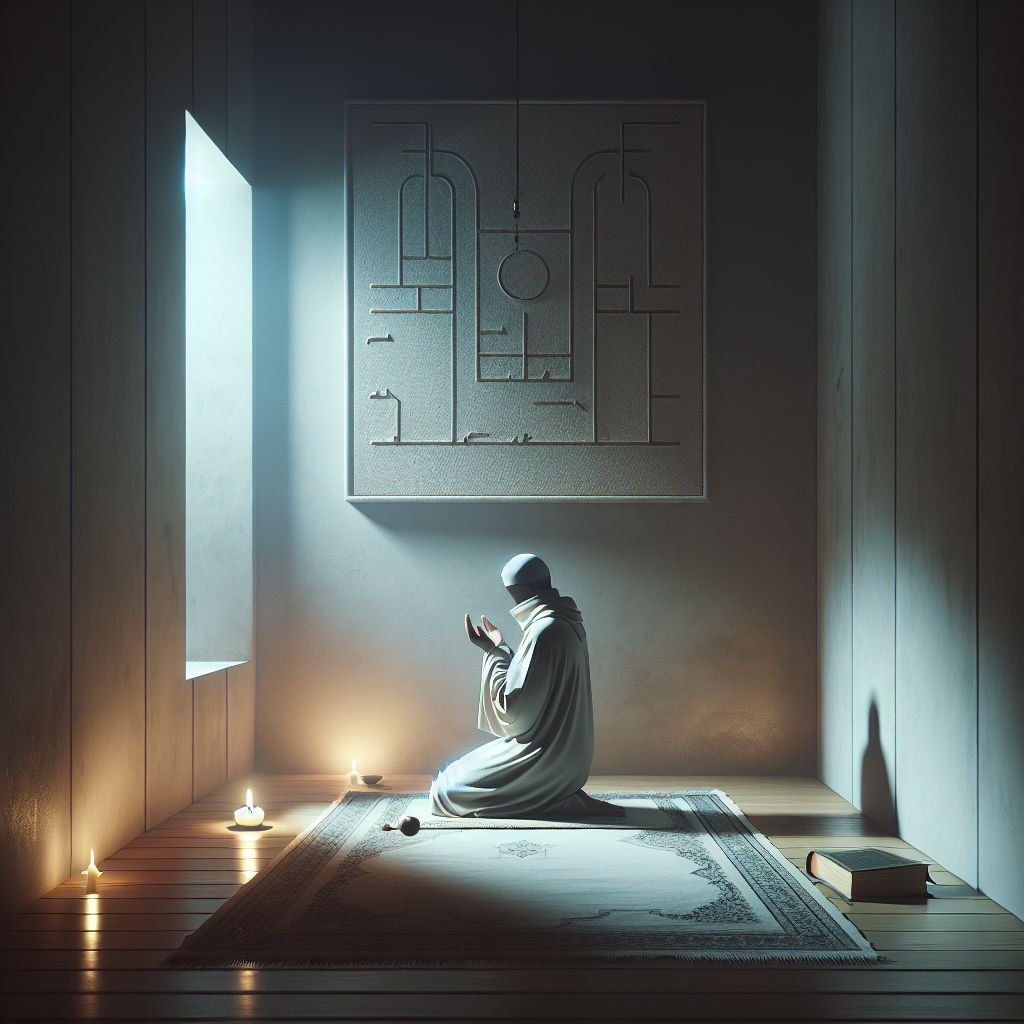
Friends, prayer is not just about asking; it is also about listening. It transforms us from the inside out. As we spend time in prayer, we begin to align our will with God’s will. Our desires, actions, and motivations become infused with divine purpose. Matthew 6:6 illustrates this personal connection: "But when you pray, go into your room, close the door and pray to your Father, who is unseen. Then your Father, who sees what is done in secret, will reward you." What a powerful affirmation of the personal transformation and rewards that come from private communion with God!
Embrace the Joy of Continuous Prayer
Prayer is an ongoing journey, not a destination. The Apostle Paul encourages us to "pray without ceasing" (1 Thessalonians 5:17). This doesn’t mean retreating to a quiet place and neglecting daily life, but rather inviting God into every moment of our day. Whether we’re celebrating victories or navigating challenges, each breath can become a prayer, a sweet offering of continuous connection to our Creator.
Let Your Heart Sing with Prayer
Dear ones, let your heart be light and buoyant with the practice of prayer. Allow each prayerful moment to illuminate your path, enrich your faith, and spread hope to others. As you make prayer an integral part of your life, you will undoubtedly experience the divine embrace of God’s love and guidance.
May your prayer journey be filled with discovery, joy, and divine connection, today and always. Keep reaching out, for you are never alone in your spiritual walk. God is listening, and He delights in your voice.
Blessings and light,
[Your Name]
Explore and dig up answers yourself with our BGodInspired Bible Tools! Be careful – each interaction is like a new treasure hunt… you can get lost for hours 🙂
Q&A about Prayer
Sure, here is a Q&A based on the concept and practice of prayer:
Q1: What is prayer?
A1: Prayer is a spiritual practice that involves communicating with a higher power, deity, or the universe. It often encompasses words of gratitude, requests for assistance or guidance, expressions of faith, or the sharing of thoughts and emotions. The form and intent of prayer can vary significantly across different religions and spiritual beliefs.
Q2: Why do people pray?
A2: People pray for a variety of reasons, including seeking comfort during difficult times, expressing gratitude, asking for help or guidance, finding peace and focus, connecting with a higher power or the divine, and seeking forgiveness. Prayer is also used in many traditions as a way to meditate or find inner tranquility.
Q3: How is prayer practiced in different religions?
A3: Prayer practices differ widely among religions:
-
Christianity: Prayer may involve reciting formal prayers, such as the Lord’s Prayer, or spontaneous personal prayer. It can be done individually or in groups.
-
Islam: Muslims perform Salat, the ritual prayer, five times a day facing Mecca. The prayers include specific physical positions and recitations.
-
Judaism: Traditional Jewish prayer includes reciting prayers from the Siddur at set times of the day, including Shacharit, Mincha, and Ma’ariv.
-
Hinduism: Prayer can include mantras, devotional songs, and offerings. It is a deeply personal practice and can be conducted at home or in temples.
-
Buddhism: Prayer often includes chanting mantras and can be part of meditation. It is focused on developing qualities like compassion and wisdom rather than directly communicating with a deity.
Q4: Can prayer have psychological benefits?
A4: Yes, prayer can have psychological benefits. It can provide a sense of peace, reduce stress, and offer a feeling of connection or support. Some studies suggest that prayer can contribute to improved emotional well-being, increased resilience, and greater life satisfaction. However, the effects can vary based on individual beliefs and contexts.
Q5: What are some common types of prayer?
A5: Common types of prayer include:
-
Adoration: Praising a deity for their greatness.
-
Confession: Admitting and seeking forgiveness for wrongdoings.
-
Thanksgiving: Expressing gratitude for blessings and gifts.
-
Supplication: Asking for needs, desires, or help.
-
Intercession: Praying on behalf of others.
Q6: How can someone start a personal practice of prayer?
A6: To start a personal practice of prayer, one can:
- Choose a quiet, comfortable space.
- Determine a regular time, like morning or bedtime.
- Decide on a format, whether spontaneous or structured.
- Focus on being sincere and present in the moment.
- Explore different types of prayers to find what resonates.
It is important to remember that prayer is a deeply personal practice, so it can be adapted to fit the individual’s beliefs and needs.