 0
0
 0
0
Spiritual Devotional about Spiritual Pilgrimages
Embarking on a Sacred Journey: The Beauty of Spiritual Pilgrimages
Greetings, beloved!
Have you ever felt a divine longing deep within your heart, a calling to step out of the ordinary and into a sacred path? If so, you might be hearing the whispered invitation of the Holy Spirit, beckoning you toward a spiritual pilgrimage. Today, let’s embark together on a journey to explore the profound blessings and transformative power of spiritual pilgrimages, tied beautifully with the timeless wisdom of Scripture.
Understanding Spiritual Pilgrimages
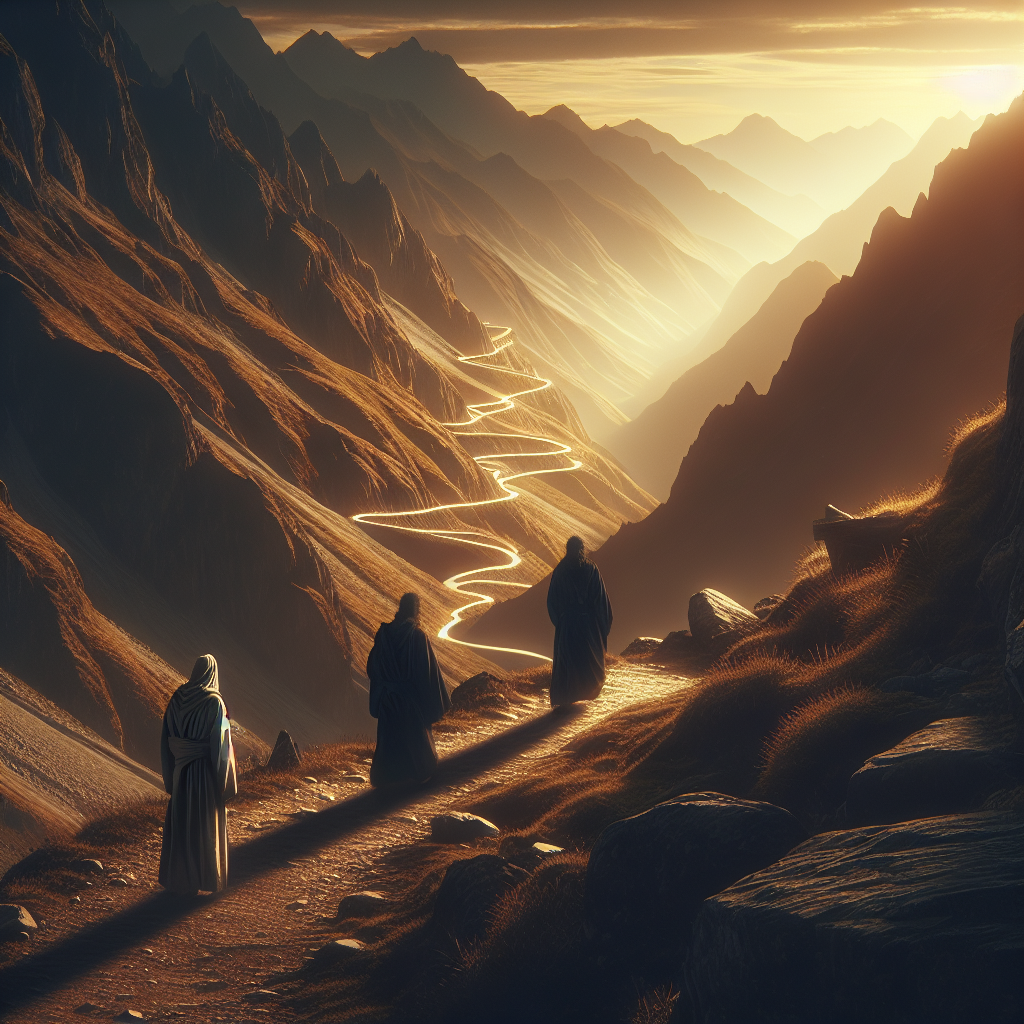
A spiritual pilgrimage is much more than a physical journey; it’s a sacred voyage of the soul, a quest for deeper connection with God, and an opportunity for profound personal transformation. This journey can take you to holy sites rich in history and faith, or it can be a metaphorical path walked in the spirit, through prayer, meditation, and reflection.
Biblical Roots of Pilgrimages
Throughout the Bible, we find numerous examples of pilgrimages that were pivotal in the lives of God’s people. One of the most notable pilgrimages was made by Abraham. Directed by God to leave his homeland and travel to a place unknown (Genesis 12:1), Abraham’s journey was both physical and spiritual, requiring immense faith and trust in God’s promises.
Similarly, the Israelites’ exodus from Egypt to the Promised Land was a pilgrimage that tested their faith and reliance on God, reshaping their identity as His chosen people (Exodus 13-14). And let’s not forget the ultimate pilgrimage recounted in the Gospels – the journey of Jesus to Jerusalem, leading to His purpose fulfilled through His death and resurrection. Jesus Himself embarked on this final pilgrimage with resolve and obedience to the Father’s will (Luke 9:51).
The Profound Impact of a Spiritual Pilgrimage
When we embark on our own sacred journeys, we echo these biblical examples. Here are a few ways a spiritual pilgrimage can enrich your faith and life:
-
Deepened Connection with God: Just as Jesus often withdrew to solitary places to pray (Luke 5:16), spiritual pilgrimages can create a space for undistracted communion with God. These moments away from the noise of daily life can foster profound intimacy with our Creator.
-
Spiritual Renewal and Transformation: Pilgrimages often involve a journey inward as much as outward. Reflecting on God’s faithfulness, repenting of sins, and seeking His guidance can lead to significant personal growth and renewal. Romans 12:2 reminds us to be transformed by the renewing of our minds, and pilgrimages offer a unique context for this transformation.
-
Biblical Encounters Come to Life: Visiting holy sites, such as Jerusalem, Nazareth, or the Jordan River, can bring the Bible to life in a tangible way. Standing where great biblical events unfolded can deepen your understanding of Scripture and strengthen your faith.
-
Community and Fellowship: Many pilgrimages are undertaken in the company of fellow believers, creating opportunities for fellowship and mutual encouragement. Hebrews 10:24-25 emphasizes the importance of spurring one another on toward love and good deeds and not giving up meeting together. Traveling together on a holy journey can knit hearts together in a powerful tapestry of faith and fellowship.
Embarking on Your Pilgrimage
Whether you’re traveling to a distant holy land or finding a quiet retreat closer to home, I encourage you to listen to the gentle promptings of the Holy Spirit. Prepare your heart through prayer, seek God’s guidance, and trust that the journey He invites you on is filled with promise and purpose.
Remember, beloved, that a pilgrimage is as much about the journey as it is about the destination. Every step taken in faith echoes with the footsteps of countless saints who have walked before us.
May your pilgrimage be a path paved with divine encounters, spiritual revelations, and the sweet, abiding presence of our Lord. Embrace the journey, for God has amazing plans in store for you!
Blessings on your sacred journey,
[Your Name]
Explore and dig up answers yourself with our BGodInspired Bible Tools! Be careful – each interaction is like a new treasure hunt… you can get lost for hours 🙂
Q&A about Spiritual Pilgrimages
Sure, here is a set of questions and answers about spiritual pilgrimages that could be useful:
Q1: What is a spiritual pilgrimage?
A1: A spiritual pilgrimage is a journey undertaken with a purpose of spiritual growth, renewal, or devotion. Often, this involves traveling to a sacred site or engaging in a series of rituals or practices aimed at connecting with the divine, seeking guidance, or achieving inner transformation.
Q2: What are some common destinations for spiritual pilgrimages?
A2: Common destinations include:
- Santiago de Compostela in Spain (Camino de Santiago)
- Varanasi in India (Hindu pilgrimage)
- Mecca in Saudi Arabia (Hajj for Muslims)
- Jerusalem in Israel (Christian, Jewish, and Muslim pilgrimages)
- Lourdes in France (Catholic pilgrimage)
- Bodh Gaya in India (Buddhist pilgrimage)
Q3: What are some of the reasons people embark on spiritual pilgrimages?
A3: Reasons include seeking spiritual enlightenment, fulfilling religious obligations, healing, seeking blessings, gaining a deeper understanding of faith, personal transformation, and sometimes simply the need to disconnect from the routine of daily life and reconnect with one’s spirituality.
Q4: How should one prepare for a spiritual pilgrimage?
A4: Preparation can involve:
- Spiritual preparation: Meditation, prayer, fasting, or studying religious texts.
- Physical preparation: Ensuring physical fitness if the journey involves long walks or demanding activities.
- Logistical preparation: Securing permits, booking accommodations, and understanding travel guidelines.
- Emotional and mental preparation: Setting intentions, mental readiness for challenges, and open-mindedness to new experiences.
Q5: Can non-religious people go on spiritual pilgrimages?
A5: Yes, non-religious people often embark on pilgrimages for various reasons such as personal growth, historical interest, cultural exploration, or a desire for solitude and mindfulness.
Q6: How do spiritual pilgrimages differ from other forms of travel?
A6: Unlike regular tourism, spiritual pilgrimages are imbued with intention, reflection, and devotion. They are not just about visiting places but also about experiencing personal and spiritual transformation. The journey itself is often considered as important as the destination.
Q7: Are there any modern trends in spiritual pilgrimages?
A7: Modern trends include eco-pilgrimages focusing on environmental spirituality, digital pilgrimages where people use virtual reality to visit sacred places, personalized pilgrimages tailored to individual spiritual paths, and wellness pilgrimages that combine physical health practices with spiritual activities.
Q8: What are some challenges faced during spiritual pilgrimages?
A8: Challenges can include:
- Physical hardships such as long walks, adverse weather, or limited accommodations.
- Emotional and mental challenges such as facing one’s inner fears or emotional blockages.
- Logistical issues like navigating unfamiliar places, language barriers, or health concerns.
Q9: What are the benefits of completing a spiritual pilgrimage?
A9: Benefits include:
- Spiritual growth and deeper connection with one’s faith or higher self.
- Personal transformation and a sense of accomplishment.
- Physical benefits from the physical activity involved.
- Emotional healing and clarity.
- Building a sense of community with fellow pilgrims.
Q10: Can children participate in spiritual pilgrimages?
A10: Yes, children can participate, though the suitability depends on the pilgrimage’s requirements. Families with children often choose shorter, less demanding routes or pilgrimages that are more accommodating to young ones. Preparing appropriately and ensuring the child understands the journey’s purpose is essential.
Feel free to use this Q&A format for educational content on spiritual pilgrimages or to adapt it for personal use!