
 0
0
 0
0
Spiritual Devotional about Rituals of Passage
Rituals of Passage: Embracing Transitions with Faith
Life is an extraordinary journey, a series of chapters bound together by moments that define and refine us. As we traverse through this journey, we encounter milestones—rites of passage that carry deep spiritual significance. These moments, whether they are joyful celebrations or solemn transitions, offer us a unique opportunity to deepen our faith and align ourselves with God’s purpose.
Embracing Change with Grace
The Bible is replete with stories of transformation and transition. Consider the Israelites’ exodus from Egypt—a collective rite of passage that not only symbolized physical liberation but also spiritual awakening. As they journeyed through the desert, they were transformed, learning to rely more on God and His promises. Similarly, our own rites of passage, whether graduation, marriage, or other transitions, can be times of spiritual renewal.
Embrace these moments with grace, trusting in God’s plan. As Solomon wisely observed in Ecclesiastes 3:1, “For everything, there is a season, and a time for every matter under heaven.” Each phase in our lives is divinely appointed, and recognizing this helps us navigate changes with peace and assurance.
Ancient Rituals, Timeless Lessons
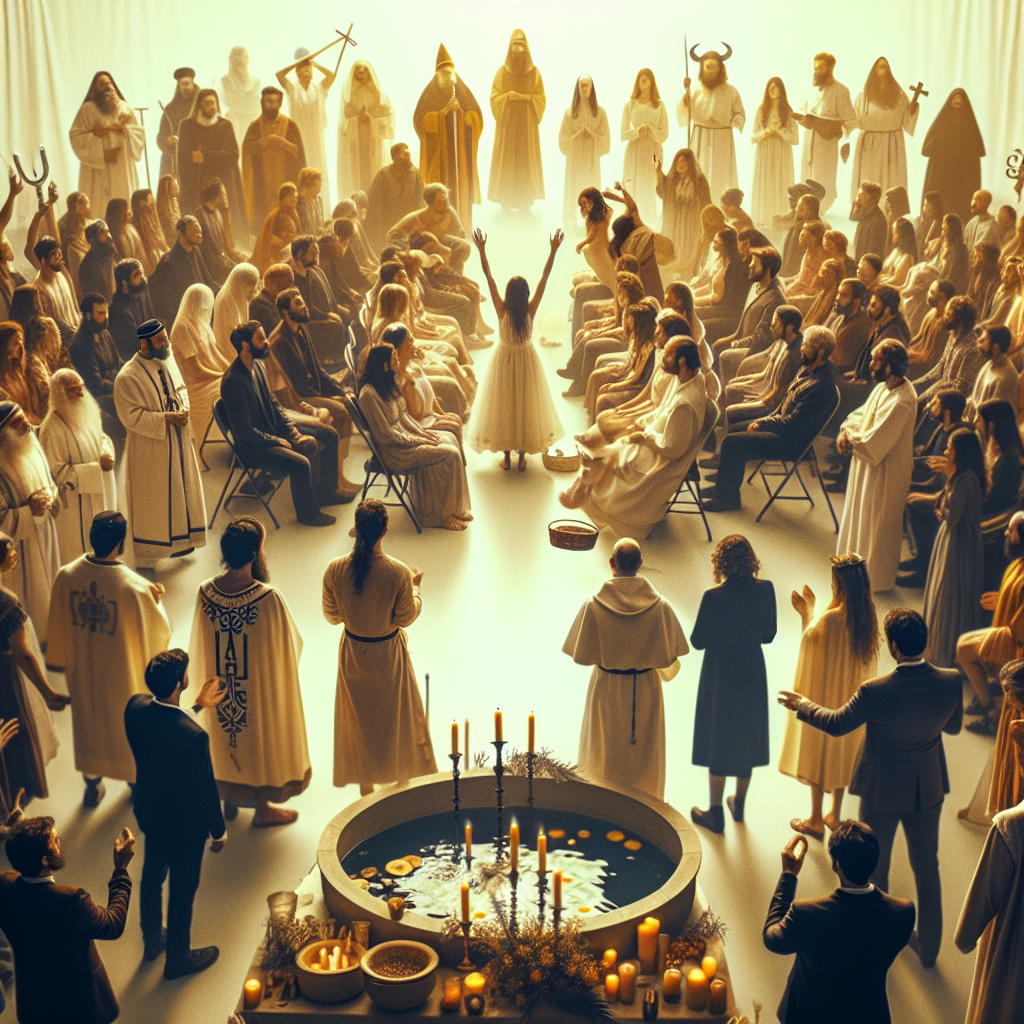
In Biblical times, rituals were pivotal. Baptism is one such sacred ritual that symbolizes rebirth and initiation into a new identity in Christ. It is a profound reminder of God’s love and our commitment to Him. Whether it’s a christening, communion, or confirmation, these sacred acts ground us, helping us reconnect with our spiritual roots.
Rituals of passage remind us to pause, reflect, and recalibrate. They’re our opportunity to step back, acknowledge our growth, and renew our vows to live out the values we hold dear. In Mark 1:9-11, we see God declaring His approval as Jesus is baptized—“You are my beloved Son; with you, I am well pleased.” Similarly, our own transitions can be moments of divine affirmation.
A Community in Celebration
Rites of passage bring us together. They are times when families and communities unite in support, joy, and love. Hebrews 10:24-25 encourages us, saying, “And let us consider how we may spur one another on toward love and good deeds, not giving up meeting together.” These sacred gatherings reinforce our collective identity and fortify our shared faith.
We are reminded of the strength found in community—knowing we are not alone in our journey. As we support each other through life’s changes, we reflect God’s love and unity.
Encouraged for the Journey Ahead
As you stand on the cusp of any life transition, know that it is more than a mere change in circumstances. It is a divine invitation to grow closer to God, to embrace His work within us, and to celebrate His presence in our lives. Take these moments to express gratitude, seek guidance, and celebrate with joy.
Remember, every ending is a prelude to a new beginning. With faith as our guide, let us step forward into the future with courage and hope. Trust in the One who orchestrates our life’s symphony and find peace in the knowledge that each passage, each ritual, enriches the tapestry of our spiritual journey.
May you be inspired and encouraged, knowing that your life is an unfolding masterpiece, lovingly held in God’s hands.
Blessings on your journey, dear friends! ✨🌿
If you want to want to know more about this topic, check out BGodInspired.com or check out specific products/content we’ve created to answer the question at BGodInspired Solutions
Q&A about Rituals of Passage
Certainly! Here’s a Q&A based on rituals of passage:
Q: What are rituals of passage?
A: Rituals of passage are ceremonies or events that mark an individual’s transition from one stage of life to another, such as birth, puberty, marriage, and death.
Q: What is the purpose of a passage ritual?
A: These rituals serve to acknowledge and celebrate significant life changes, providing structure and meaning to life’s transitions. They often reinforce community bonds and cultural identity.
Q: Can you give an example of a ritual of passage?
A: A Bar or Bat Mitzvah in Jewish culture marks the transition from childhood to adulthood at ages 13 or 12, respectively.
Q: How do rituals of passage differ across cultures?
A: Different cultures have unique practices, symbols, and ceremonies specific to their beliefs and traditions. For instance, while some cultures practice quinceañeras, others have coming-of-age ceremonies like the Japanese Seijin Shiki.
Q: Are there modern equivalents to traditional rituals of passage?
A: Yes, modern society has developed its own rituals, such as graduations, sweet sixteen parties, or retirement celebrations, to mark significant personal milestones.
Q: How do rituals of passage affect individuals psychologically?
A: They provide a sense of belonging, help individuals prepare for new roles and responsibilities, and often serve as emotional support during times of change.
Q: What is a unique ritual of passage for marriage?
A: In Hindu weddings, the Saptapadi involves the couple taking seven steps together, each accompanied by a vow, symbolizing their commitment to each other.
Q: How do indigenous cultures practice rituals of passage?
A: Many indigenous cultures have unique rites, such as the vision quest in some Native American tribes, where young people live alone in nature to seek spiritual guidance and identity.
Q: Do rituals of passage include societal components?
A: Yes, they often involve community participation, reinforcing social structures and the individual’s place within the group.


