 0
0
 0
0
Spiritual Devotional about Spirituality and Psychology
Finding Harmony: The Dance of Spirituality and Psychology
Hello, beautiful souls! 🌟
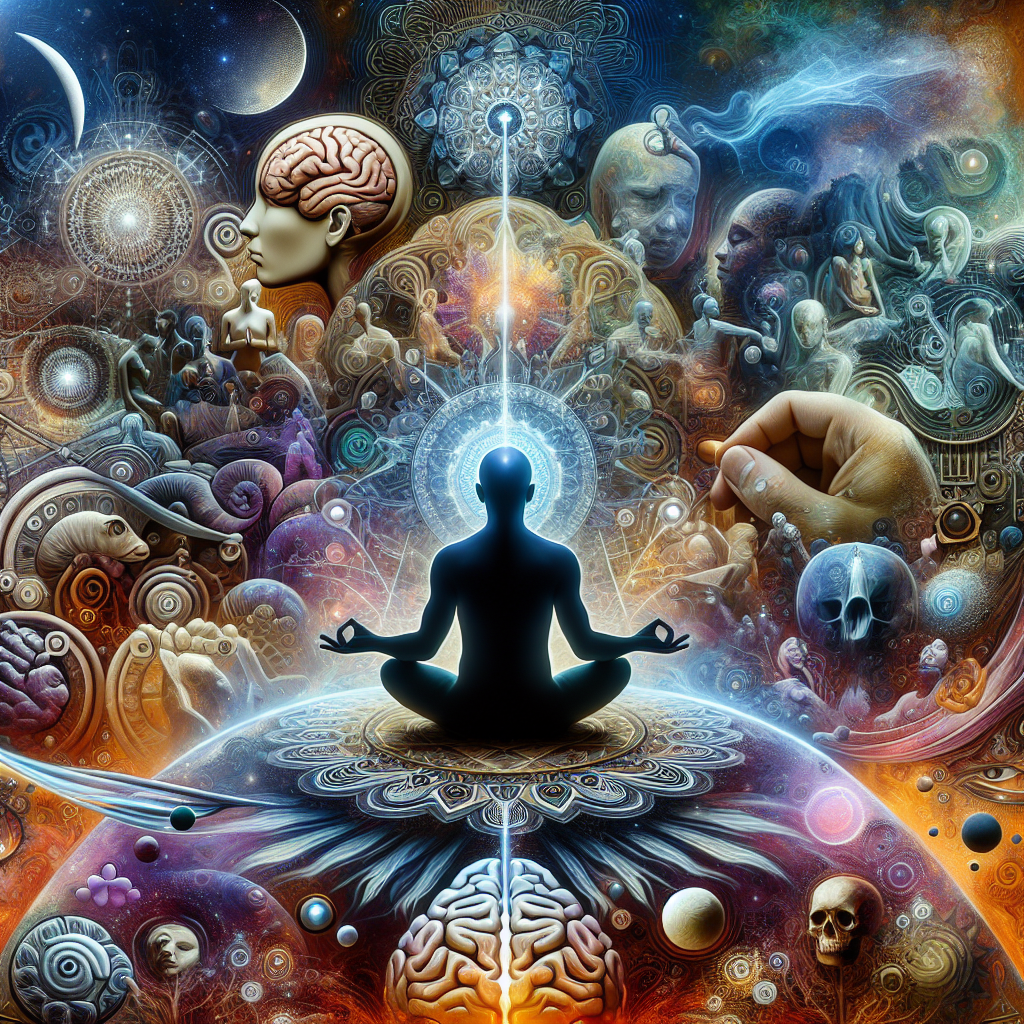
Today, let’s embark on a journey through the intertwined paths of spirituality and psychology. Both realms explore the depths of our existence, guiding us towards personal growth and fulfillment. Despite differing approaches, when these two join hands, a symphony of healing and wholeness emerges.
Spirituality and the Inner Self
Spirituality often invites us to look inward, exploring the soul’s connection with the divine. It provides a sense of purpose and a deeper understanding of our place in the universe. This divine connection is beautifully encapsulated in Psalm 139:14, where the psalmist declares, "I praise you because I am fearfully and wonderfully made." Recognizing our inherent worth through God’s eyes encourages self-love and acceptance.
Psychology: The Science of the Mind
On the other hand, psychology delves into the intricacies of our mind and behavior, seeking to uncover the patterns that shape our experiences. It equips us with tools to manage emotions, develop resilience, and build healthy relationships. A harmonious mind leads to a harmonious life, much like how Proverbs 4:23 advises, "Above all else, guard your heart, for everything you do flows from it." Understanding our mental processes helps us guard and nurture our inner wellbeing.
Where They Meet: A Journey of Transformation
When spirituality and psychology converge, we experience a more holistic transformation. Spirituality offers the "why"—a sense of divine purpose and direction—while psychology provides the "how," equipping us with practical strategies for personal development.
Consider the peace that surpasses understanding mentioned in Philippians 4:7. Spiritual practices such as prayer and meditation align with psychological techniques like mindfulness, all fostering serenity amid life’s storms. It’s about finding balance and drawing strength from both spiritual insights and psychological science.
Encouragement for the Journey
Beloved friends, may you embrace the gifts of both spirituality and psychology as tools for growth and healing. Remember, you are a wondrous creation, equipped with a mind capable of change and a spirit destined for greatness.
In moments of doubt or struggle, lean into the wisdom of these principles. Cultivate a heart open to God’s love and a mind eager to learn and grow. Trust that, through faith and understanding, you’re being shaped into the best version of yourself.
As you move forward, may your journey be filled with joy, peace, and endless possibilities. Let spirituality and psychology be your guides as you explore the miracle that is you!
Stay blessed and inspired, dear friends. 🌼
With love and light,
[Your Name]
If you want to want to know more about this topic, check out BGodInspired.com or check out specific products/content we’ve created to answer the question at BGodInspired Solutions
Q&A about Spirituality and Psychology
Sure, here’s a Q&A that explores the intersection of spirituality and psychology:
Q: How does spirituality influence mental health?
A: Spirituality can provide a sense of purpose, enhance coping skills, and promote a sense of interconnectedness, which can contribute positively to mental health. Practices like meditation, prayer, and mindfulness can reduce stress, anxiety, and depression by fostering a sense of peace and perspective.
Q: Can psychology and spirituality coexist in therapeutic practices?
A: Yes, many therapists integrate spiritual practices into their treatment approaches. Techniques such as mindfulness-based therapy, which originates from Buddhist practices, or the incorporation of personal beliefs in cognitive-behavioral therapy, can enrich the healing process and cater to individuals seeking a holistic approach to well-being.
Q: What is the difference between religion and spirituality in psychological context?
A: In psychology, spirituality is often seen as a broader, individualized concept focused on personal growth and connection with the universe, while religion is more structured and communal, with set doctrines and practices. Both can contribute to a person’s identity but in different ways.
Q: How does mindfulness meditation impact psychological health?
A: Mindfulness meditation helps increase awareness and acceptance of the present moment, which can lead to reduced stress levels, lower anxiety, and improved emotional regulation. Research shows it can enhance focus, decrease symptoms related to PTSD, and improve overall psychological well-being.
Q: Can spiritual crises lead to psychological issues?
A: Yes, what’s known as a spiritual emergency or crisis can lead to psychological distress. This can occur when someone experiences intense spiritual transformation or challenges to their belief systems. Support from mental health professionals who understand and respect spiritual issues can be critical during such times.
Q: Is there a psychological explanation for spiritual experiences?
A: Some psychologists suggest that spiritual experiences might be linked to certain brain activities, such as those in the temporal lobes. However, these experiences are subjective and can greatly differ from person to person, often described in ways that transcend typical sensory or cognitive experiences.
Q: How can spiritual practices help with addiction recovery?
A: Spiritual practices can provide strength and motivation in addiction recovery by promoting forgiveness, inner peace, and a renewed sense of purpose. Programs like Alcoholics Anonymous incorporate spiritual principles to encourage personal transformation and community support.
Q: What role do community and connection play in spirituality and mental health?
A: Community and connection are fundamental to both spirituality and mental health, offering support, belonging, and a sense of shared experience. Engagement with a community can reduce feelings of isolation and improve emotional resilience.
Feel free to ask more questions on this topic!