 0
0
 0
0
Spiritual Devotional about Meditation
Embracing Peace: The Transformative Power of Meditation and Biblical Wisdom
Hello, beloved friends! 🌟
Today, we embark on a journey of inner peace and divine connection through the transformative practice of meditation. This spiritual discipline is not just a modern trend but deeply rooted in ancient wisdom, including insights we find within the Bible. Let’s explore how meditation can enrich our lives and draw us closer to God.
The Gift of Stillness
In our fast-paced world, finding moments of stillness might seem like a luxury. Yet, Psalm 46:10 gently calls us to "Be still, and know that I am God." In these simple words lies a profound invitation to pause and rest in the divine presence. Meditation provides us with a sacred space to embrace this stillness, quieting the noise and allowing us to tune into God’s whispers of love and wisdom.
Meditation: A Bridge to the Divine
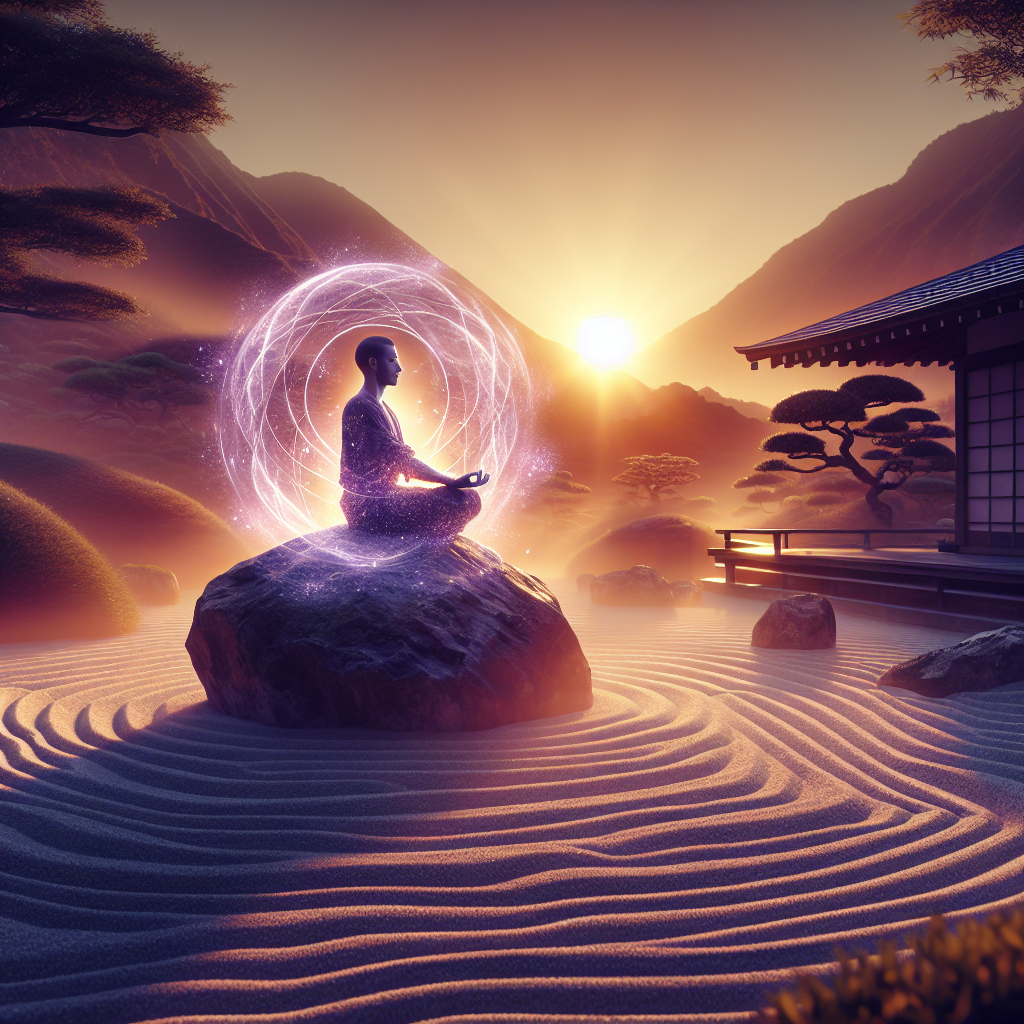
Meditation is like planting a garden within our souls, where seeds of peace and clarity can bloom. By setting aside time to meditate, we align our minds and hearts with God’s truth and presence. Imagine sitting in a quiet, comfortable spot, taking deep breaths, and focusing on your connection with the divine. This is a moment where worries fade, and you are reminded of God’s promise: “You will keep in perfect peace those whose minds are steadfast, because they trust in you” (Isaiah 26:3).
Biblical Stories of Reflection
Throughout the Bible, we see examples of reflection and meditation. Consider Jesus, who often withdrew to solitary places to pray. This intentional time away from the crowd was His way of renewing His spirit and deepening His connection with the Father. We can find inspiration in His example to retreat into moments of quiet meditation, trusting that like Jesus, we too will be refreshed and guided.
Steps to Start Your Meditation Practice
-
Set Your Intention: Begin by dedicating your meditation time to God. You might say a simple prayer, inviting the Holy Spirit to guide your thoughts and bring peace to your heart.
-
Find Your Space: Choose a peaceful spot where you can sit comfortably. Whether it’s a cozy corner in your home or a serene outdoor setting, let this be your sacred space of communion with God.
-
Breathe Deeply: Close your eyes, take slow, deep breaths, and feel God’s presence filling every part of your being.
-
Focus on Scripture: Meditate on a favorite Bible verse or passage. Let the words wash over you, bringing insight and comfort.
-
Be Still and Listen: Allow your mind to rest and your heart to open. In this sacred silence, be attentive to God’s presence and the gentle revelations He may impart.
The Promise of Transformation
As you cultivate a regular meditation practice, expect transformation within. Peace, clarity, and a deeper sense of purpose are just a few of the fruits you’ll harvest. We are reminded in Philippians 4:7 that "the peace of God, which transcends all understanding, will guard your hearts and your minds in Christ Jesus."
Let meditation become a joyous and life-giving part of your spiritual journey. May it restore your spirit, refresh your mind, and renew your trust in God’s unfailing love.
Until next time, may your days be filled with light, love, and the profound peace that comes from connection with the Divine. 🌿✨
With abundant blessings,
[Your Name]
If you want to want to know more about this topic, check out BGodInspired.com or check out specific products/content we’ve created to answer the question at BGodInspired Solutions
Q&A about Meditation
Sure! Here’s a Q&A focused on meditation:
Q: What is meditation?
A: Meditation is a practice where an individual uses techniques such as mindfulness, focusing the mind on a particular object, thought, or activity to train attention and awareness, and achieve a mentally clear and emotionally calm and stable state.
Q: What are the benefits of meditation?
A: Meditation offers numerous benefits, including reduced stress, improved concentration, better emotional health, enhanced self-awareness, reduced memory loss, and improved sleep.
Q: How long should I meditate each day?
A: Beginners might start with 5 to 10 minutes per day, gradually increasing to 20 minutes or more as they become more comfortable with the practice.
Q: What are some common types of meditation?
A: Common types include mindfulness meditation, loving-kindness meditation, body scan, mantra meditation, transcendental meditation, and guided visualization.
Q: Can anyone meditate?
A: Yes, meditation is accessible to everyone, regardless of age, physical ability, or experience level. It can be adapted to fit the individual’s needs and lifestyle.
Q: How do I get started with meditation?
A: To start, find a quiet and comfortable place, sit in a relaxed but alert posture, and focus on your breath. You can also try guided meditation apps to help you begin.
Q: How do I handle a wandering mind during meditation?
A: It’s natural for the mind to wander. When you notice it happening, gently bring your focus back to your breath or the object of your meditation without judgment.
Q: Can meditation help with anxiety?
A: Yes, regular meditation can help reduce symptoms of anxiety by promoting relaxation, mindfulness, and improved emotional regulation.
Q: Is meditation a religious practice?
A: While meditation has roots in spiritual and religious traditions, it is also widely practiced in a secular context for its health and wellness benefits.
Q: Can children meditate?
A: Yes, children can meditate. Simple techniques like mindful breathing and short guided meditations can help them develop focus and emotional regulation skills.
Feel free to ask more questions if you have them!