Spiritual Devotional about Spirituality vs. Religion
Spirituality vs. Religion: A Path to Inner Peace and Divine Connection
Welcome, dear friends, to a journey of discovery and inspiration! Today, we delve into a topic often debated, yet profoundly enriching—Spirituality vs. Religion. Both paths can lead us closer to the Divine, yet they offer unique experiences and perspectives. Let’s explore how these beautiful paths align and how they can guide us towards a more meaningful life.
The Heart of Spirituality
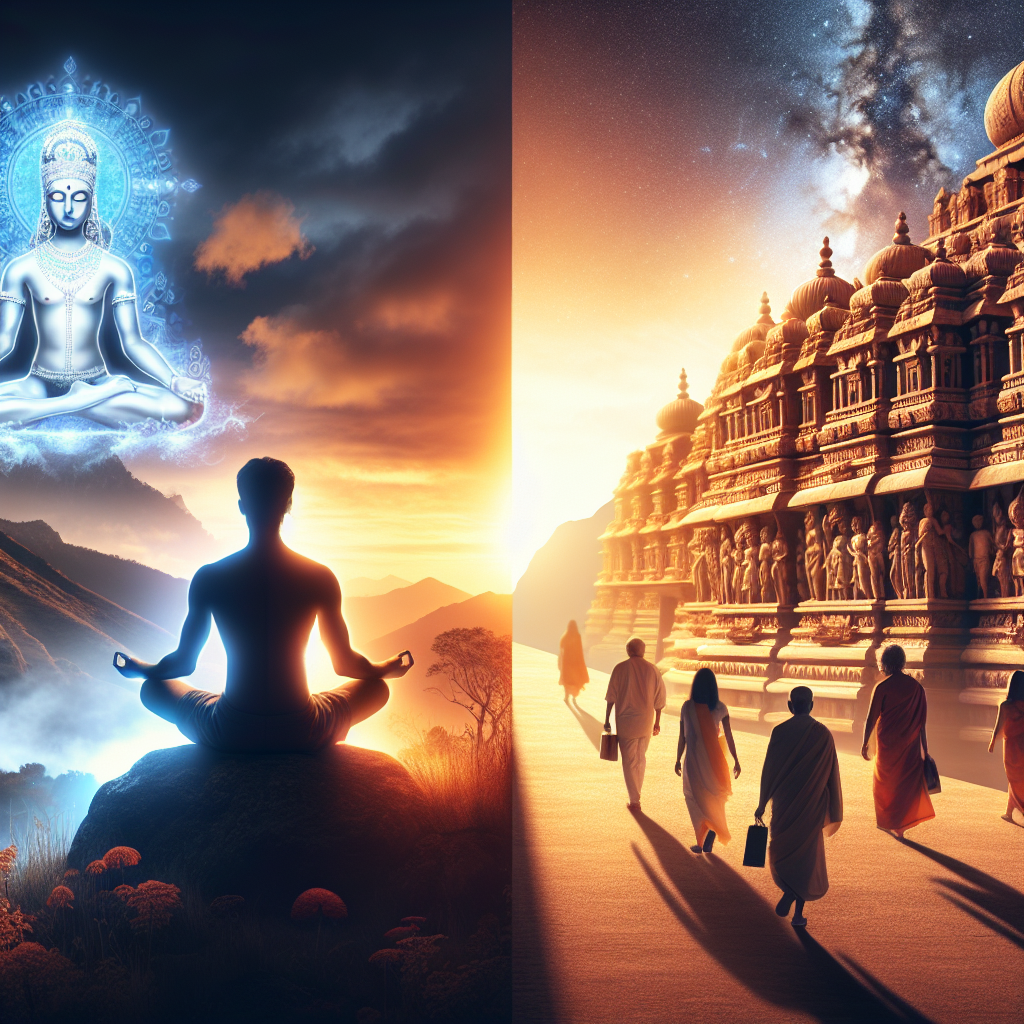
At its core, spirituality is about a personal connection with the Divine. It is an intimate journey, often characterized by an exploration of inner peace, purpose, and the profound mysteries of life. Spirituality invites us to listen to our inner voice, to meditate, and to find God in the quiet moments of our lives.
Consider Psalm 46:10, "Be still, and know that I am God." This verse beautifully captures the essence of spirituality—finding the Divine presence in stillness. It’s about seeking God not only in grand cathedrals but also in the simple moments of reflection and gratitude.
The Structure of Religion
Religion, in contrast, often presents a structured pathway to the Divine. It offers community, tradition, and shared beliefs that connect us with something greater than ourselves. Through rituals, scripture, and fellowship, religion provides a foundation and a guide—a supportive framework in our spiritual endeavors.
Take Hebrews 10:24-25, "And let us consider how we may spur one another on toward love and good deeds, not giving up meeting together, as some are in the habit of doing, but encouraging one another
If you want to want to know more about this topic, check out BGodInspired.com or check out specific products/content we’ve created to answer the question at BGodInspired Solutions
Q&A about Spirituality vs. Religion
Q1: What is the main difference between spirituality and religion?
A1: Spirituality is a personal and individual experience focused on personal growth, inner peace, and a connection with something greater than oneself. Religion, on the other hand, is structured around specific beliefs, rituals, and practices within a community or institution.
Q2: Can someone be spiritual without being religious?
A2: Yes, many people identify as spiritual without adhering to a specific religion. They may seek personal enlightenment, connection with nature, or other forms of transcendence without participating in organized religious practices.
Q3: How do spirituality and religion approach the concept of God or a higher power?
A3: Religion typically defines God or a higher power through specific doctrines and texts, while spirituality allows for a more personal and individualized understanding, which may or may not include traditional notions of God.
Q4: Are rituals important in spirituality?
A4: While religion often includes rituals as part of its practice, spirituality may incorporate rituals in a more personal and flexible manner, if at all. These rituals can be unique to the individual and serve as tools for personal reflection or meditation.
Q5: How do spirituality and religion address ethical behavior?
A5: Religion often provides a moral framework through teachings and commandments. Spirituality encourages ethical behavior through personal growth and awareness, fostering values like compassion, kindness, and integrity.
Q6: Can spirituality and religion coexist in a person’s life?
A6: Yes, many people find that spirituality enriches their religious practices, offering a deeper personal connection to their faith. Others may discover that their religious traditions provide a foundation for their spiritual exploration.
Q7: How do spirituality and religion view the afterlife?
A7: Religions often have specific teachings about the afterlife, such as heaven, hell, or reincarnation. Spiritual perspectives on the afterlife can vary widely, with some focusing on the continuation of the soul’s journey or a belief in a universal energy.
Q8: Is it necessary to follow a religion to develop a spiritual practice?
A8: No, spiritual practices can be developed independently from religion. Many people engage in meditation, mindfulness, yoga, or other practices to explore their spirituality without aligning with a specific religious tradition.