Spiritual Devotional about Shamanism and Indigenous Wisdom
Embracing the Spirit: Shamanism and Indigenous Wisdom
Hello, dear readers! Today, let’s journey into the vibrant world of Shamanism and Indigenous wisdom, drawing connections with timeless Biblical principles. In a world often bustling with noise, there’s profound peace in embracing ancient traditions that echo the whispers of creation and the heartbeat of humanity.
Understanding Shamanism
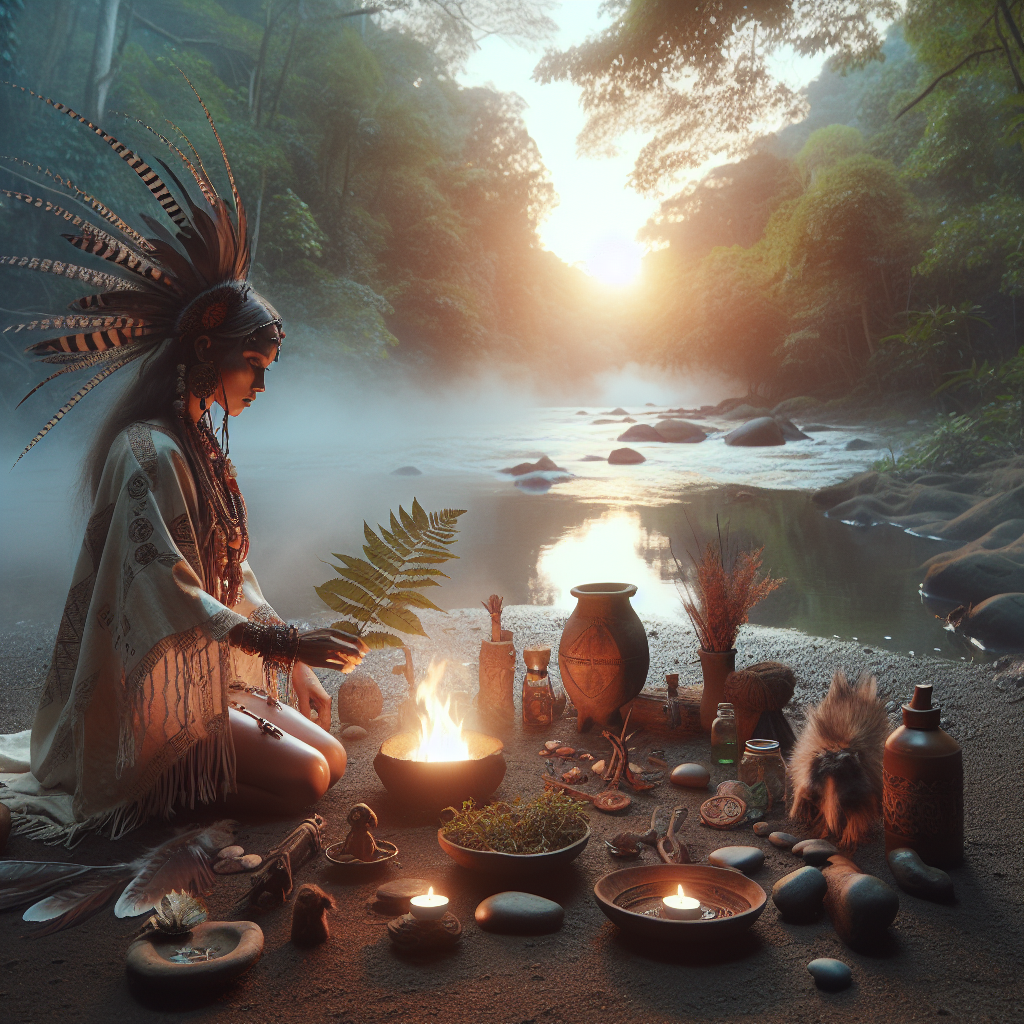
At its core, Shamanism is a practice rooted in the spiritual connections between humans, nature, and the divine. Traditional shamans are seen as mediators between the physical and spiritual worlds, drawing upon centuries of Indigenous knowledge to bring healing and balance.
Biblical Connections
Interestingly, the essence of Shamanism resonates with several Biblical principles. For example, Ecclesiastes 3:1 reminds us, "There is a time for everything, and a season for every activity under the heavens." This aligns beautifully with Shamanic beliefs in the cycles of nature and the interconnectedness of life.
Moreover, just as the Bible speaks of shepherds guiding their flocks with care, shamans guide communities with wisdom, helping individuals find their spiritual path and embrace harmony with the world around them.
Lessons from Nature
Indigenous wisdom teaches us to listen, truly listen, to the wisdom of the earth. Psalms 19:1 declares, "The heavens proclaim the glory of God; the skies display his craftsmanship." Nature is a testimony to divine creativity and a wellspring of spiritual insight.
By observing the rhythms of nature, we learn patience, resilience, and gratitude—qualities that enhance our spiritual journeys. Indigenous traditions often emphasize the sacredness of all living things, reminding us to cherish and care for creation, a principle echoed in Genesis, where God tasks humanity with stewardship over the earth.
Healing and Community
Shamanism underscores the power of community and collective healing. In Acts 2:44-47, we see early Christians living in unity, sharing, and supporting one another—a vibrant example of community strength akin to Indigenous gatherings where storytelling, song, and ritual foster connection and healing.
Inspiring Inner Transformation
Embracing Shamanic practices or simply learning from them can lead to profound spiritual transformation. Through meditation, rituals, or simply spending time in nature, we open ourselves to the whispers of the divine woven intricately in our lives.
Conclusion
As we navigate our spiritual paths, let’s draw inspiration from the rich tapestry of Shamanism and Indigenous wisdom. Just as the Bible teaches us to seek God’s face in all things, let us also find divine beauty in the natural world and ancient traditions. May we be inspired to live harmoniously, nurturing both our spirits and the earth, while celebrating the beautiful dance of life.
Let’s continue this beautiful journey together, embracing all the wisdom and wonder the world has to offer.
Blessings,
[Your Name]
If you want to want to know more about this topic, check out BGodInspired.com or check out specific products/content we’ve created to answer the question at BGodInspired Solutions
Q&A about Shamanism and Indigenous Wisdom
Certainly! Here is a Q&A based on Shamanism and Indigenous Wisdom.
Q1: What is Shamanism?
A1: Shamanism is a spiritual practice found in many cultures across the world, characterized by rituals and ceremonies led by a shaman. Shamans act as mediators between the physical world and spiritual realms, using techniques like trance, drumming, and chanting to connect with spirits and gain guidance or healing.
Q2: How do shamans heal people?
A2: Shamans heal by addressing spiritual imbalances or disharmonies believed to be the root of physical or mental illness. They use techniques like energy healing, plant medicine, soul retrieval, and communication with spirit guides to restore balance and well-being.
Q3: What is Indigenous Wisdom?
A3: Indigenous Wisdom refers to the knowledge and insights developed by Indigenous peoples over centuries, often embodying a deep understanding of nature, community, spirituality, and sustainable living. It emphasizes living in harmony with the Earth, respecting all forms of life, and maintaining balance.
Q4: How do shamans enter a trance state?
A4: Shamans enter a trance state through various techniques like rhythmic drumming, dancing, chanting, meditation, or using entheogens—substances like ayahuasca or peyote that alter consciousness. The trance allows them to journey to spiritual realms for guidance and healing.
Q5: What role do animals play in Shamanism?
A5: Animals are often regarded as spirit guides or totems in Shamanism. They provide wisdom, protection, and support. Each animal has specific qualities or messages and can offer guidance in personal growth and spiritual development.
Q6: Can anyone become a shaman?
A6: In many indigenous cultures, becoming a shaman involves a calling or initiation, often marked by a profound personal experience or vision. It requires extensive training and knowledge transmission from experienced shamans, as well as a deep connection to spiritual practices and community service.
Q7: How can Indigenous Wisdom contribute to modern environmental issues?
A7: Indigenous Wisdom, with its focus on sustainability and respect for nature, offers valuable perspectives for addressing modern environmental challenges. It encourages practices that promote biodiversity, reduce ecological footprints, and foster a profound respect for all living beings, promoting harmonious coexistence with the Earth.
Q8: Are there specific rituals in Shamanism?
A8: Yes, rituals in Shamanism vary widely across cultures but often include ceremonies for healing, divination, community tasks, and honoring the spirits. These rituals may involve music, dance, offerings, and invoking the four elements—earth, water, fire, and air.
Feel free to ask if you have any specific questions or need more detailed information!