Spiritual Devotional about Spiritual Symbols and Rituals
Title: Embracing Spiritual Symbols and Rituals: A Journey of Faith and Connection
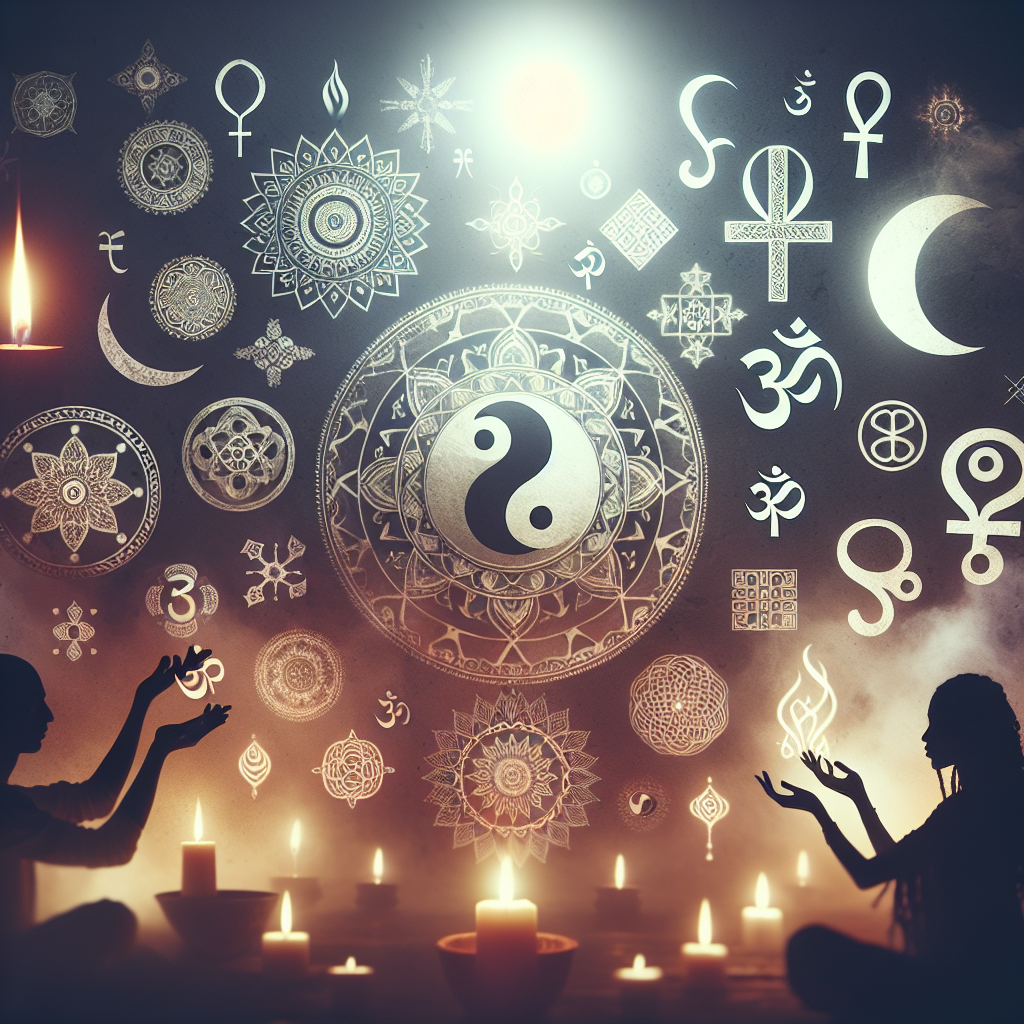
In the tapestry of our spiritual lives, symbols and rituals add vibrant colors and dynamic textures, inviting us to deeper understanding and connection with the divine. These practices, rich in tradition and meaning, serve as bridges, linking our daily lives to the profound truths of our faith. As we explore these sacred elements, let’s uncover the beauty and significance they hold for our spiritual journey, drawing inspiration from the timeless wisdom found in the Bible.
The Power of Symbols
Symbols have the remarkable ability to convey deep truths through simple forms. Throughout the Bible, we find numerous symbols that reveal God’s nature and His plans for humanity. Take the rainbow, for instance, which God set in the sky as a sign of His covenant with Noah (Genesis 9:13). This symbol reminds us of God’s faithfulness and His promise of hope and renewal in our lives.
Similarly, the cross stands as a powerful emblem of Christ’s sacrificial love and redemption. For Christians, it is a poignant reminder of the price paid for our salvation, urging us to live a life of gratitude and devotion. The cross encourages us to bear our burdens with grace, knowing that we are strengthened by the One who bore the ultimate burden for us.
The Significance of Rituals
Rituals are an integral part of our spiritual practice, providing us with meaningful opportunities to express our faith and commune with God. They help us to mark significant moments and milestones, grounding us in God’s eternal presence. One of the most cherished rituals in Christianity is the Lord’s Supper or Communion. As we partake in the bread and wine, we do so in remembrance of Christ’s sacrifice, renewing our covenant with Him and uniting with fellow believers in a profound act of worship (1 Corinthians 11:24-26).
Baptism is another powerful ritual that symbolizes our new life in Christ. Through the immersion in water, we experience a tangible representation of dying to our old selves and rising into a life of grace and freedom. Baptism is more than a ritual; it is a declaration of faith and a celebration of our entry into the family of God (Romans 6:3-4).
Infusing Everyday Life with Spiritual Meaning
While symbols and rituals often hold significant formal roles within our faith community, they can also enrich our daily lives, offering us moments to pause, reflect, and realign with God’s purpose. Consider incorporating simple acts such as lighting a candle during prayer, using it as a symbol of Christ’s light in our darkness, or creating a gratitude journal, transforming the mundane into an act of worship.
Drawing inspiration from the biblical principle in Colossians 3:17, "And whatever you do, whether in word or deed, do it all in the name of the Lord Jesus, giving thanks to God the Father through him," we are encouraged to see our ordinary tasks as an offering to God. By infusing our daily routines with spiritual meaning, we transform the ordinary into extraordinary moments with the divine.
Conclusion: Celebrating the Sacred
As we journey through our spiritual lives, let’s embrace the rich tapestry of symbols and rituals available to us. They invite us to deepen our relationship with God, offering us avenues to connect, reflect, and celebrate the sacred. May we open our hearts to these spiritual tools, allowing them to guide us into a richer, more meaningful relationship with our Creator.
Let the symbols and rituals of our faith be not just traditions we observe, but vibrant experiences that inspire, uplift, and renew our spirits. In every symbol, find truth; in every ritual, find connection. And in all things, find the love of Christ, who is the ultimate symbol and source of our faith.
Explore and dig up answers yourself with our BGodInspired Bible Tools! Be careful – each interaction is like a new treasure hunt… you can get lost for hours 🙂
Q&A about Spiritual Symbols and Rituals
Certainly! Here is a sample Q&A based on the topic of Spiritual Symbols and Rituals:
Q1: What is the significance of the Ankh symbol in ancient Egyptian culture?
A1: The Ankh is one of the most recognized symbols in ancient Egyptian culture, often referred to as the "key of life" or the "cross of life." It represents eternal life and the life-giving power of the sun. The Ankh is frequently depicted in Egyptian art being held by deities, symbolizing their power to grant life and prosperity.
Q2: How is the Mandala used in spiritual practices?
A2: A Mandala is a geometric configuration of symbols often used in Hinduism and Buddhism as a spiritual guidance tool. It represents the universe and is used in meditation and rituals to aid in focusing attention, establishing a sacred space, and assisting in spiritual growth. Creating a Mandala can be a meditative practice, intended to bring peace, balance, and harmony to the practitioner.
Q3: What does the Lotus flower symbolize in spiritual traditions?
A3: The Lotus flower is a powerful symbol in several spiritual traditions, particularly in Buddhism and Hinduism. It represents purity, enlightenment, and rebirth, arising from muddy waters to bloom in the sunlight. This analogy is often used to illustrate the journey towards enlightenment and the awakening of one’s spiritual potential.
Q4: What is the purpose of smudging in indigenous rituals?
A4: Smudging is a common indigenous ritual that involves burning sacred herbs, such as sage, cedar, or sweetgrass, to purify a space or person. It is believed to clear negative energy and invite positive energy. Smudging is used in various ceremonies and personal practices as a way to cleanse the body, mind, and spirit, and to create a healing atmosphere.
Q5: How is the Yin-Yang symbol interpreted in Taoism?
A5: The Yin-Yang symbol is a fundamental concept in Taoism representing duality and balance in the universe. Yin is associated with darkness, passivity, and femininity, while Yang is linked to light, activity, and masculinity. The symbol illustrates how opposites are interconnected and interdependent, existing in harmony to create a balanced whole. This philosophy encourages the pursuit of balance in all aspects of life.
Q6: Can you explain the significance of the ritual of baptism in Christianity?
A6: Baptism is a sacrament in Christianity that signifies purification and admission to the faith community. It often involves the use of water as a symbol of washing away sin and is viewed as a rite of spiritual rebirth. In many Christian denominations, baptism is a public declaration of faith and a commitment to following the teachings of Jesus Christ. It symbolizes dying to one’s old self and being born anew in the spirit.
Feel free to ask more questions or request different topics related to spiritual symbols and rituals!