Spiritual Devotional about Rituals of Passage
Rituals of Passage: A Celebration of Life’s Transformative Moments
Life is a magnificent tapestry of transitions and transformations. At various points in this journey, we encounter sacred moments known as rituals of passage. These milestones—whether it’s a graduation, marriage, baptism, or even retirement—are opportunities to reflect, celebrate, and embrace the new chapter unfolding before us. They echo the timeless rhythms of life, beautifully reminding us of the growth and change that are fundamental to our human experience.
In scripture, we see numerous examples of these poignant transitions. The Bible is rich with stories that highlight the significance of moving from one stage of life to another. In the Old Testament, for instance, we see Joshua leading the Israelites across the Jordan River into the Promised Land (Joshua 3-4). This moment was not just a geographical transition, but a profound spiritual passage into a new era of fulfillment and divine promise. It’s a powerful reminder that God is with us every step of the way, ushering us into our own promised lands when we embrace change with faith and courage.
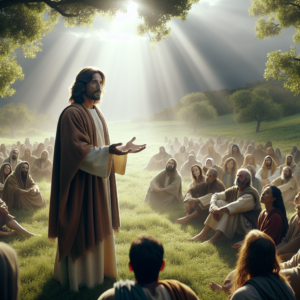
Jesus’ life also reflects meaningful passages. His baptism by John the Baptist marks a significant beginning of His earthly ministry (Matthew 3:13-17). This act was not only an expression of obedience and divinity but also an important ritual setting the stage for what was to come. Like Jesus, as we navigate through our own life stages, we are invited to step into each new beginning with purpose and trust in God’s greater plan for us.
What makes these rituals of passage so special is their ability to unite communities, families, and individuals, offering a sense of belonging and continuity amid change. They are an invitation to pause, reflect, and recommit ourselves to the values and principles that guide us. Through these rites, we find encouragement to let go of what was, embrace what is, and look forward to what will be.
For anyone approaching a new milestone, remember that this is a moment to celebrate, to draw strength from those who have journeyed before you, and to feel assured of God’s presence, walking alongside you. Reflect on the gift of transition—it is a testament to growth, resilience, and the divine rhythm of life itself.
As we honor these moments, let us do so with gratitude and joy. Gather your loved ones, share stories, create memories, and give thanks. Let us carry these lessons of faith and community into every new chapter, confident that we are exactly where we are meant to be, reflecting God’s perfect timing.
Let your life be a vibrant dance of joyful transitions, each step marking a divine progression towards becoming more fully the person God created you to be. Embrace these rituals of passage as the holy celebrations they are, worthy of our utmost reverence and joy.
May every milestone you encounter be met with open hearts, ready minds, and an unyielding faith in the beautiful journey ahead.
Blessings to you on every step of your path! 🌟
Explore and dig up answers yourself with our BGodInspired Bible Tools! Be careful – each interaction is like a new treasure hunt… you can get lost for hours 🙂
Q&A about Rituals of Passage
Certainly! Here is a Q&A based on the concept of rituals of passage:
Q&A: Rituals of Passage
Q1: What are rituals of passage?
A1: Rituals of passage, also known as rites of passage, are ceremonies or events marking significant transitions or stages in a person’s life. These can include birth, puberty, marriage, death, and other culturally significant events. They serve to acknowledge and celebrate the individual’s passage from one status or phase of life to another.
Q2: What are some common examples of rituals of passage across cultures?
A2: Common examples include:
- Birth and naming ceremonies (e.g., Baptism in Christianity, Aqiqah in Islam)
- Coming-of-age ceremonies (e.g., Bar/Bat Mitzvah in Judaism, Quinceañera in Latin America)
- Marriage ceremonies
- Funeral rites
Q3: How do rituals of passage differ between cultures?
A3: Rituals of passage can differ greatly between cultures in terms of the ceremonies’ specific practices, symbols, meanings, and timings. For instance, while a Bar Mitzvah celebrates a Jewish boy’s transition to adulthood at age 13, a similar coming-of-age ceremony, the Upanayana, takes place for Hindu boys typically between the ages of 5 to 16, marking the acceptance of youth into the religious community.
Q4: What is the function of rituals of passage in society?
A4: These rituals serve multiple functions, such as:
- Marking major life transitions to aid personal and collective understanding.
- Reinforcing cultural values and norms by formally recognizing changes in an individual’s status.
- Providing individuals with guidance and support during transitions, helping them adjust to new roles and responsibilities.
- Strengthening social bonds within the community through collective celebration and acknowledgment.
Q5: Can you explain the three stages of a rite of passage as described by anthropologist Arnold van Gennep?
A5: Arnold van Gennep outlined a three-stage process in a rite of passage:
- Separation: The participant is detached from their previous role or status. This might involve physical separation or a symbolic act representing the break from their former life.
- Transition (Liminality): The participant enters a threshold period where they are neither in the old stage nor fully in the new one. This phase often involves instruction, trials, or rituals that prepare them for their new role.
- Incorporation: The participant is reintegrated into society with their new status. This phase typically involves a ceremony celebrating the individual’s new role or position in the community.
Q6: How have modern societies adapted traditional rituals of passage?
A6: In modern societies, traditional rituals of passage can be adapted to fit contemporary contexts while preserving their symbolic significance. For example, while traditional weddings may still include certain cultural rites, many couples choose to personalize their ceremonies to reflect their unique relationship. Additionally, some communities may choose to reinterpret or modify traditional rituals to be more inclusive or relevant to modern values.
These Q&A points provide a basic overview of rituals of passage and their significance across various cultures and contexts.