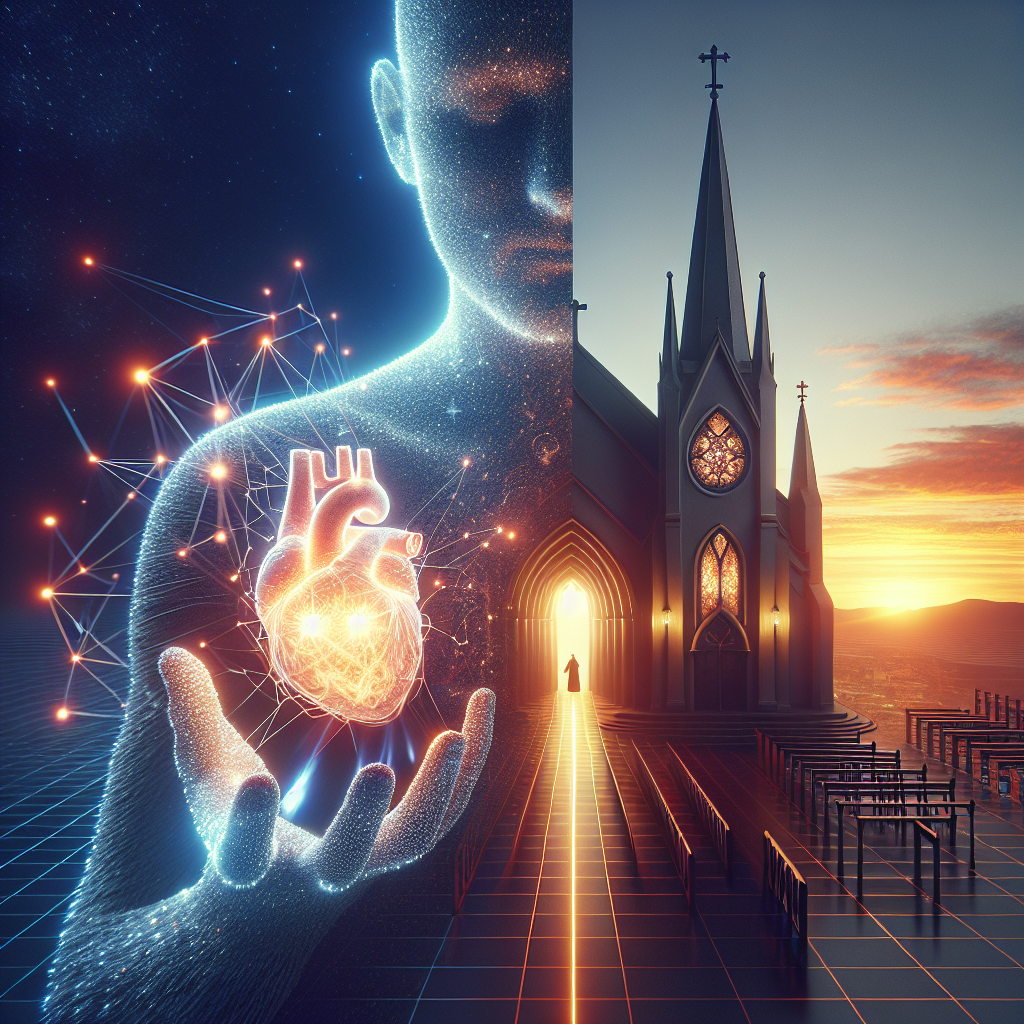
Spiritual Devotional about Spirituality vs. Religion
Spirituality vs Religion: A Divine Dialogue
Good day to our beloved readers! Today, we’re diving into the much-dissected but deeply fascinating topic of the nature of spirituality vis-a-vis religion. Often intertwined, misunderstood, or mistaken for the other, it’s important to explore each in depth to understand their unique attributes and what they potentially bring to our lives.
The Essence of Spirituality
John 4:24: “God is spirit, and those who worship Him must worship in spirit and truth.”
Spirituality, in its truest essence, is a personal, intimate relationship with the Divine. Without the frills or structures of any formal tradition, it underscores the personal experience of the divine, soulful self-discovery, and inner growth.
Spirituality cultivates a direct, unmediated connection between the individual and the divine. It encourages us to look within, listen to our inner voice, and nurture a deep understanding of ourselves and the universe.
The Strength of Religion
Hebrews 10:24-25: “And let us consider how to stir up one another to love and good works, not neglecting to meet together, as is the habit of some, but encouraging one another, and all the more as you see the Day drawing near.”
Religion is birthed from spiritual experiences, but it often structures and formalizes them within a community. It provides a set of shared beliefs, rituals, and scriptures, serving as a collective expression of faith.
Religion, in its most uplifting form, is a vector of unity. It creates a sense of community, promotes ethical living, and provides a foundation for personal belief.
Harmony Between Spirituality and Religion
Romans 12:5: “so in Christ we, though many, form one body, and each member belongs to all the others.”
Both spirituality and religion have their places in our walks of faith. While spirituality underscores the importance of personal communion with the Divine and self-awareness, religion builds a shared community of faith.
There’s no need to choose one over the other, and many find a balance between both, assuring a personal growth while part of a nurturing and moral community.
Let us seek the truth in love and goodwill! Embrace your journey, whether it is one of personal spirituality, shared religion, or the lovely mixture of both. Remember, every path is unique, and whichever you walk, may it lead you to peace, love, and deep fulfillment.
Stay blessed and inspired!
Explore and dig up answers yourself with our BGodInspired Bible Tools! Be careful – each interaction is like a new treasure hunt… you can get lost for hours 🙂
Q&A about Spirituality vs. Religion
Q: What is the main difference between spirituality and religion?
A: Spirituality is a solitary experience of the divine, while religion involves a group of people brought together by their shared faith or beliefs.
Q: Can a person be spiritual but not religious?
A: Yes, a person can be spiritual but not religious. This means that a person may have personal beliefs and practices that connect them to the divine or ultimate truth, but not adhere to the prescribed beliefs and practices of a specific religion.
Q: Do all religions encourage spirituality?
A: While all religions have a spiritual aspect as they point towards a greater reality beyond the material world, the emphasis on spirituality can vary from one religion to another.
Q: How is spirituality connected to religion?
A: Spirituality is typically seen as the core or essence of religion. Religion often provides a framework within which individuals can explore and express their spirituality.
Q: How can a person practice spirituality without being affiliated to a religion?
A: A person can practice spirituality without being affiliated to a religion by performing practices like meditation, observing nature, art, and even through acts of service. Spirituality is about personal growth, understanding, and connection to the universe and one’s self.
Q: Could religious rituals enhance spiritual experiences?
A: Yes, religious rituals could enhance spiritual experiences. These rituals can serve as a physical expression of internal spiritual concepts and beliefs, helping to foster a deeper connection with the divine.
Q: Is there a right or wrong choice between spirituality and religion?
A: There’s no right or wrong choice between spirituality and religion. It depends on an individual’s personal belief system, experiences, and what they find meaningful in their pursuit of understanding life and the universe.
Q: Could a person be both religious and spiritual at the same time?
A: Yes, a person can be both religious and spiritual at the same time. Many people find that their religious practices deepen and enhance their spiritual beliefs and experiences.
Q: Is it true that spirituality focuses more on individuality than religion?
A: Yes, it’s often viewed that way. Spirituality tends to be a more personal or individual experience, while religion often involves communal or shared beliefs and practices.
Q: What could be the possible drawbacks of being spiritual but not religious?
A: One of the possible drawbacks could be a lack of community support that many religions provide. Additionally, without the structure of a religious system, individuals may find it more difficult to maintain a consistent spiritual practice.