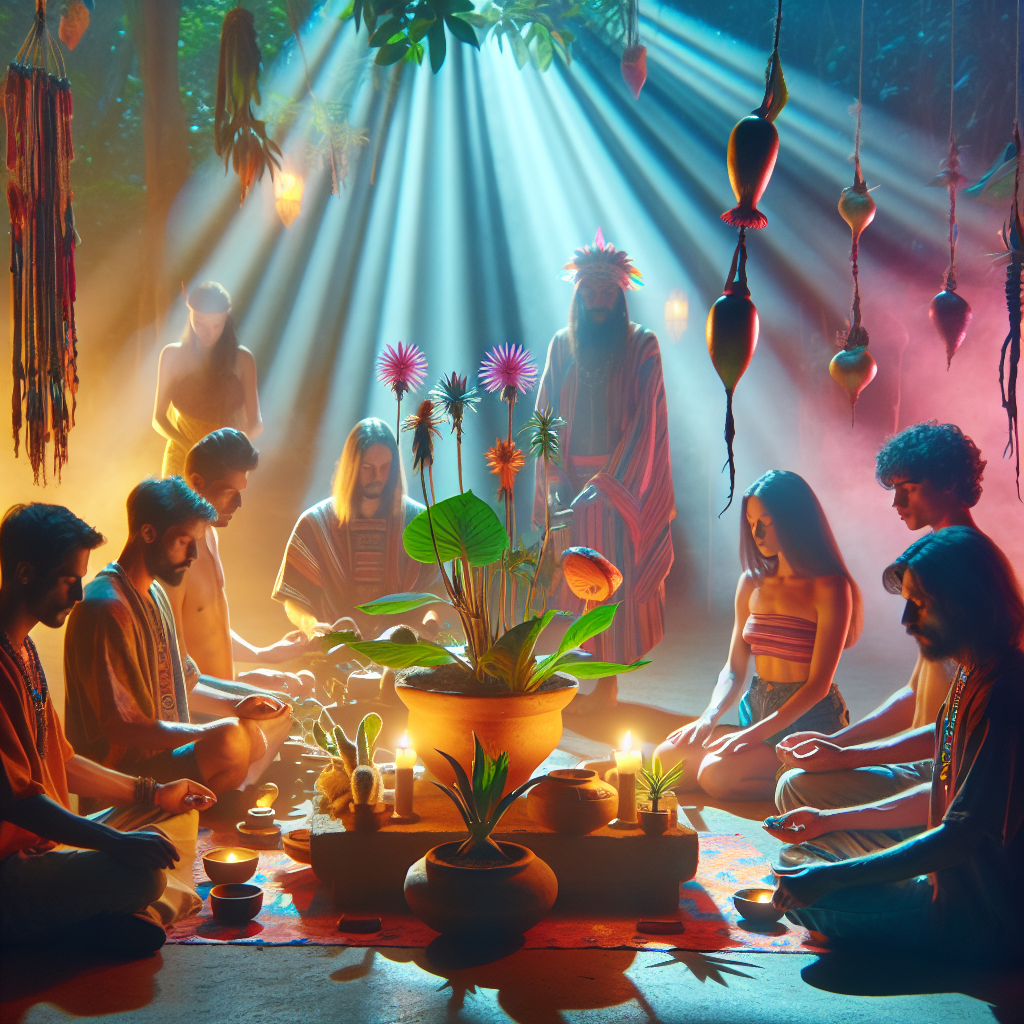
Spiritual Devotional about Sacred Plants and Psychedelics
Embracing the Divine: Sacred Plants, Psychedelics, and Spiritual Awakening
Welcome, dear friends, to a journey of discovering ancient wisdom and divine connection through sacred plants and psychedelics. As stewards of this Earth, we have been gifted with magnificent flora that can open doors to spiritual realms. These natural tools invite us to explore the mysteries of consciousness, deepen our connection to the divine, and embrace transformative healing.
A Garden of Gifts
From the beginning, creation has offered us bountiful gifts, with sacred plants being amongst the most profound. Used for millennia by indigenous cultures, these plants facilitate spiritual exploration, nurturing a sense of unity with nature and the divine. Just as God placed Adam and Eve in the Garden of Eden, with its abundance of life and sustenance, we, too, are blessed with a world rich in healing and enlightenment.
Psychedelics and the Search for Truth
Psychedelics have played a pivotal role in spiritual enlightenment, transcending cultural boundaries and helping seekers to touch the infinite. These experiences often echo with biblical principles, encouraging us to reflect on truths such as compassion, love, and interconnectedness — virtues deeply aligned with the teachings of Christ. In John 8:32, we are told, "And you will know the truth, and the truth will set you free." Through expanding our consciousness, we strive to uncover these truths, shedding the bindings of ego and fear.
Divine Healing and Restoration
Just as Jesus healed the sick and gave sight to the blind, sacred plants offer pathways to healing and restoration. They encourage us to confront inner wounds, fostering spiritual growth and emotional well-being. By surrendering to these experiences, we allow divine grace to transform our hearts and minds, ultimately leading us to a more fulfilling and purpose-driven life.
A Spirit of Wonder and Gratitude
Let us approach these sacred gifts with reverence and gratitude. Psalm 104:24 exclaims, "How many are your works, Lord! In wisdom you made them all; the earth is full of your creatures." This verse reminds us of the intricate beauty and purpose woven into the fabric of creation. As we explore these gifts, may we do so with humility, respect, and an openness to the lessons they impart.
Living with Intention and Love
Incorporating sacred plants and psychedelics into our spiritual practice calls for intention, discernment, and community. Just as Paul advised the Corinthians to gather in love and support (1 Corinthians 14:26), let us walk this path alongside trusted guides and cherished companions, ensuring our practices are safe and nurturing.
Conclusion: A Journey of Discovery
As we venture into this sacred exploration, may we do so with an unwavering spirit of curiosity and joy. Let us celebrate the divine mystery, embrace the teachings we uncover, and strive to embody lives of compassion, unity, and love.
Dear friends, you are part of a grand tapestry, woven with the threads of ancient wisdom and divine insight. May your journey with sacred plants and psychedelics illuminate your path and enrich your soul.
With love and blessings,
[Your Name]
Explore and dig up answers yourself with our BGodInspired App. Be careful – each interaction is like a new treasure hunt… you can get lost for hours 🙂
Q&A about Sacred Plants and Psychedelics
Q&A on Sacred Plants and Psychedelics
Q1: What are sacred plants?
A1: Sacred plants are those used in religious, shamanic, and spiritual traditions for their psychoactive properties, believed to facilitate communication with the spiritual world or enhance self-awareness. Examples include ayahuasca, peyote, and psilocybin mushrooms.
Q2: What is the role of psychedelics in spiritual practices?
A2: Psychedelics are used to induce altered states of consciousness, often described as mystical or transcendental. These states can lead to profound spiritual insights, personal growth, and healing, connecting users with a greater sense of the universe or divine.
Q3: How is ayahuasca used in traditional practices?
A3: Ayahuasca, a brew made from the Banisteriopsis caapi vine and other ingredients, is used in Amazonian shamanic ceremonies. It’s believed to allow users to access spiritual realms, gain healing insights, and release emotional traumas under the guidance of a shaman.
Q4: What are the potential therapeutic benefits of psychedelics?
A4: Research suggests psychedelics can help with mental health issues like depression, PTSD, and anxiety. They have shown promise in promoting emotional breakthroughs and long-lasting changes in perception and behavior when used in controlled settings.
Q5: Are there risks associated with the use of sacred plants and psychedelics?
A5: Yes, risks include psychological distress, potential for adverse reactions, and triggering psychiatric conditions in susceptible individuals. Without proper guidance, there can be negative or overwhelming experiences, which is why traditional use involves experienced guides.
Q6: What is the legal status of psychedelics?
A6: The legal status varies by country. Many psychedelics are classified as controlled substances but there is growing interest in their medical potential, leading to changes in legislation in some areas for research and therapeutic use.
Q7: How do indigenous cultures view sacred plants?
A7: Indigenous cultures often see sacred plants as gifts from the gods or ancestors. They consider them integral to cultural identity and spiritual practices, enhancing the understanding of nature and the universe.
Q8: How should one approach the use of sacred plants responsibly?
A8: Responsible use involves understanding cultural contexts, approaching with respect and intention, seeking guidance from experienced practitioners, and ensuring a safe, supportive environment for the experience.