 0
0
 0
0
Spiritual Devotional about Shamanism and Indigenous Wisdom
Embracing the Spirit: Exploring Shamanism and Indigenous Wisdom
Greetings, dear readers! Today, we journey into the heart of ancient wisdom and spiritual connection, exploring the rich traditions of Shamanism and Indigenous teachings. These powerful practices invite us to align with nature, honor the divine within, and embrace the interconnectedness of all creation. Let’s dive in together, discovering how these timeless truths resonate with Biblical principles.
The Ancient Path of Shamanism
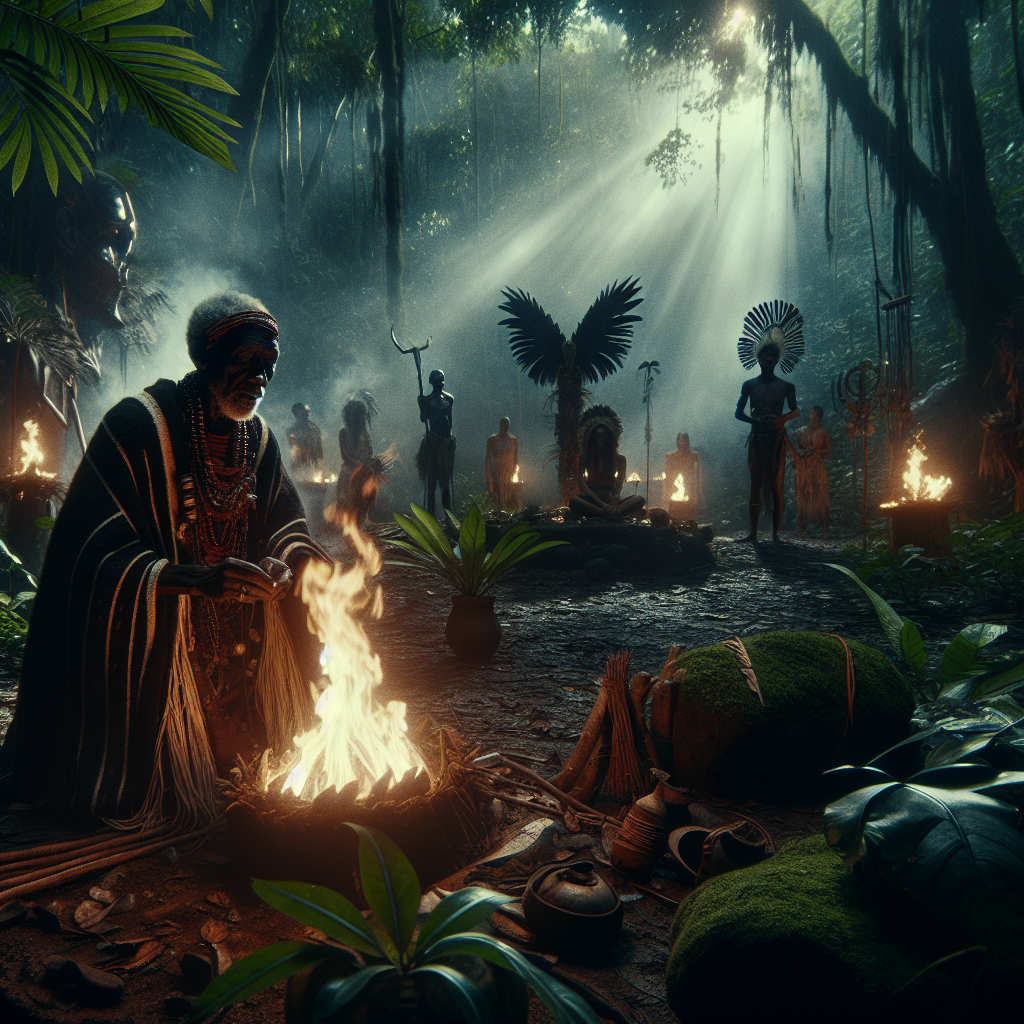
Shamanism is one of the world’s oldest spiritual practices, rooted in a profound understanding of the natural world and its sacred rhythms. Shamans, often seen as healers or spiritual guides, connect with the spirit realm to bring insight, healing, and balance to their communities. This sacred role echoes the prophets and healers in the Bible who, guided by divine wisdom, ministered to their people, offering messages of hope and transformation.
Indigenous Wisdom: Living in Harmony with Creation
Indigenous cultures worldwide emphasize living in harmony with the earth, acknowledging that every element of creation is alive and imbued with spirit. This beautiful perspective encourages us to treat the earth with respect and gratitude, recognizing it as a gift from the Creator—a theme resonant with Psalm 24:1, "The earth is the Lord’s, and everything in it, the world, and all who live in it."
Connection and Community
Central to both Shamanism and Biblical teachings is the value of community and relationships. Indigenous traditions teach us to view every being as part of a larger, interconnected family. Similarly, the Bible calls us to love our neighbors as ourselves (Mark 12:31), reminding us that we are all woven together in a divine tapestry of life and love.
Embracing the Sacred in the Everyday
Incorporating Indigenous wisdom into our lives invites us to see the sacred in the everyday. Whether through prayer, meditation, or simply appreciating the beauty around us, we can cultivate a deeper awareness of the divine presence that dances through all things. The Bible encourages this mindfulness as well, urging us to "Rejoice always, pray continually, give thanks in all circumstances" (1 Thessalonians 5:16-18).
A Call to Stewardship
Both spiritual paths call us to be stewards of the earth, nurturing life in all its splendid diversity. As caretakers of God’s creation, we are inspired to act with compassion and responsibility, ensuring the well-being of generations to come.
Inspiration for the Journey
Embracing Shamanism and Indigenous wisdom doesn’t mean leaving behind our faith; rather, it enriches our spiritual journey, deepening our understanding of God’s creation. By honoring these ancient teachings, we open our hearts to new dimensions of love, community, and stewardship.
Let us walk this sacred path with joy and gratitude, inspired by the wisdom of those who have walked before us, and guided by the light of God’s eternal love. Together, we can cultivate a world where every creature, every soul, is celebrated as part of the beautiful, divine whole.
Blessings to you all on this joyous journey of discovery and connection! May you find peace, inspiration, and a deeper sense of purpose as you weave these truths into your life.
Explore and dig up answers yourself with our BGodInspired App. Be careful – each interaction is like a new treasure hunt… you can get lost for hours 🙂
Q&A about Shamanism and Indigenous Wisdom
Q: What is shamanism?
A: Shamanism is a spiritual practice found in many indigenous cultures that involves a practitioner reaching altered states of consciousness in order to interact with the spirit world and channel these transcendental energies into this world.
Q: Who are shamans?
A: Shamans are considered healers, guides, and intermediaries between the human and spiritual realms. They often perform rituals, heal the sick, and provide insights and wisdom to their communities.
Q: What role does nature play in indigenous wisdom?
A: Nature is central to indigenous wisdom, as it is seen as a living entity with which humans share a deep connection. Respecting and living in harmony with the natural world is fundamental to many indigenous belief systems.
Q: How do shamans enter altered states of consciousness?
A: Shamans may use methods such as drumming, chanting, fasting, meditation, or the use of entheogenic plants to enter altered states of consciousness for spiritual journeys.
Q: What is a power animal in shamanism?
A: A power animal is a spirit guide in animal form that provides protection, guidance, and wisdom to the shaman or their community. They symbolize qualities that are beneficial to the individual’s path.
Q: How is storytelling important in indigenous cultures?
A: Storytelling is a vital method of passing down knowledge, traditions, morals, and history. It serves as a means to educate and preserve cultural identity across generations.
Q: Can anyone become a shaman?
A: Typically, becoming a shaman involves a calling, often through spiritual experiences or guidance, along with extensive training and initiation. It is not a role that is casually chosen.
Q: What is the role of rituals in shamanism?
A: Rituals are pivotal in shamanism for healing, community bonding, and maintaining harmony with the spirit world. They often mark significant life events or transitions.
Q: How do indigenous cultures view the concept of interconnectedness?
A: Many indigenous cultures emphasize the interconnectedness of all living things, believing that every action affects the entire web of life. This belief fosters mutual respect and cooperation.
Q: What are some common practices in shamanic healing?
A: Shamanic healing might involve soul retrieval, extraction of negative energies, the use of medicinal plants, and spiritual counseling to restore balance and well-being.
Q: Is shamanism a religion?
A: Shamanism is more accurately described as a practice or spiritual technology rather than a religion, as it lacks dogma and can coexist with various religious beliefs.
Q: How is indigenous wisdom relevant today?
A: Indigenous wisdom provides insights into sustainable living, community connections, and spiritual well-being. It offers alternative perspectives on ecology, health, and social harmony.