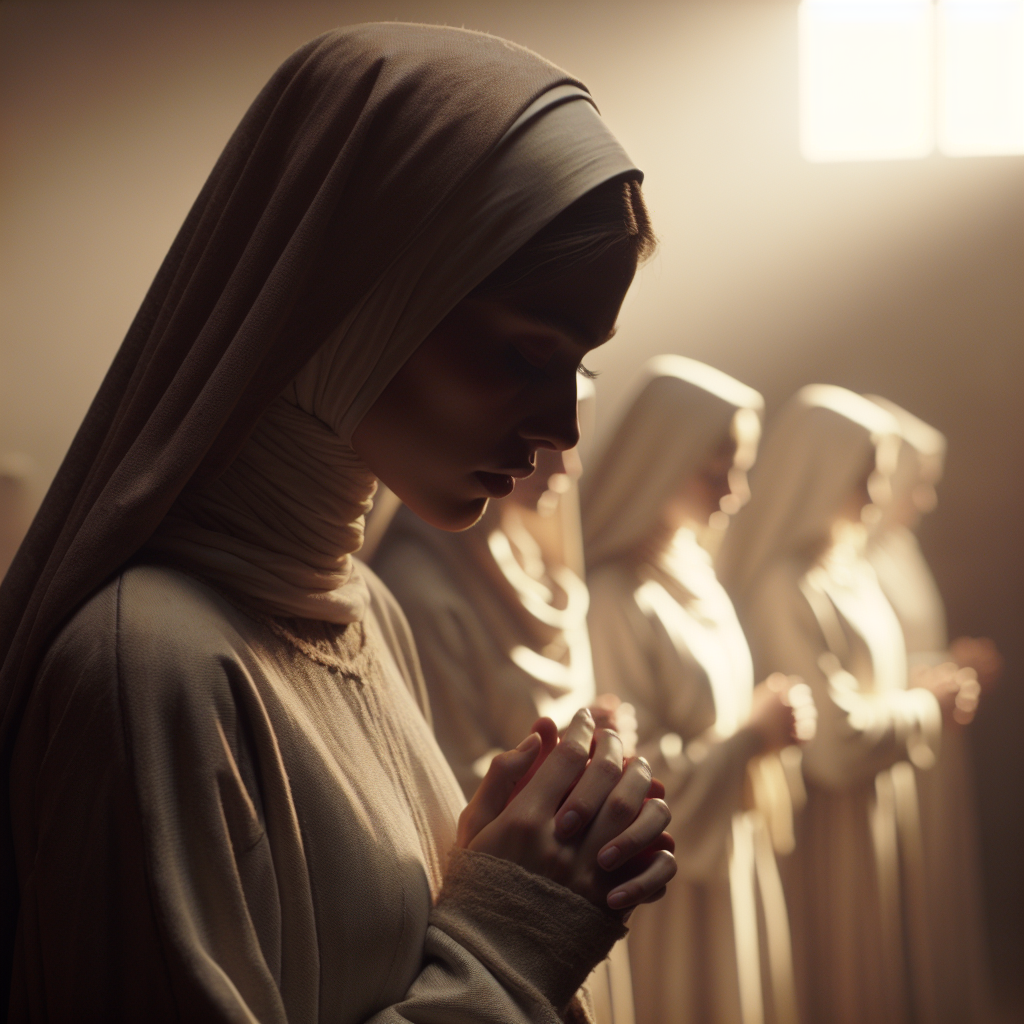
Short Devotional about Modesty
Introduction
In a world brimming with noise and complexity, finding solace in simplicity and humility is a gift. Modesty is an often-overlooked virtue that promises peace and integrity in our lives. It’s not just about our outward appearance but the posture of our hearts. When we embrace modesty, we reflect God’s love and grace, inviting others to see His light.
Imagine the impact of living with a heart that values modesty. How could this transform your relationships, your self-image, and your peace of mind? Let’s dive into this devotional and discover how modesty can be a profound blessing in our walk of faith.
Bible Verse
“Your beauty should not come from outward adornment, such as elaborate hairstyles and the wearing of gold jewelry or fine clothes. Rather, it should be that of your inner self, the unfading beauty of a gentle and quiet spirit, which is of great worth in God’s sight.” — 1 Peter 3:3-4 (NIV)
Meaning
This verse serves as a gentle reminder that true beauty radiates from within. In a culture that often emphasizes external appearance, God invites us to focus on the heart. Modesty isn’t about rejecting beauty but about prioritizing the traits that truly matter.
The “gentle and quiet spirit” mentioned in 1 Peter is not about silence or passivity but about a heart at peace, rooted in God’s love. Such a spirit speaks volumes, drawing others in with its genuine warmth and depth.
When we cultivate this inner beauty, we mirror God’s character. Modesty in spirit and action reflects a deep-seated confidence in who we are in Christ, unaffected by the ever-shifting standards of the world.
Actions to Take
– Reflect on areas where God is calling you to embrace simplicity and authenticity in your life.
– Practice gratitude daily, appreciating the inner qualities God has blessed you with.
– Encourage others by affirming their inner beauty and strengths.
– Reevaluate your social media usage, ensuring it reflects your authentic self.
– Seek opportunities to serve others with a humble and cheerful heart.
Journal Prompts
– What does modesty mean to you personally?
– How can you cultivate a “gentle and quiet spirit” in your daily life?
– Reflect on a time when you felt peace by embracing simplicity.
– In what ways can you use your inner beauty to impact others positively?
– How does focusing on inner beauty change your perspective on external pressures?
Prayer
Heavenly Father, thank You for the reminder that true beauty comes from within. Help me to cultivate a gentle and quiet spirit that honors You. Guide me to live modestly, embracing simplicity and authenticity. May my life reflect Your love and grace, and may I find joy in who I am in You. Amen.
Social Posts
– “True beauty is rooted in a gentle spirit and a heart at peace. 🌿 #InnerBeauty #Modesty”
– “Let’s redefine beauty and embrace the values that truly matter. 💖 #GracefulLiving #Modesty”
– “Focusing on God’s view of me brings joy and authenticity to my life. ✨ #GodsPerspective #Authenticity”
– “Modesty is not just about appearance but the posture of the heart. ❤️ #HeartPosture #FaithJourney”
– “In simplicity, we find clarity and peace. 🌼 #SimpleLiving #PeaceOfMind”
Conclusion
As we embrace modesty, we open our hearts to the deeper beauty God sees in us. This leads to a more joyful, peaceful life, where our worth isn’t tethered to the world’s shifting sands but anchored in God’s unchanging love.
We hope this devotional inspires you to explore the power of modesty in your own life. Continue your journey with us at BGodInspired.com, where we explore themes that enrich our walk with God, cultivating inner beauty that reflects His glory.
If you want to want to know more about this topic, check out BGodInspired.com or check out specific products/content we’ve created to answer the question at BGodInspired Solutions
Q&A about Modesty
Certainly! Here’s a Q&A based on the concept of modesty:
Q1: What is modesty?
A1: Modesty is a virtue that involves humility, simplicity, and a lack of arrogance. It often refers to a manner of dressing, behaving, or presenting oneself in a way that is not intended to attract excessive attention.
Q2: How does modesty manifest in clothing?
A2: In clothing, modesty is often about wearing attire that is not revealing and respects cultural or religious norms. Modest clothing typically covers the body more fully and avoids flashy or provocative elements.
Q3: Can modesty vary across cultures?
A3: Yes, modesty can vary widely across cultures. What is considered modest in one culture might not be viewed the same way in another. Cultural traditions, religious beliefs, and societal norms all influence perceptions of modesty.
Q4: Why is modesty considered important in some religions?
A4: Many religions value modesty as it reflects humility and respect for oneself and others. It is often seen as a way to honor religious teachings and maintain a focus on inner virtues rather than outward appearances.
Q5: Is modesty only related to clothing?
A5: No, modesty is not limited to clothing. It also relates to one’s behavior and attitude, emphasizing humility, respectfulness, and avoiding pretentiousness or boastfulness.
Q6: How can one practice modesty in communication?
A6: Practicing modesty in communication involves being mindful of how one speaks, avoiding bragging or exaggerating achievements, and listening actively to others. It means valuing others’ opinions and contributing to discussions without dominating them.
Q7: Can modesty impact self-esteem?
A7: Modesty can impact self-esteem positively by fostering a sense of contentment with oneself and reducing the pressure to seek external validation. However, if taken to an extreme where it suppresses self-worth, it can be detrimental.
Q8: Are there any common misconceptions about modesty?
A8: One common misconception is that modesty equates to a lack of confidence or self-expression. In reality, modesty can coexist with strong self-assurance and individual expression. It’s about balance and intention rather than suppression.
Feel free to ask more or specify any aspect for further exploration!