Short Bible Study with me about Matthew 9:13
Introduction
Welcome, dear reader, to a journey through one of the most profound truths shared by Jesus in the Gospel of Matthew. In a world that often demands perfection and productivity, it’s refreshing to come across a message that invites us to focus on mercy and compassion. It reminds us that in our pursuits of righteousness, what truly matters are the intentions of our hearts.
As you read on, prepare to be encouraged and challenged to view life through a lens of grace—both towards yourself and others. In this study, we’ll unwrap the layers of Matthew 9:13 and discover how to live out its truth in our daily walk with God. Are you ready to deepen your understanding and see transformation in your spiritual journey?
Bible Verse
Matthew 9:13 (NIV): "But go and learn what this means: ‘I desire mercy, not sacrifice.’ For I have not come to call the righteous, but sinners."
Meaning
Matthew 9:13 encapsulates Jesus’ call to focus on the heart of God’s desire—mercy over ritualistic sacrifice. This verse is a powerful reminder that God values our compassion for others above the mere performance of religious duties. During Jesus’ time, the Pharisees often emphasized adherence to tradition and the law, sometimes at the expense of grace and kindness.
This message was a direct challenge to the mindset that equated holiness with strict rule-following, while neglecting the deeper essence of God’s laws—love and mercy. Jesus aimed to shift focus from outward religiosity to inward transformation. By emphasizing mercy, He teaches us that acts of love and compassion are integral to true worship.
Moreover, the statement that He has come not to call the righteous, but sinners, reveals Jesus’ mission to reach those who recognize their need for God. It’s an invitation to all who feel inadequate or flawed, reassuring that God’s grace is abundant and accessible to those who sincerely seek His mercy.
Actions to Take
-
Practice Compassion: Extend kindness and understanding to someone in your life who may be struggling or feeling outcast. Offer a listening ear or a helping hand.
-
Reflect on Your Intentions: Before engaging in any religious practice, pause to align your heart with love and mercy.
-
Forgive Freely: Identify someone you’ve held a grudge against and choose to release them, understanding that forgiveness is an act of mercy.
-
Volunteer Your Time: Get involved in a local charity or community organization to serve others selflessly.
-
Pray for Transformation: Ask God to cultivate a heart in you that prioritizes love over ritual and mercy over judgment.
Journal Prompts
-
Reflect on a time you prioritized ritual over mercy. How might you approach the situation differently now?
-
What does mercy mean to you in your personal walk with God?
-
Identify areas of your life where you need to extend mercy—to yourself or to others.
-
How do you feel knowing that Jesus came for those who recognize their need for Him?
-
Write about a way you can show mercy to someone in your life this week.
Prayer
Dear Lord, I humbly come before You, acknowledging that I often get caught up in outward appearances rather than the posture of my heart. Please help me to prioritize mercy over sacrifice and to see others through Your compassionate eyes. Transform me, O God, to love genuinely and extend grace to myself and those around me. Thank You for calling me, not because I am righteous, but because I seek Your mercy. Amen.
Social Posts
-
Feeling worn out by expectations? Remember, God desires mercy over mere sacrifice. #Matthew913 #GodsMercy #GraceOverRitual
-
Struggling with forgiveness? Let go and let God’s mercy flow through you. #ForgiveAndBless #HeartOfMercy
-
Jesus came for those who need Him—here’s to finding grace in our weaknesses. #GraceSeeker #MercyMatters
-
A merciful heart shines brighter than a checklist of sacrifices. Choose compassion today! #KindnessCounts #LoveLikeJesus
Conclusion
Through Matthew 9:13, we learn that God’s heart beats for mercy and compassion. By focusing more on the state of our hearts than on our ritualistic practices, we align ourselves with His divine purpose. This passage not only enlightens us but also encourages us to live out the transformative power of mercy in our daily lives.
Continue your journey with us at BGodInspired.com, where each study is an invitation to go deeper in your understanding and practice of faith. Together, let’s grow in grace, love, and wisdom to make a lasting impact in our world.
Explore and dig up answers yourself with our BGodInspired Bible Tools! Be careful – each interaction is like a new treasure hunt… you can get lost for hours 🙂
Q&A about Matthew 9:13
Certainly! Matthew 9:13 is a verse from the New Testament of the Bible. Here’s a Q&A based on this verse:
Question 1: What does Matthew 9:13 say?
Answer: Matthew 9:13 (NIV) states: "But go and learn what this means: ‘I desire mercy, not sacrifice.’ For I have not come to call the righteous, but sinners."
Question 2: To whom is Jesus speaking in Matthew 9:13, and in what context?
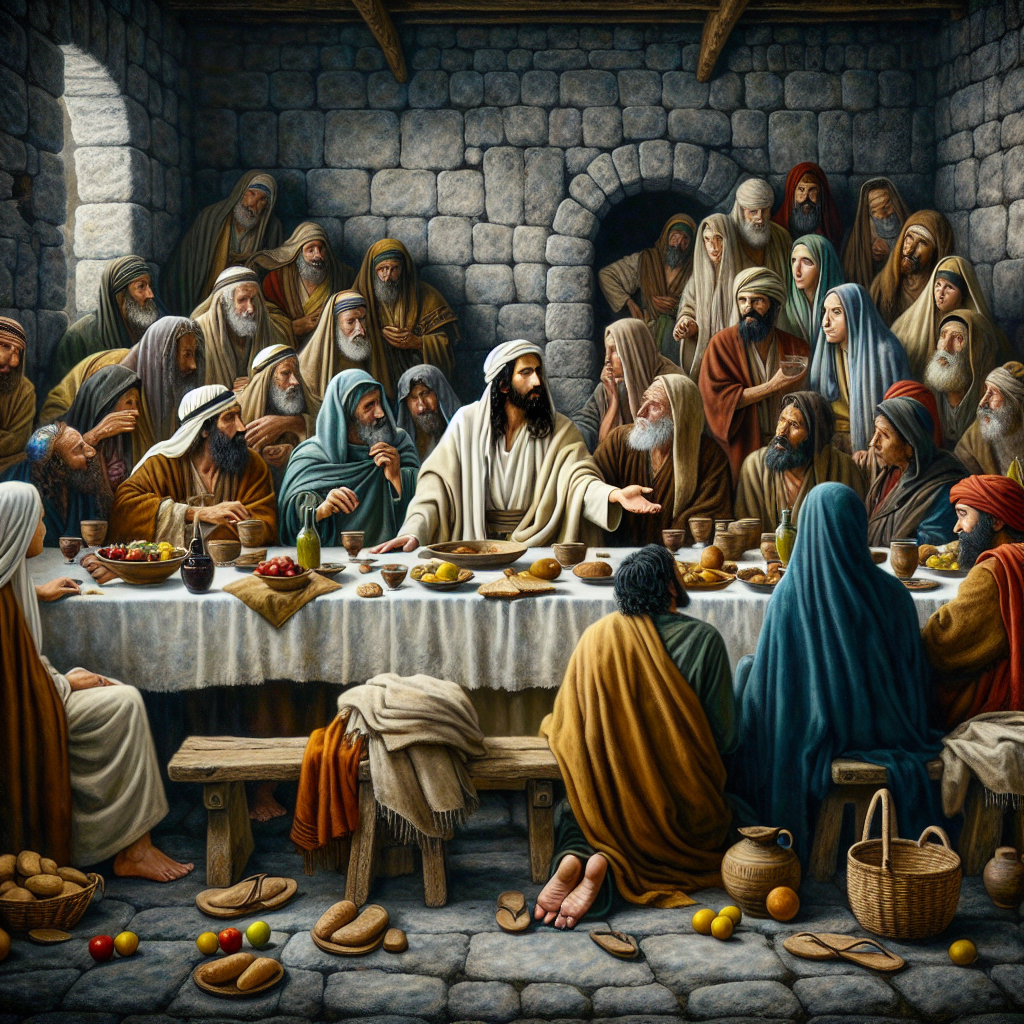
Answer: In Matthew 9:13, Jesus is speaking to the Pharisees. The context is a dinner at Matthew’s house, where Jesus is eating with tax collectors and sinners. The Pharisees question why Jesus associates with those deemed socially and religiously unacceptable, prompting His response.
Question 3: What is the significance of Jesus quoting "I desire mercy, not sacrifice"?
Answer: Jesus quoting "I desire mercy, not sacrifice" emphasizes the importance of compassion and mercy over ritualistic practices. It highlights that God values love and mercy towards others more than mere adherence to religious rituals without genuine compassion.
Question 4: How does Matthew 9:13 reflect Jesus’ mission on earth?
Answer: Matthew 9:13 reflects Jesus’ mission to reach beyond the self-righteous and to offer grace and salvation to those who acknowledge their need for forgiveness. It underscores His purpose of calling sinners to repentance rather than simply affirming those who consider themselves righteous.
Question 5: What Old Testament reference is Jesus making in this verse, and what is its original context?
Answer: Jesus is referencing Hosea 6:6, where God expresses a preference for love and knowledge of Him over burnt offerings. The original context criticizes Israel for observing religious rituals without sincere devotion or love for God and others, similarly to how Jesus challenges the Pharisees’ priorities.
Feel free to ask for more in-depth exploration or additional questions related to this passage!