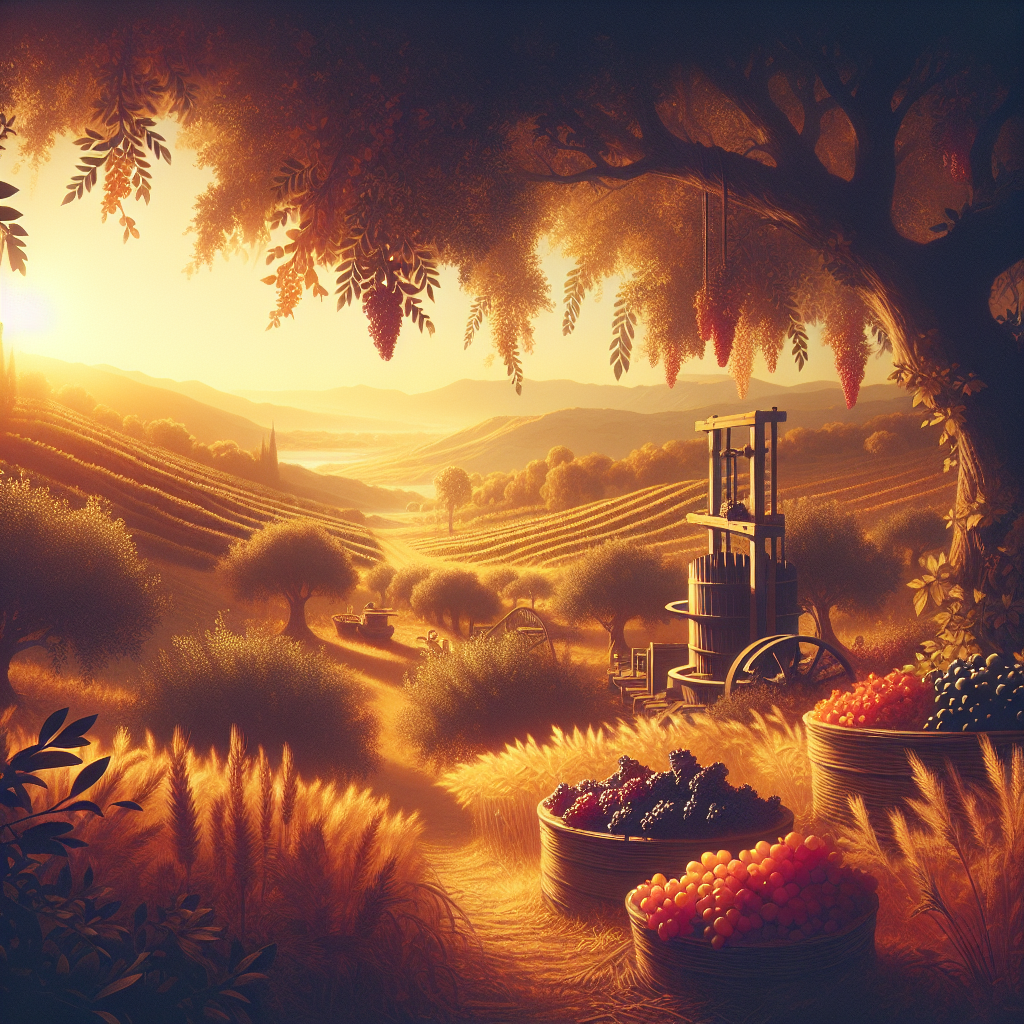
Short Bible Study with me about Haggai 2:19
Introduction
Have you ever noticed how life can sometimes feel like a barren field, holding potential but not yet flourishing? The truth is, just as a gardener seeds a plot of land in anticipation of a harvest, we also find ourselves planting seeds in the soil of our daily lives. There are seasons when it seems like the seeds are slow to sprout, and we wonder if our labor and patience will ever bear fruit. It’s during these moments that we need a reminder of God’s promise of growth and abundance.
In the book of Haggai, God encourages His people to trust Him with their fields and futures. Are you ready to see a transformation in your life? God’s promises are ready to be fulfilled. With faith and obedience, you can step into a season of growth and overflowing blessings. Hang on tight! This study is going to inspire you to keep sowing seeds and anticipate the harvest that God is preparing just for you.
Bible Verse
“Haggai 2:19: Is the seed yet in the barn? Yea, as yet the vine, and the fig tree, and the pomegranate, and the olive tree, hath not brought forth: from this day will I bless you.”
Meaning
Haggai 2:19 delivers a profound message to the people of Israel—and to us. At this moment in time, the Israelites were in the process of rebuilding the temple. They had obeyed God’s command to prioritize His house over their own agendas. However, their fields and trees were not yet producing fruit. In this verse, God reminds them that despite the current lack of visible results, He is about to bless them: “from this day will I bless you.”
The phrase “Is the seed yet in the barn?” suggests that the physical seeds are not yet sown, but something significant is about to happen. It’s a prompt to trust in God’s timing and to understand that blessings often follow obedience. God reassures His people that they should expect His blessings even though their circumstances don’t currently show it.
God’s promise to bless us isn’t always immediate in human terms, but it is guaranteed. This passage reminds us to act in faith and expect God’s abundant blessings even when our fields appear barren. The emphasis is on recognizing the shift in the spiritual realm that takes place when we align our actions with God’s will.
Actions to Take
– Reflect on areas of your life where you’ve been sowing seeds. Trust God’s timing for the harvest.
– Align your daily choices with God’s will. Obedience invites His blessings.
– Identify something you’ve placed on hold out of fear or doubt. Take a faith-driven next step.
– Recognize the blessings around you, even small ones, and express gratitude.
– Surround yourself with a community of faith to encourage you when waiting seems long.
Journal Prompts
– In what areas of your life do you feel like you’re waiting for seeds to sprout?
– Reflect on a time when you experienced a delayed blessing. How did it impact your faith?
– What blessings has God already provided that you might be overlooking?
– How can you practice obedience in your daily life to align with God’s promises?
– Write about a dream or aspiration where you’re trusting God for the harvest.
Prayer
Dear Lord, thank You for Your promises and for the reassurance that You will bless me in Your perfect timing. Help me to act in obedience and faith, trusting that the seeds I am planting will grow into abundant blessings. God, give me patience and peace as I wait, and open my heart to recognize the blessings You have already poured into my life. Amen.
Social Posts
– 🌱 “Even if the seed is still in the barn, have faith! God’s blessings are on the way. #Haggai219 #FaithAndHarvest”
– 🙏 “Trust the Lord of the harvest—every seed you plant in faith will be blessed! #GodsTiming #AbundantBlessings”
– ✨ “Obedience + Faith = A harvest of blessings from today onward. Are you ready? #BiblePromise #Haggai219”
– 💡 “The wait might be long, but God’s blessings are guaranteed! Keep sowing, keep trusting. #FaithfulGod #Haggai”
– 🚀 “From this day forward, expect God’s blessings. Will you trust His timing? #SeedToHarvest #FaithJourney”
Conclusion
As we’ve explored, Haggai 2:19 reassures us of God’s readiness to bless us even when we cannot see the harvest immediately. By aligning our actions with His commands, we prepare not just to receive, but to overflow with His abundance. Remember, God’s blessings may not operate on our timetable, but they are always on time.
May this study inspire you to continue sowing seeds with expectation and joy. Join us for more enriching Bible studies at BGodInspired.com and embrace the journey towards the abundance God has promised us. Your next harvest is just around the corner!
Explore and dig up answers yourself with our BGodInspired Bible Tools! Be careful – each interaction is like a new treasure hunt… you can get lost for hours 🙂
Q&A about Haggai 2:19
Certainly! Here’s a Q&A based on Haggai 2:19, which says:
"Is the seed yet in the barn? Yea, as yet the vine, and the fig tree, and the pomegranate, and the olive tree, hath not brought forth: from this day will I bless you." (KJV)
Q1: What is the overall context of Haggai 2:19?
A1: Haggai 2:19 is part of a prophetic book where the prophet Haggai delivers God’s messages to the Jewish people who have returned from Babylonian exile. In this chapter, Haggai is addressing the people’s neglect in rebuilding the Temple and is encouraging them by reminding them of God’s blessings. This verse signifies a turning point, where God promises blessings starting from this day, despite past struggles.
Q2: What is the significance of the question "Is the seed yet in the barn?"
A2: The question "Is the seed yet in the barn?" reflects the status of the people’s harvest and agricultural efforts, indicating past scarcity or lack of production. It implies a period of waiting or barrenness before the harvest. It is a rhetorical question intended to highlight the point that despite the current lack, God is about to bring blessings.
Q3: Why mention the vine, fig tree, pomegranate, and olive tree specifically?
A3: The vine, fig tree, pomegranate, and olive tree are significant agricultural products in ancient Israel, symbolizing prosperity and abundance. By referencing these specific plants, Haggai underscores the current unproductive state of the land, which is about to change due to God’s forthcoming blessing. They are staples for sustenance and prosperity, representing God’s provision.
Q4: What does the phrase "from this day will I bless you" indicate?
A4: This phrase is a divine promise of imminent blessing and marks a pivotal moment of change. It signifies God’s willingness to bestow prosperity and success upon the people from that day forward, contingent on their actions and renewed dedication to rebuilding the Temple. It offers hope and assurance that their obedience will be rewarded.
Q5: How does Haggai 2:19 relate to the theme of renewal and obedience in the book of Haggai?
A5: Haggai 2:19 relates to the theme of renewal and obedience as the book encourages the Israelites to prioritize the construction of the Temple and be faithful to God’s commands. It serves as an assurance that renewed commitment and obedience will lead to divine favor and abundance, showcasing the link between spirituality and material blessings in the Hebrew tradition.
Feel free to ask more questions or request additional information!