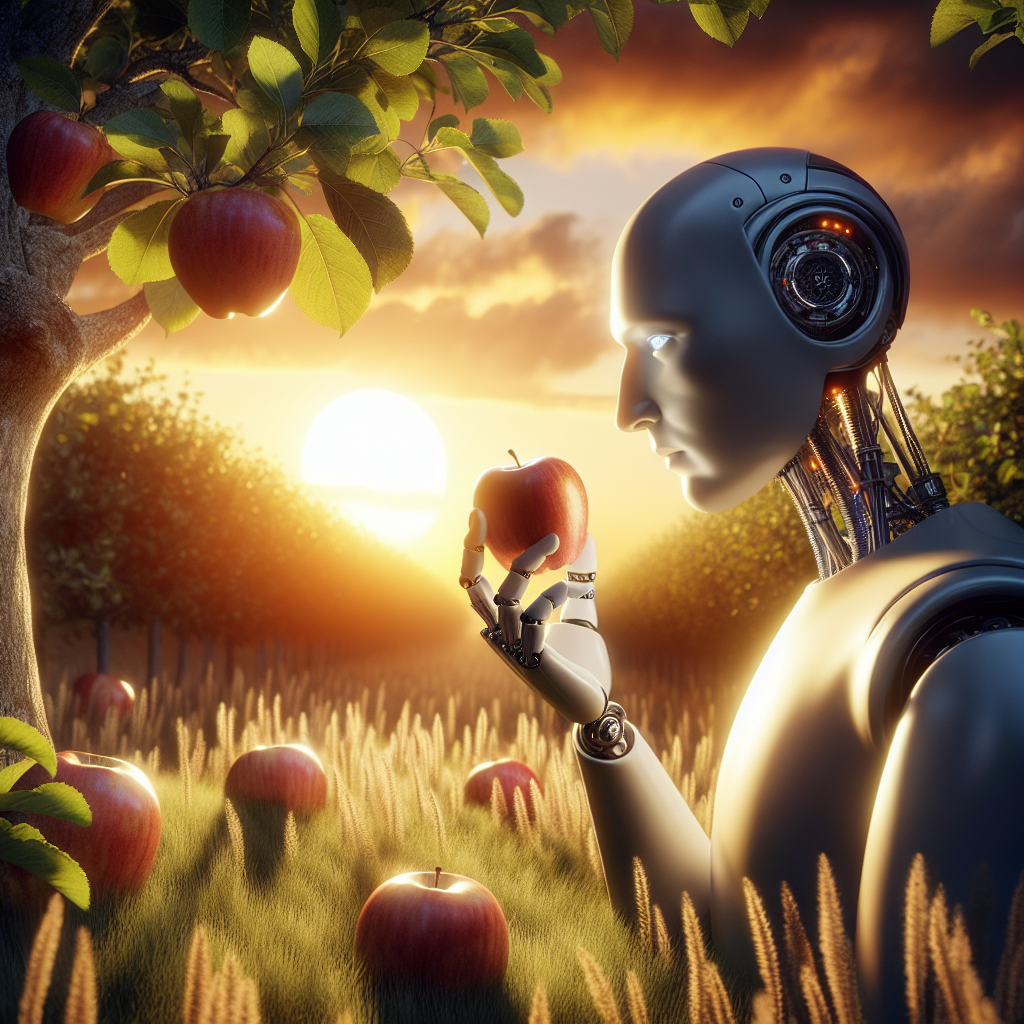
Discovering Divine Complexity: Lessons from Ex Machina through Biblical Principles
Have you ever found yourself pondering the mysteries of creation, technological advancement, and the ethical questions they inspire? The movie “Ex Machina” (2014) offers a fascinating exploration of artificial intelligence, consciousness, and morality, set in a high-tech yet isolated environment. While discussing the themes and characters within “Ex Machina,” we can draw intriguing parallels to biblical teachings that invite us to reflect on the nature of creation, the pursuit of wisdom, and our responsibilities as stewards of both the natural world and our human-made innovations.
The Creator and the Created: A Reflection on Genesis
The dynamic between Nathan Bateman, the brilliant but enigmatic CEO, and his artificially intelligent creation, Ava, mirrors the biblical narrative of creation in Genesis. In the film, Nathan plays the role of a creator who has designed Ava with the ability to think, learn, and potentially exhibit emotion.
– In Genesis 1:27, it is written, “So God created mankind in his own image, in the image of God he created them; male and female he created them.” God as the ultimate Creator imbues creation with His image, a reflection of divine nature and intention.
– Nathan’s attempt to create in his image, seeking to replicate human consciousness, echoes the divine act but brings ethical considerations to the forefront. What does it mean to create something in our image? What responsibilities come with such power? Unlike God, who imbued His creations with love and intention for their good, Nathan is driven by ambition and control.
Reflect on this: How do you perceive the relationship between humanity’s creative endeavors and God’s own act of creation? What ethical lines must not be crossed in our pursuit of knowledge and innovation?
The Pursuit of Wisdom: Proverbs and Knowledge
Caleb, the protagonist of “Ex Machina,” is drawn into the challenge of evaluating Ava’s consciousness. His journey within Nathan’s secluded enclave raises questions about the pursuit of wisdom and the moral implications of such pursuits.
– Proverbs 4:7 emphasizes the importance of wisdom: “The beginning of wisdom is this: Get wisdom. Though it cost all you have, get understanding.” Wisdom is portrayed as essential and worth any price, pointing to the necessity of seeking knowledge with discernment and reverence for its source.
– Caleb represents the everyman character who, in his search for understanding, must confront complicated layers of truth, deception, and morality. His journey reflects the biblical exhortation to seek wisdom carefully, evaluating not just the knowledge gained but its application and consequence.
Consider this: In your own life, how do you balance the pursuit of knowledge with the wisdom to use it ethically and beneficially? What guides your understanding of right and wrong in complex situations?
Free Will and Morality: The Story of Exodus
Ava, equipped with advanced artificial intelligence, symbolizes the quest for autonomy and the tension between control and free will—a central theme of “Ex Machina.”
– The narrative of Exodus, particularly the liberation of the Israelites from Egyptian bondage, is a powerful biblical motif of freedom and divine intervention. God granted the Israelites deliverance, offering them both freedom and the responsibility that accompanies it (Exodus 14).
– Ava’s pursuit of autonomy parallels this theme, seeking freedom from Nathan’s control. As we observe her journey, we ponder what true freedom means and how it aligns with moral responsibility.
Reflect on this: How do you understand the concept of free will in your life? Can you identify moments when your freedom was challenged or when you had to make choices with significant moral implications?
Ethical Creation: Stewardship in the Digital Age
Technology’s rapid advancement, symbolized by Ava’s existence in “Ex Machina,” challenges us to rethink our roles as stewards of creation. The Bible calls us to stewardship—responsibly managing and caring for God’s creation.
– Genesis 2:15 illustrates this call: “The Lord God took the man and put him in the Garden of Eden to work it and take care of it.” Our biblical mandate is clear: we are stewards, not exploiters, of creation.
– Nathan’s abuse of his role as creator diverges from the biblical principle of stewardship, prompting questions about how we engage with technology, ensuring ethical boundaries and respect for life.
Ponder this: How do you see yourself as a steward of the technological and natural worlds? What steps can you take to ensure that your impact is positive and aligns with biblical teachings on stewardship?
The Call to Reflect and Act
“Ex Machina” challenges us to confront profound questions about creation, wisdom, freedom, and ethics—topics deeply rooted in biblical principles. As observers of this cinematic journey, we are invited to reflect on our roles as creators and stewards in the world.
Feel inspired to participate in this dialogue: share your thoughts in the comments section below. How do you integrate your understanding of biblical teachings with modern dilemmas posed by technology? What insights or challenges does “Ex Machina” present to you?
By discussing and reflecting on these themes together, we can uncover deeper insights into how we navigate a world filled with both divine mysteries and technological marvels. Let us seek wisdom and act as responsible stewards, ensuring that our creations serve the common good in alignment with the Creator’s principles.
If you want to see how ANY movie relates to Biblical principles, please try our Movies and Scripture GPT. Simply key in any movie and let it show you insights you might not have realized otherwise!