 0
0
 0
0
David Janssen: A Champion of the Small Screen
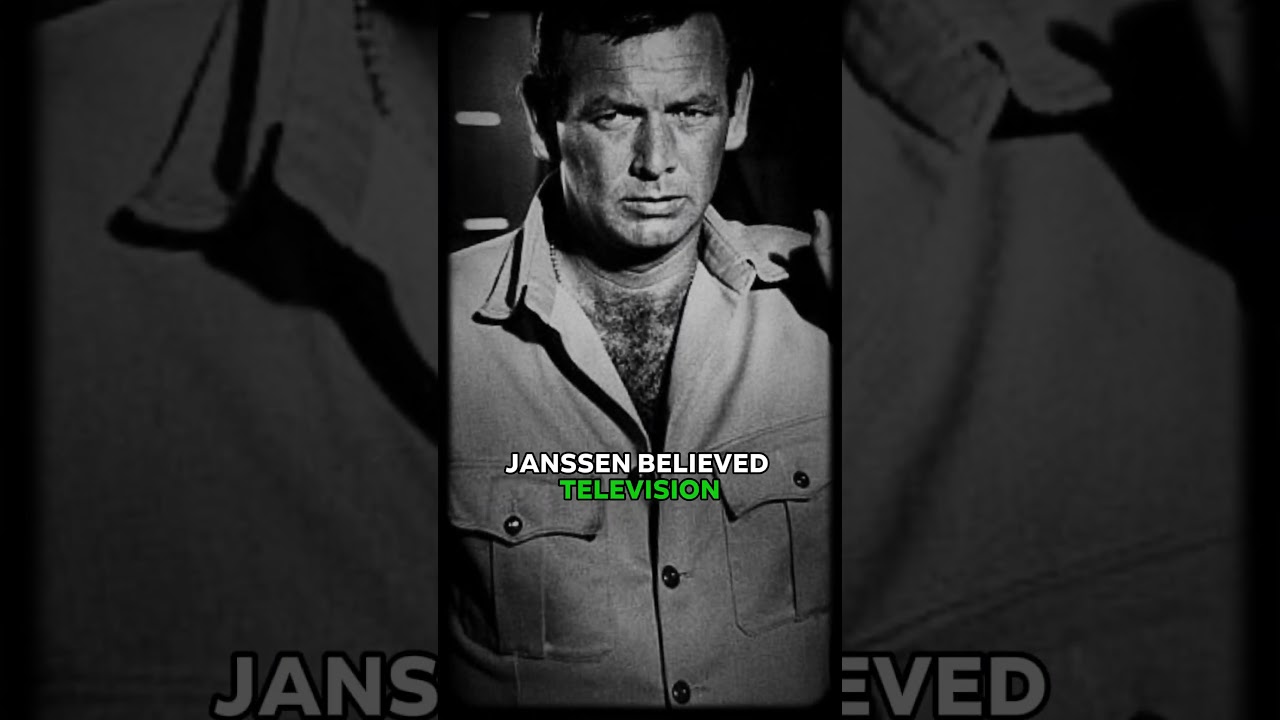
In a world saturated with criticisms aimed at television, one figure stood boldly in defense of the medium that has captured the hearts and minds of millions—David Janssen. Known primarily for his role as Dr. Richard Kimble in the iconic series The Fugitive, Janssen understood the potential of television as a platform for storytelling, exploration, and connection.
The Prophet of the Screen
Just as biblical prophets communicated truth, Covid Janssen took upon himself the mantle of a defender for television’s integrity. In his time, many dismissed the burgeoning medium as trivial, decrying it as a distraction from life’s more potent truths. Janssen, however, recognized that stories told through this new format wielded an extraordinary power; they could impart moral lessons, foster empathy, and ignite a passion for justice.
-
Janssen believed television could unite audiences through shared narratives and communal experiences.
-
He often highlighted that the small screen had the ability to deliver vital messages, similar to parables delivered by Jesus to communicate deeper truths.
Finding Purpose in Storytelling
The testament of David Janssen’s defense reminds us of the biblical calling for every believer; to share stories that enlighten, encourage, and inspire. In James 1:19, we are reminded to be quick to listen, slow to speak, and slow to become angry.
Much like the stories told on television, our personal testimonies carry profound weight.
We can reflect this sentiment by asking ourselves:
-
What story am I sharing through my actions today?
-
How do my words mirror the biblical message of love and compassion?
Encouraging Connection Through Media
As Janssen fought to elevate television’s status, he engaged in an important conversation about the responsibility of storytellers—one that resonates with us even today. Whether through screenwriting, acting, or content creation, we are called to create narratives that draw individuals closer to understanding each other and themselves, just as television allowed audiences to unearth new perspectives.
-
Forgiveness: Just as Dr. Richard Kimble sought to clear his name, we too must work towards resolving conflicts in our lives with humility and love.
-
Justice: His pursuit for truth echoes the biblical call for justice found in Micah 6:8, reminding us to act justly, love mercy, and walk humbly.
Embracing Modern Narratives
In a world that often feels divided, embracing the modern forms of storytelling—whether through television, streaming services, or podcasts—can be an avenue for connection. As believers, we are called to examine these platforms with discernment while also allowing for growth in faith and insight.
Let’s remember the words from Philippians 4:8, which encourages us to dwell on whatever is noble, right, pure, lovely, and admirable.
By aligning our consumption and creation of media with these principles, we can honor the legacy of champions like Janssen who worked tirelessly to elevate the art of storytelling, allowing it to be a vessel of hope, healing, and faith.
Conclusion: Standing Together for the Good
David Janssen’s courageous defense of television challenges us to rethink how we view media in our own lives. Rather than dismiss it as mere entertainment, we can embrace it as a tool for relationship-building and sharing God’s light with the world around us.
In a world growing more divisive, let us echo Janssen’s sentiment by defending the purpose and potential of storytelling, seeking to bring unity, love, and encouragement into our communities.
May we carry the torch he lit, ensuring our narratives—both on-screen and off—reflect the heart of our Creator. Let us be the storytellers who inspire others toward a more profound understanding of grace, truth, and love.
David Janssen Defended Television Against Critics on YouTube