 0
0
 0
0
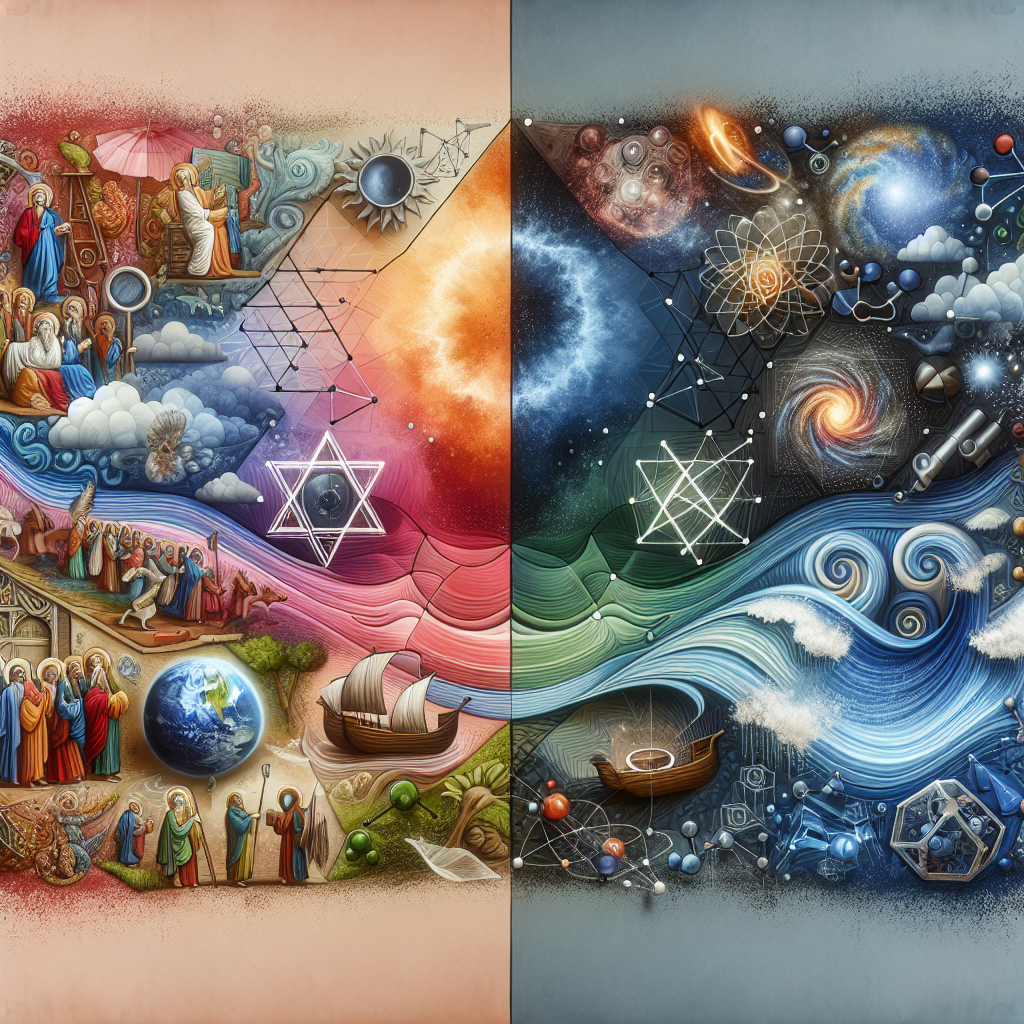
Harmonizing Creation: Exploring the Intersection of Biblical Narratives and Modern Physics
Throughout history, humanity has sought to understand the intricate tapestry of existence. From the earliest civilizations to contemporary thinkers, the quest for knowledge has intertwined with beliefs about creation and the universe. In our present age, where science and spirituality often seem at odds, the marriage of biblical narratives and modern physics provides a fascinating lens through which we can explore the nature of existence, offering insights that are both educational and uplifting.
The Biblical Narrative of Creation
The biblical account of creation, particularly as outlined in Genesis, presents a profound narrative about the origins of the universe. The verses commence with the majestic proclamation, "In the beginning, God created the heavens and the earth" (Genesis 1:1), introducing a Creator who is both powerful and intentional. The story unfolds over six days, detailing the formation of light, land, life, and ultimately humankind, who are made in the image of God.
This narrative is rich with themes of order, purpose, and intentionality. Each aspect of creation is pronounced "good," suggesting a harmonious universe where every element has a role. At its core, the biblical account invites believers to view existence not as an accident, but as a purposeful act imbued with divine significance.
The Marvels of Modern Physics
In contrast, modern physics investigates the fabric of the universe through empirical methods, revealing astounding insights about the nature of reality. Quantum mechanics, theories of relativity, and cosmology have unveiled a universe that is both complex and elegantly interconnected. For instance, Albert Einstein’s theory of relativity reshaped our understanding of space and time, showing that they are not fixed entities but dynamic and intertwined concepts.
Moreover, recent advancements in cosmology, such as the discovery of cosmic background radiation and the understanding of black holes, have led scientists to ponder the origins of the universe itself. The Big Bang theory posits that our universe originated from a singular point, exploding into existence around 13.8 billion years ago. This scientific narrative echoes the biblical notion of a beginning, inviting contemplation on the nature of time and creation.
Harmonizing Science and Faith
While some may perceive a dichotomy between biblical creation narratives and the findings of modern physics, many scholars and thinkers advocate for a more harmonious approach. This dialogue between faith and science can lead to a deeper understanding of both realms. For instance, the concept of the universe as a finely-tuned system aligns with the biblical view of a purposeful creation, where the intricacies of nature reflect the wisdom and creativity of a divine Artisan.
The theological implications of modern physics can enrich the biblical narrative. Quantum theory, for instance, highlights the interconnectedness of all things, reminiscent of the biblical idea that humanity is part of a larger creation. The relationship between particles and the universe invites reflections on the idea that each individual has a role within the grand design, underscoring the Christian belief that every human being is valuable and uniquely created.
Encouraging Exploration and Dialogue
As we stand at the crossroads of science and spirituality, it is essential to foster open discussions that celebrate curiosity and the search for truth. By engaging with both the biblical narrative and modern physics, we cultivate an environment ripe for exploration and understanding. Educational initiatives that emphasize the compatibility of faith and science can empower learners of all ages to embrace both their spiritual beliefs and their scientific inquiries.
Moreover, the pursuit of knowledge can inspire awe and reverence for the Creator. Whether we gaze through a telescope at the far reaches of the universe or explore the intricacies of a cell under a microscope, we are reminded of the beauty and complexity of creation. This sense of wonder can deepen our faith and appreciation for the world around us, instilling a commitment to stewardship and responsibility.
Conclusion
In a world often divided by contrasting ideologies, the intersection of biblical narratives and modern physics offers a profound opportunity for harmony and understanding. By exploring the nature of creation through both lenses, we can appreciate the richness of existence and the interconnectedness of all things. This journey encourages us to celebrate knowledge, embrace wonder, and foster an environment where science and faith coexist in constructive dialogue.
As we seek to understand our place in the cosmos, let us remember that the pursuit of knowledge—whether through scripture or science—is ultimately a journey towards uncovering the truth of our existence. This truth can inspire hope, creativity, and a deeper connection to the divine, leading us toward a more unified vision of our world and our purpose within it.
Explore and dig up answers yourself with our BGodInspired Bible Tools! Be careful – each interaction is like a new treasure hunt… you can get lost for hours 🙂