 0
0
 0
0
Faith and Healing: Exploring the Intersection of Biblical Principles, Scientific Discoveries, and Modern Medicine
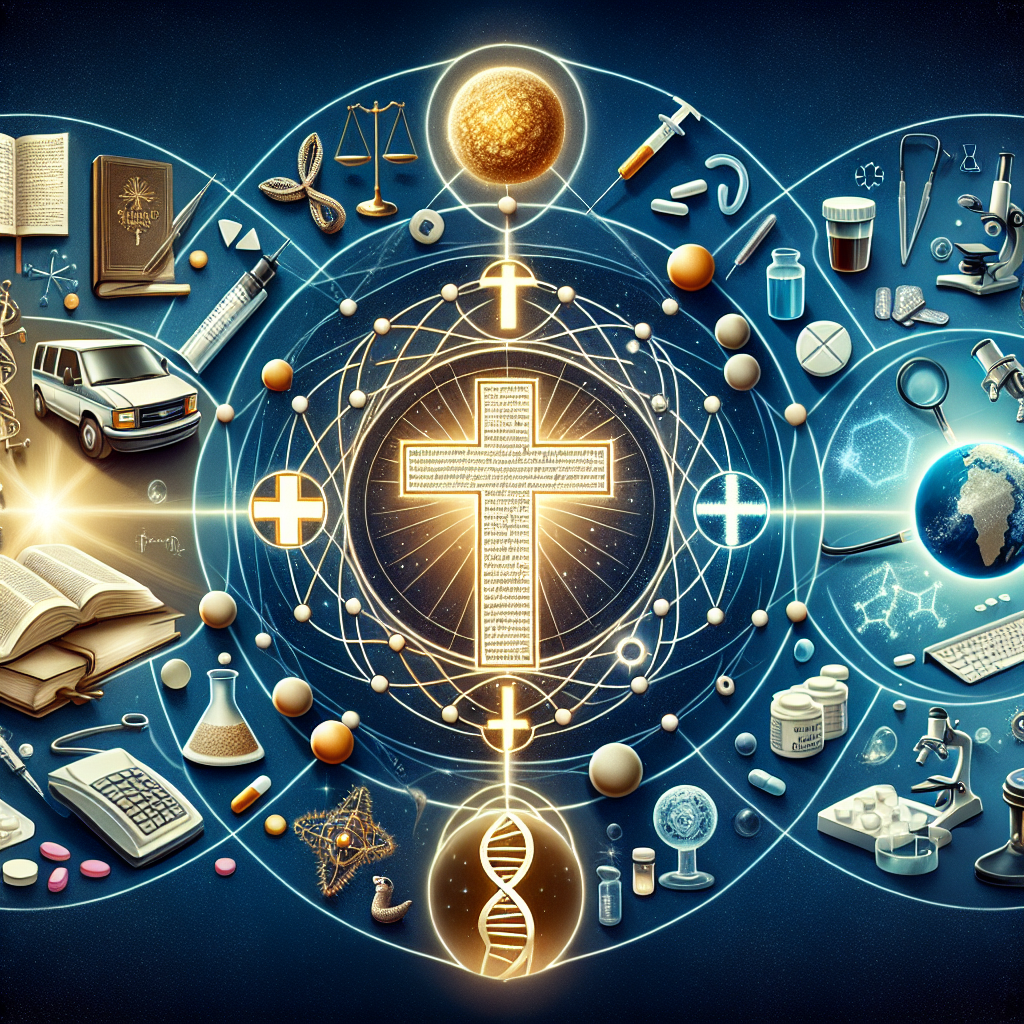
Throughout history, humanity has grappled with the profound mysteries of health, illness, and healing. While medical science has made incredible leaps in understanding physical ailments, many still seek solace in faith—a powerful, sometimes unquantifiable force that transcends circumstances. The intersection of faith and healing invites us to explore how biblical principles, scientific discoveries, and modern medicine can work together to offer holistic support for those in need.
The Biblical Foundations of Healing
The Bible is replete with narratives that emphasize the importance of faith in the healing process. From the miraculous cures performed by Jesus to the healing prayers of the apostles, biblical scripture often highlights an intrinsic connection between spiritual wellness and physical health.
In the Gospel of Matthew, for instance, Jesus tells the woman who had suffered from a bleeding condition for years, “Your faith has healed you. Go in peace and be freed from your suffering” (Mark 5:34, NIV). This interaction suggests that faith is not merely a passive belief; it is an active participant in the healing journey.
Moreover, the Bible offers insights into the broader aspects of health—mental, emotional, and spiritual. Proverbs 17:22 states, “A cheerful heart is good medicine, but a crushed spirit dries up the bones” (NIV). This verse underscores a holistic understanding of health, where joy and emotional well-being are vital components of healing.
Scientific Discoveries and the Role of Mind-Body Connection
In recent decades, scientific research has increasingly validated the profound connection between the mind and body. Studies have illustrated how emotions and stress can influence physical health, paving the way for practices such as mindfulness, meditation, and visualization techniques to gain acceptance in medical circles.
Neuroscience has shown that prayer and meditation can alter brain chemistry. When practitioners engage in these spiritual exercises, they often experience decreased cortisol levels, reduced anxiety, and improved emotional regulation. This aligns harmoniously with biblical teachings that encourage prayer as a source of comfort and support in times of trouble (Philippians 4:6-7).
The Evolution of Modern Medicine
Today’s healthcare landscape is characterized by an integrative approach that recognizes the valuable contributions of both scientific knowledge and spiritual healing. Integrative medicine combines conventional therapies with complementary practices to address the whole person—body, mind, and spirit.
For instance, hospitals and wellness centers are increasingly incorporating spiritual care into their services, employing chaplains and spiritual advisors to support patients’ emotional and spiritual needs. This evolution demonstrates a growing acknowledgment that the journey to healing often involves deep existential questions and the quest for meaning, which are often intertwined with faith.
Bridging Faith and Medicine
The narrative of faith and healing is enriched when individuals bring their spiritual beliefs into their healthcare decisions. Faith communities can play a supportive role in this framework. They offer not only a sense of belonging but also encouragement through communal prayers and shared experiences of healing.
Moreover, healthcare providers can foster discussions about spiritual needs with their patients. By encouraging patients to explore spiritual dimensions alongside medical treatments, practitioners can contribute to a more profound healing experience. This can be particularly critical in end-of-life care, where patients may seek reconciliation with their faith as they navigate their mortality.
Encouragement for the Journey
For individuals facing health challenges, integrating faith into the healing process can bring comfort and hope. Each person’s journey is unique, and while faith can provide solace, it’s vital to engage with medical professionals to create a comprehensive care plan.
Remember that healing is not always a linear path. It can be a dance of setbacks and triumphs. As James 5:14-15 encourages, “Is anyone among you sick? Let them call the elders of the church to pray over them and anoint them with oil in the name of the Lord” (NIV). Whether it’s through prayer, supportive community, or evidence-based medicine, healing often finds its way through the intertwining of faith and practice.
Conclusion
As we navigate the complex tapestry of life, we are reminded that healing is not an isolated event but a journey shaped by faith, science, and human connection. The intersection of biblical principles, scientific discoveries, and modern medicine can empower us all to embrace a holistic understanding of health. By fostering an environment where faith and medicine complement each other, we open doors to hope, resilience, and ultimately, healing. Let us encourage one another to seek this balance, celebrating the unique ways that faith can inspire courage, uplift spirits, and enhance the healing journey for all.
Explore and dig up answers yourself with our BGodInspired Bible Tools! Be careful – each interaction is like a new treasure hunt… you can get lost for hours 🙂