
 0
0
 0
0
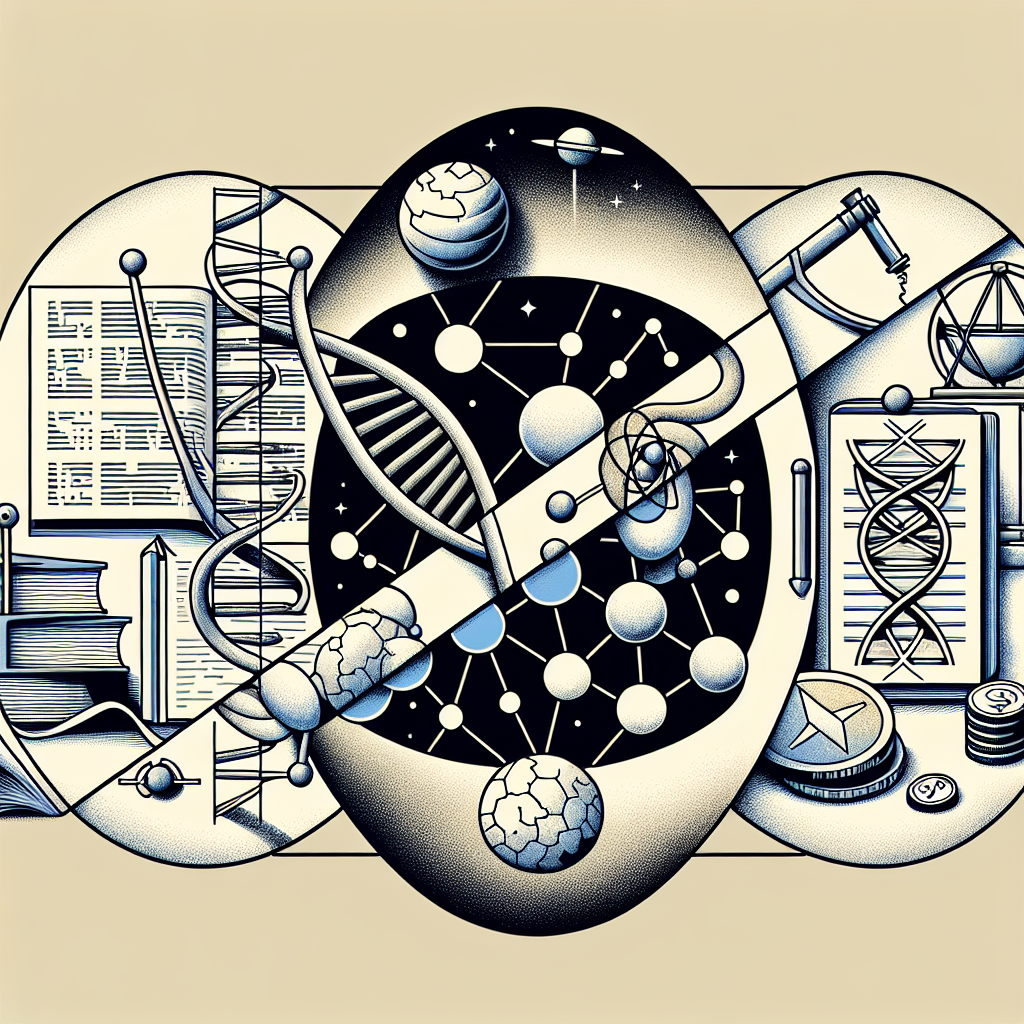
In a world characterized by rapid advancements in science and technology, the intersection of faith and fact can often seem fraught with tension. Many individuals grapple with questions surrounding the compatibility of their religious beliefs, particularly those drawn from biblical teachings, with the ever-evolving landscape of scientific discovery and the assertive claims of materialist philosophy. However, instead of perceiving these domains as mutually exclusive, we can approach them with an open heart and mind, recognizing the opportunities they provide for deeper understanding and growth.
The Richness of Biblical Teachings
Biblical teachings offer profound insights into the human condition, morality, and the nature of existence. Grounded in narratives and parables, these teachings not only encourage faith in a higher purpose but also promote values that enhance community and personal well-being. For example, concepts of love, compassion, and justice serve as moral imperatives that guide behavior and foster social harmony.
Moreover, biblical texts often encourage inquiry and exploration. Proverbs 25:2 states, "It is the glory of God to conceal a matter; to search out a matter is the glory of kings." This suggests that seeking knowledge and understanding—whether through spiritual or empirical means—is not just acceptable but commendable.
The Promise of Scientific Discovery
On the other hand, scientific discovery invites us to explore the natural world through observation, experimentation, and reason. The scientific method has led to remarkable advancements that improve our quality of life: from medical breakthroughs to technological innovations, the fruits of scientific labor are evident in our daily lives.
Science, at its core, doesn’t seek to provide moral guidance or answer existential questions but rather to explain the mechanisms of the universe. It thrives on curiosity, rational thinking, and evidence-based conclusions, promoting a systematic investigation of reality that has the power to complement, rather than contradict, faith.
The Challenge of Materialist Philosophy
Materialist philosophy, which posits that only material or physical things are real, often presents itself in stark contrast to religious beliefs. By dismissing spiritual experiences and interpretations of reality in favor of tangible evidence, materialism can create a sense of division. This perspective can leave individuals grappling with profound existential questions and searching for meaning beyond mere existence.
However, it is essential to recognize that many great thinkers, spanning from the realms of philosophy to science, have explored the intersection of materialism and spirituality. Figures like Albert Einstein suggested that science and religion can coexist harmoniously, noting that while science deals with facts and theories, religion speaks to the moral framework within which those facts are interpreted.
Finding Harmony in the Intersection
Navigating the intersection of biblical teachings, scientific discovery, and materialist philosophy calls for a thoughtful, courageous approach. Here are some ways to foster understanding and harmony among these realms:
1. Embrace Curiosity
Approach both faith and science with curiosity. Ask questions and seek answers from both perspectives. Understand that exploring the natural world does not diminish religious faith; instead, it can enhance it. Many scientists cite their awe of the universe’s complexity and beauty as a motivator for their work.
2. Find Common Ground
Recognize the values shared by both science and faith. Both seek to understand and improve the human experience. Whether through ethical frameworks derived from biblical teachings or scientific discoveries that center on human health and sustainability, both domains aspire to cultivate a better world.
3. Engage in Inclusivity
Participate in dialogues that include diverse perspectives. Engaging with individuals who hold different worldviews fosters mutual respect and understanding. By creating spaces where conversations about faith, science, and philosophy can happen, we can build bridges instead of walls.
4. Remember the Power of Love and Compassion
Biblical teachings emphasize love, compassion, and community, which resonate with the motivations behind many scientific endeavors. Whether it’s providing healthcare, addressing climate change, or improving technology in education, the ultimate goal often revolves around enhancing human connectivity and compassion.
Conclusion
The relationship between faith and fact is not a battle of ideologies; rather, it is an exquisite tapestry woven with threads of curiosity, inquiry, and understanding. By appreciating the richness of biblical teachings, celebrating the marvels of scientific discovery, and thoughtfully engaging with materialist philosophy, we can cultivate a holistic worldview that honors both the spiritual and the empirical.
Encouraged by the mysteries yet to be unveiled and the profound questions yet to be explored, let us invite faith and reason to walk hand in hand, leading us down a path of enlightenment and deeper understanding. In this journey, we not only honor our beliefs but also enrich our lives and the lives of those around us.
Explore and dig up answers yourself with our BGodInspired Bible Tools! Be careful – each interaction is like a new treasure hunt… you can get lost for hours 🙂


