 0
0
 0
0
Bridging the Divide: Exploring the Intersection of Biblical Narratives, Scientific Discoveries, and Historical Evidence
In an age where science and faith are often seen as opposing forces, a deeper exploration reveals that these two domains can indeed complement one another. Bridging the divide between biblical narratives, scientific discoveries, and historical evidence provides a framework for understanding that is not only enriching but also encouraging. This article delves into the ways in which these three elements can coexist harmoniously, offering insights into the profound stories that shape our understanding of existence.
The Power of Narrative
At the heart of biblical texts are narratives that speak to the human experience—tales of creation, moral dilemmas, and divine encounters that resonate with believers and seekers alike. The stories found in the Bible are not merely ancient records; they are messages of hope, mercy, justice, and love. These narratives provide a lens through which to understand our place in the universe and the moral framework that guides us through the complexities of life.
For instance, the Creation story in Genesis presents a profound meditation on the relationship between humanity and the cosmos. While scientific discoveries elucidate the mechanisms of the universe—from the Big Bang to evolution—biblical texts invite us to reflect on our purpose and the intrinsic value of creation. The two perspectives can coexist; one informs us about how things came to be, while the other addresses the ‘why’ behind existence.
Scientific Discoveries: Revealing the Wonders of Creation
In recent decades, scientific advancements have unlocked profound secrets of our universe. From the intricate dance of subatomic particles to the vastness of galaxies, science unveils the wonders of creation. These discoveries provide tangible evidence of the intricacies and complexities within the natural world, leading us to respect and admire the cosmos even more.
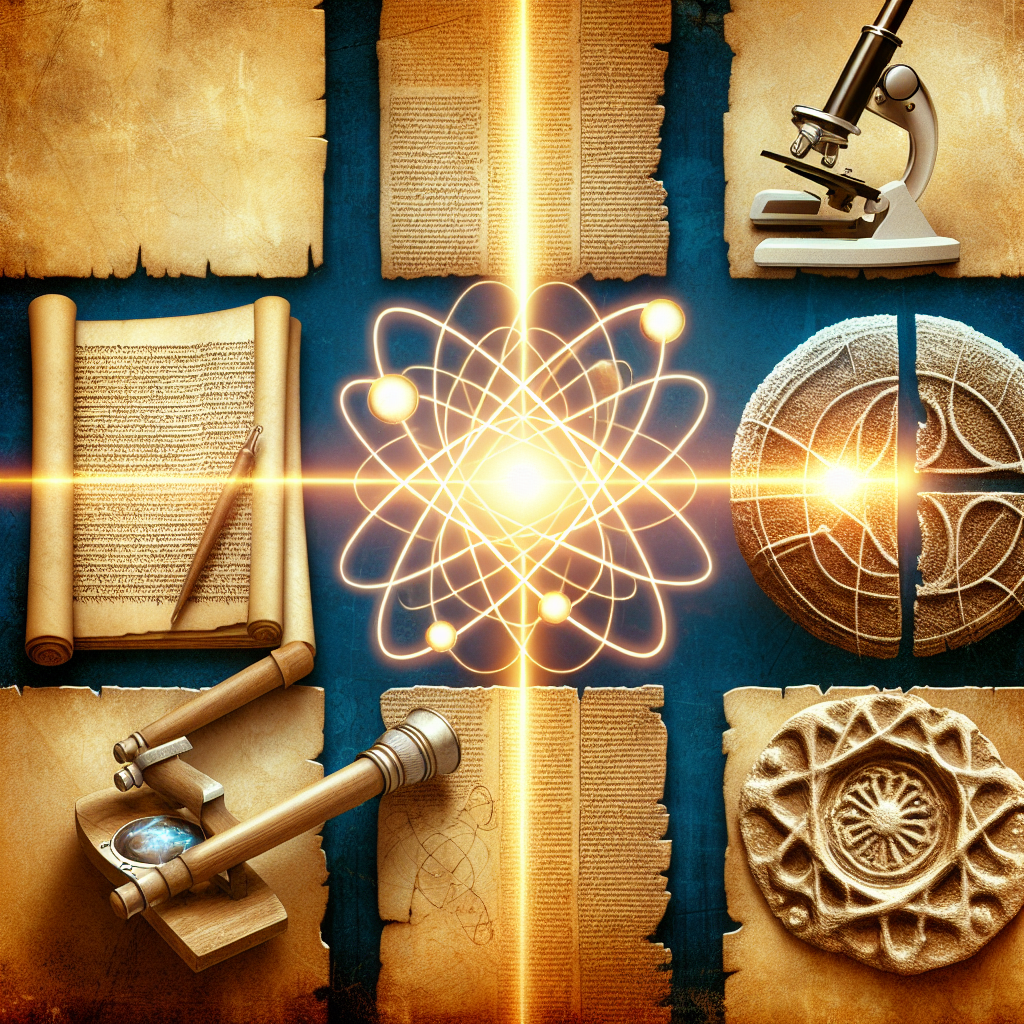
Notably, various scientific fields have begun to engage with biblical narratives, seeking common ground. For example, archaeological findings in the Holy Land have validated certain historical aspects of the Bible, providing context for stories that have been cherished for generations. Excavations in Jericho, Jerusalem, and Nazareth have unearthed artifacts that align with biblical accounts, giving tangible dimensions to narratives that previously appeared purely theological.
Historical Evidence: A Contextual Framework
The intersection of biblical accounts and historical evidence enriches our understanding of ancient texts. Scholars increasingly utilize methodologies from history and archaeology to contextualize biblical narratives. This approach serves to explore the socio-political climates during the times of key biblical figures—Moses, David, Jesus, and Paul—bringing depth to our interpretations of their actions and teachings.
Moreover, historical evidence does not seek to undermine faith but rather to illuminate it. By understanding the cultural and historical backgrounds of the Bible, we find that its messages are not confined to a particular time or place but speak greatly across the ages. They challenge us to consider how we can apply timeless wisdom to contemporary dilemmas, helping to foster a compassionate and thoughtful society.
Cultivating a Hopeful Dialogue
As we engage with the intersection of biblical narratives, scientific discoveries, and historical evidence, it is vital to cultivate a dialogue characterized by humility and respect. This dialogue offers an opportunity for people of different beliefs and backgrounds to come together in pursuit of shared knowledge and understanding.
A positive approach to bridging these divides invites individuals to ask questions rather than issue assertions. What do scientific discoveries tell us about the world? How do they align with or challenge our interpretations of sacred texts? What historical contexts can enhance our understanding of the narratives we hold dear?
Conclusion: A Journey of Discovery
In conclusion, exploring the intersection of biblical narratives, scientific discoveries, and historical evidence is not merely an intellectual exercise; it is a journey of discovery that can deepen our faith, expand our knowledge, and foster compassion. As we navigate through these discussions with an open heart and mind, we find a landscape rich with insights that encourage us to embrace both the known and the mysterious.
Together, these realms offer a more comprehensive understanding of our existence—one that nurtures hope, fosters curiosity, and inspires us to seek truth in all its forms. By bridging the divide, we can embark on a holistic journey that not only enriches our lives but also strengthens our connections with one another and the world around us.
Explore and dig up answers yourself with our BGodInspired Bible Tools! Be careful – each interaction is like a new treasure hunt… you can get lost for hours 🙂