 0
0
 0
0
Bridging Faith and Innovation: Exploring the Intersection of Biblical Teachings and Stem Cell Research
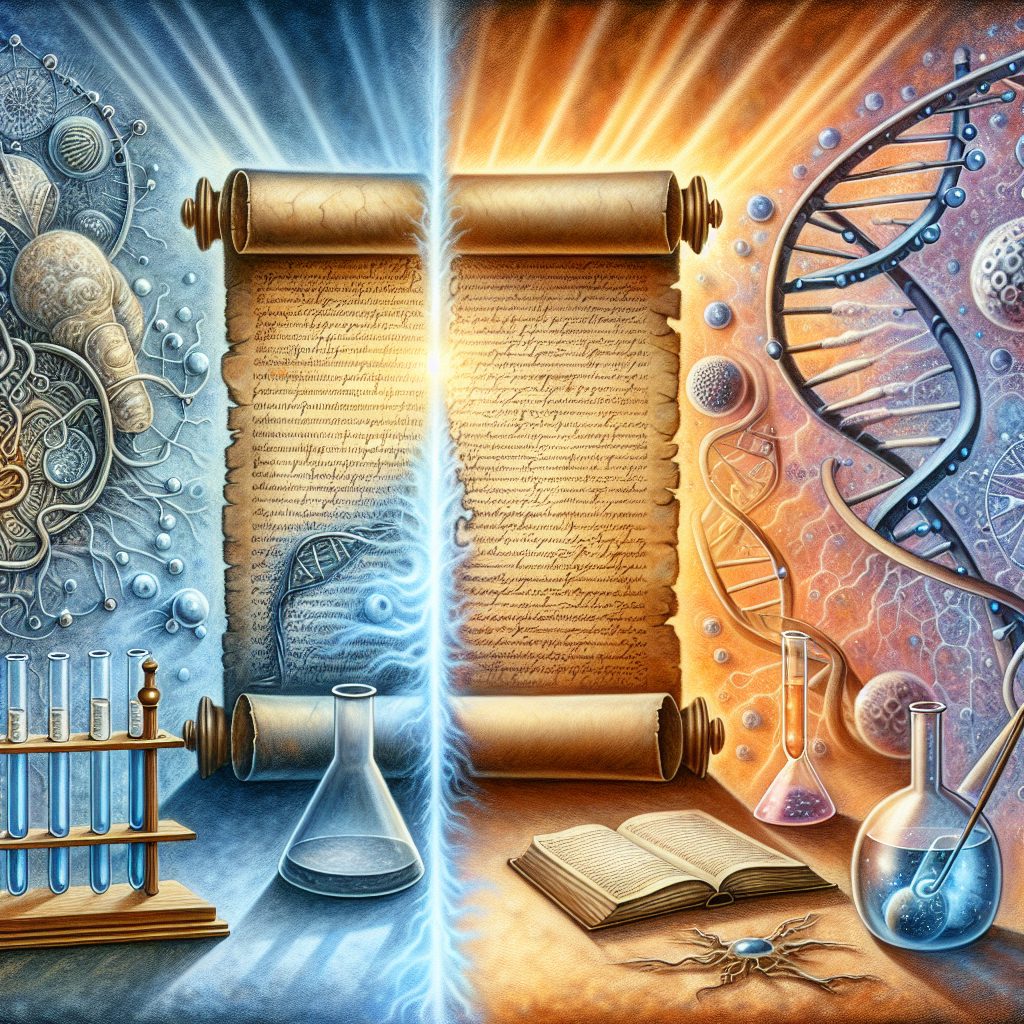
In a rapidly evolving world where scientific advancements continuously reshape our understanding of life, the intersection of faith and innovation becomes increasingly relevant. This is particularly true in the realm of stem cell research—a field that holds immense potential for healing and medical breakthroughs. The relationship between biblically-rooted ethical considerations and the pursuit of scientific knowledge offers a profound opportunity for dialogue and collaboration. By exploring this intersection, we can discover a path that honors both our spiritual heritage and our commitment to innovation and healing.
Understanding Stem Cell Research
Stem cell research involves the study of undifferentiated cells capable of developing into various cell types in the body. These “master cells” offer the potential to regenerate damaged tissues and cure diseases such as Parkinson’s, diabetes, and certain forms of cancer. The promise of stem cell therapies raises essential questions about ethics, the sanctity of life, and the moral implications of scientific experimentation.
Biblical Teachings on Life and Healing
For many people of faith, teachings from the Bible provide essential guidance on issues related to life and healing. The sanctity of life is a core principle found in many religious traditions, including Christianity. Scriptures affirm that human life is sacred—created in the image of God (Genesis 1:27). This foundation not only underscores the value of life but also emphasizes our duty to care for others and promote healing and welfare.
Verses such as Jeremiah 29:11, “For I know the plans I have for you,” remind us that each life holds purpose and potential. Consequently, the ethical discourse surrounding stem cell research can be framed through the lens of hope and healing. The use of stem cells, particularly those derived from ethically sound practices, can align with a mission to bring wellness to humanity and glorify God through acts of compassion and research.
Ethical Considerations in Stem Cell Research
The ethical landscape surrounding stem cell research is complex. A central concern for many is the source of stem cells, particularly embryonic stem cells, which may involve moral dilemmas for those who believe in the sanctity of all human life from conception. However, advancements in science have also paved the way for alternative methods, such as adult stem cell therapy and induced pluripotent stem cells (iPSCs), which do not carry the same ethical concerns.
Many religious leaders and ethicists engage in dialogues to navigate these challenges, seeking to harmonize faith and scientific progress. Historically, the humility found in scripture—recognizing our limited understanding—encourages an approach where faith informs inquiry rather than stifles it. By advocating for transparency, integrity, and a commitment to ethical research, faith communities can contribute to a more responsible scientific landscape.
A Call for Collaboration
As we stand at the crossroads of faith and innovation, an invitation emerges for scientists and theologians to collaborate. This partnership can foster frameworks that prioritize ethical research while pursuing the profound benefits of stem cell science. By creating spaces for shared dialogue, experts across disciplines can reconcile faith-based values with scientific endeavors, promoting a holistic understanding of what it means to heal and to live.
Innovative initiatives such as bioethics boards that include theologians, scientists, and patients can guide research agendas that respect life and our moral responsibilities. Additionally, educational programs that inspire the next generation of leaders in science and faith can facilitate a culture of inquiry that values both innovation and personal beliefs.
Positive Outcomes for Humanity
What stands at the forefront of stem cell research is the overwhelming potential to alleviate suffering and improve lives. Through responsible research practices, the hope is not only to innovate but to do so in a manner that reflects our highest ethical standards. The stories of healing and restoration offer optimism, reinforcing the idea that advancements in science can be a manifestation of compassion and divine purpose.
Conclusion
Exploring the intersection of biblical teachings and stem cell research illuminates pathways toward healing and moral responsibility. As science advances, bridging faith and innovation not only enriches our understanding of life but also engages our collective Conscience. By championing ethical exploration while honoring the teachings of faith, we can step into a future characterized by collaboration, compassion, and a commitment to the sanctity of life. Together, we can lead the way towards transformative outcomes that benefit humanity, demonstrating that faith and innovation can indeed coalesce into a powerful force for good.
Explore and dig up answers yourself with our BGodInspired Bible Tools! Be careful – each interaction is like a new treasure hunt… you can get lost for hours 🙂