 0
0
 0
0
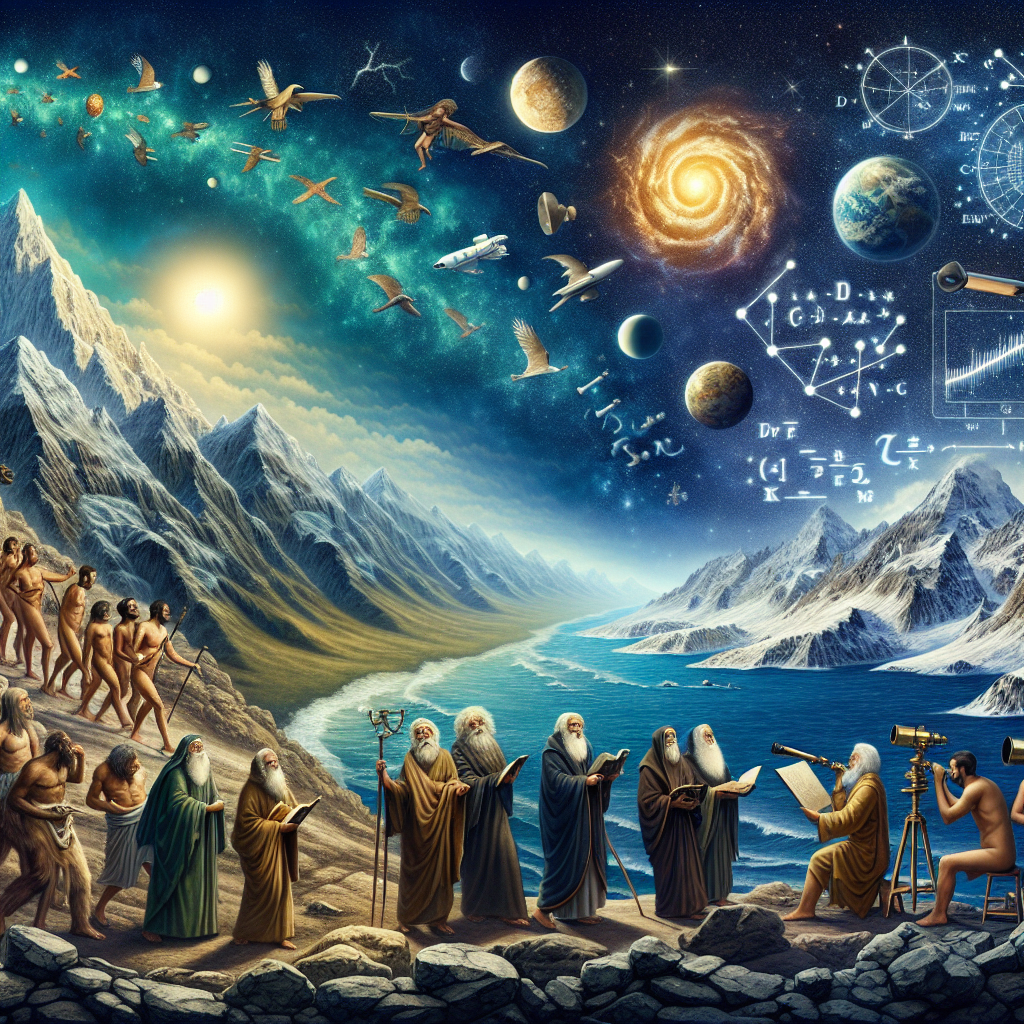
In a world that often seems divided by conflicts between science and religion, the exploration of the Earth’s age provides a unique opportunity to bridge these two realms. Understanding how the Earth was formed and how old it truly is has been a topic of fascination for centuries, drawing upon theological texts and scientific examination alike. By fostering a dialogue between faith and discovery, we can nurture a deeper understanding of our place in the universe and the incredible journey that brought us here.
The Age of the Earth: A Multi-Faceted Perspective
The scientific community largely agrees that the Earth is approximately 4.5 billion years old. This conclusion has been reached through various methods, including radiometric dating, which examines the decay of radioactive isotopes in rocks and minerals. Such scientific inquiry reflects humanity’s unyielding quest for knowledge—a desire that has driven discoveries and advances throughout history.
On the other side of the dialogue, the biblical narrative offers differing views on creation. Many passages in the Bible, particularly in Genesis, present an account of creation that has been traditionally interpreted with various theological implications. Some readers embrace a literal interpretation that suggests a much younger Earth, while others adopt a metaphorical approach, viewing the Genesis creation story as a theological framework rather than a scientific textbook.
Finding Common Ground
Recognizing that both scientific inquiry and scripture seek to answer profound questions about existence, purpose, and our environment paves the way for constructive dialogue. For instance, some theologians argue that the age of the Earth, as described by science, can coexist harmoniously with faith. They suggest that God’s creation process could take place over billions of years, which is consistent with both the scientific evidence and the idea of a divine creator who initiates and guides the process of evolution.
This harmonious positioning allows believers to appreciate the complexity of creation while acknowledging the intricacies of scientific processes that brought the Earth into being. By viewing the age of the Earth through this lens, one finds encouragement in the idea that faith and science can complement rather than contradict each other.
Lessons from the Intersection of Faith and Science
-
Curiosity as a Shared Value: Both faith and science encourage curiosity. From the theological perspective, the quest for understanding creation reflects a deep yearning to know God’s handiwork. Similarly, scientists are driven by an innate curiosity to unravel the mysteries of the universe. Embracing this common foundation can help bridge the gap between divergent viewpoints.
-
Embracing Uncertainty: Good science often operates in the realm of uncertainty, where hypotheses are tested, refined, and reevaluated based on new evidence. This process can resonate with the faith journey, where questions and doubts are part of a deeper exploration of one’s beliefs. Acknowledging this shared journey promotes openness and nurtures a willingness to learn from one another.
-
Celebration of Creation: Whether through science or scripture, both realms point to the magnificence of the universe we inhabit. The intricate design of ecosystems, the vastness of space, and the wonders of life’s diversity invite a sense of awe and reverence. By celebrating creation together, believers and scientists alike can focus on stewardship of the Earth and foster a collective responsibility for its care.
-
Collaboration for a Better World: Working together, people of faith and scientific inquiry can unite for meaningful causes such as environmental preservation, social justice, and public health. The principles arising from both faith and science can inspire collaborative solutions that benefit society and the planet.
Moving Forward: A Vision of Unity
The discourse around the age of the Earth teaches us that we need not be limited by polarization. Instead, we are called to engage in dialogue and foster a spirit of inquiry that embraces both faith and science. By nurturing an environment of respect—where questions are welcomed and differences are acknowledged—we can promote a deeper understanding of the complexities of existence and creation.
Encouraging this integrated approach allows individuals to express their beliefs, ask challenging questions, and develop a richer understanding of their place in the universe. In a world in need of unity and collaboration, bridging faith and discovery not only cultivates knowledge but also fosters shared values and a collective mission toward understanding the wonders of creation.
As we strive to comprehend the vastness of time that has shaped our world, let’s celebrate the journey that science and faith invite us to pursue together. Through this ongoing exploration, we may find that the true greatness of our existence is revealed not just in the answers we seek, but in the questions we dare to ask.
Explore and dig up answers yourself with our BGodInspired Bible Tools! Be careful – each interaction is like a new treasure hunt… you can get lost for hours 🙂