Title: Legacy and Controversy Surround the Bungalow of Singapore’s Founding Father
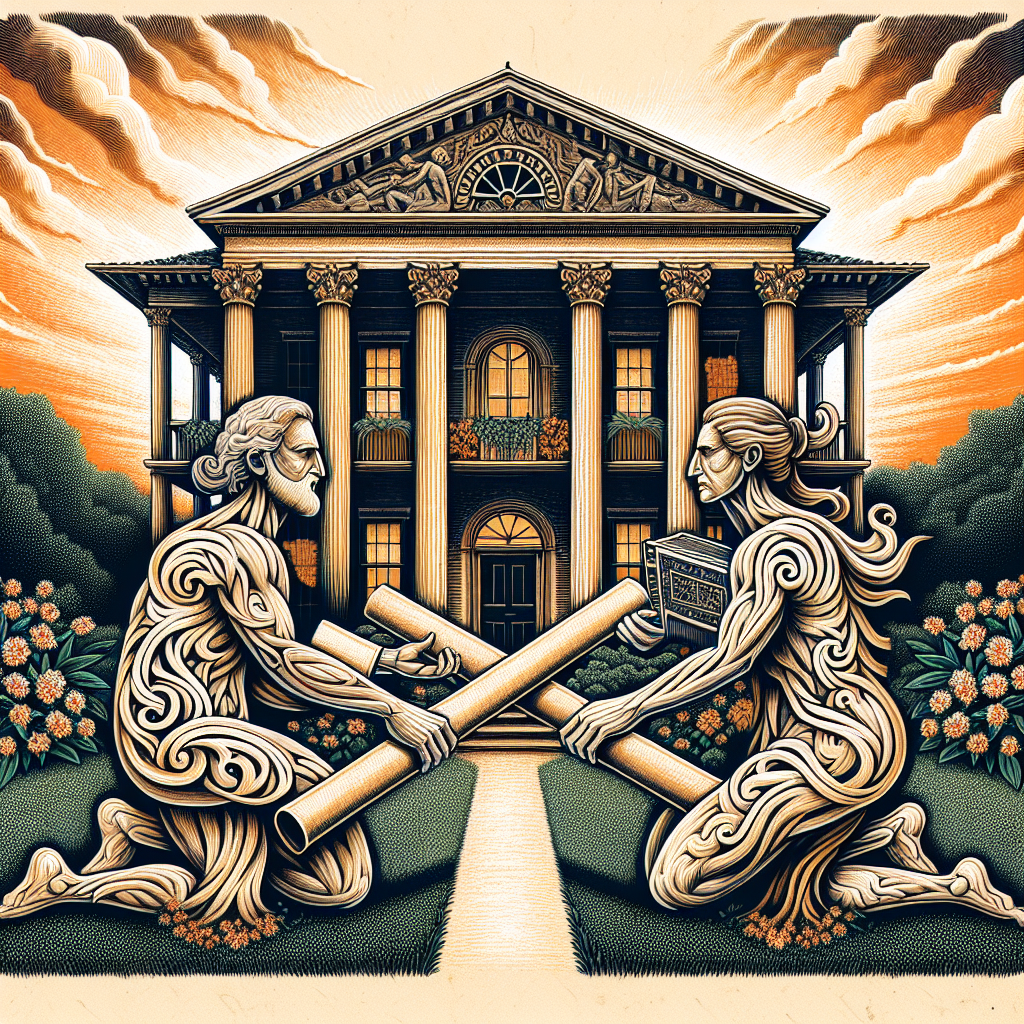
In the heart of Singapore lies a historic bungalow that has witnessed the transformation of a nation—a property that once served as the domicile of Lee Kuan Yew, the first Prime Minister and a pivotal figure in Singapore’s rise to economic success. Built during colonial times for a Dutch trader, the bungalow at 38 Oxley Road is not just a piece of real estate; it is intertwined with Singaporean lore and the legacy left by Lee.
Lee Kuan Yew, who dedicated his life to building one of the world’s richest nations, expressed his desire for the bungalow to be demolished after his passing, fearing that public access would diminish its significance. He wished to protect his family’s privacy, stating that he did not want “the public trampling through his private quarters.” However, this vision has become mired in controversy following his death in 2015. The ambiguity in his will has sparked contention among his children, stirring public debate about the very nature of governance in Singapore—a city-state often labeled as semi-authoritarian.
The tension reached new heights as Lee Hsien Yang, the youngest of Lee Kuan Yew’s children, publicly voiced his criticisms of the government system that their father helped construct. “The idea that one good man at the center can control this, and you just rely on his benevolence to ensure that everything is right, doesn’t work,” he said in a recent interview, advocating for a reevaluation of the nation’s governance principles. This familial dispute underscores broader societal questions regarding accountability, transparency, and the balance of power, reflective of an age-old struggle in many societies.
While the fate of the bungalow remains unresolved, its story is reminiscent of biblical narratives that highlight the importance of stewardship and community. In Luke 12:48, it is written, “To whom much is given, much will be required.” This verse speaks to our responsibility toward both the legacies we inherit and the institutions we establish. The emphasis on accountability and the management of resources echoes through the corridors of both familial obligations and national governance.
As readers ponder this situation, it serves as a reminder of the spiritual lesson inherent in caring for our legacies and the communities we build. It challenges us to reflect on how we manage the gifts and responsibilities bestowed upon us. Are we honoring them in a way that uplifts others? Are we seeking wisdom and open dialogue, especially when faced with familial and societal rifts?
In a world often characterized by conflict and division, let us strive to embrace understanding and compassion, aligning our actions with a higher purpose. Like the figures in this narrative, we are called not just to manage our inherited legacies but to foster an environment where accountability and respect for one another flourish.
As this story unfolds, it invites us to think deeply about what it means to build a legacy that transcends individual desires and reflects the collective values of justice, integrity, and unity.
Explore and dig up answers yourself with our BGodInspired Bible Tools! Be careful – each interaction is like a new treasure hunt… you can get lost for hours 🙂