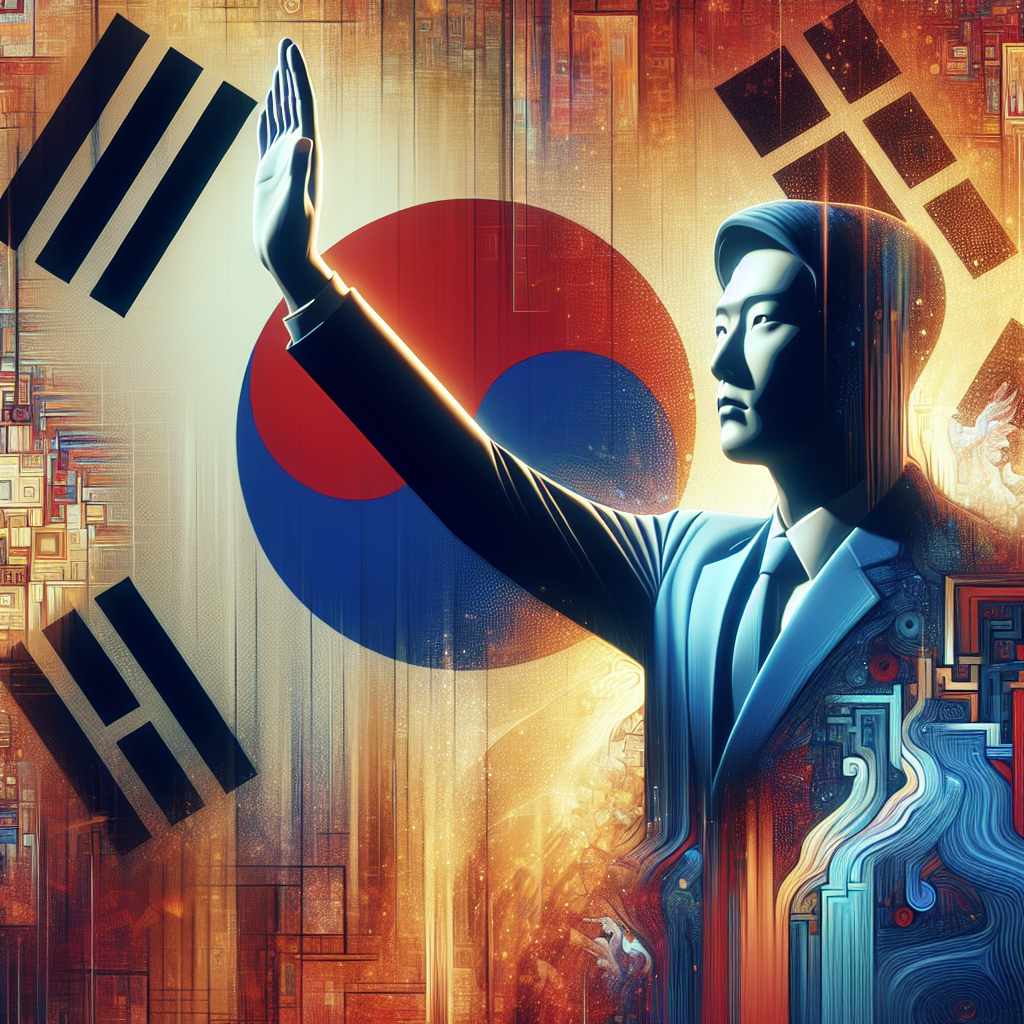
South Korea’s President Yoon Suk Yeol Rescinds Martial Law Order Amidst Political Turmoil
In a significant twist in South Korean politics, President Yoon Suk Yeol has lifted his controversial martial law order following widespread opposition and escalating calls for his resignation. Initially justified as a necessary measure to combat “anti-state forces,” the decree faced immediate condemnation from lawmakers across the political spectrum and alarm from international allies.
In a televised address on Tuesday night, Yoon asserted that martial law was essential to rapidly stabilize the nation. However, his plan was swiftly rejected in a national assembly vote, prompting a second address just hours later in which he capitulated to the assembly’s demands. This swift reversal, analysts are noting, could jeopardize his political future, particularly as his approval ratings remain at record lows due to a weakening economy and political friction.
Following the lifting of martial law, South Korea’s currency strengthened, reflecting a sense of relief in the market. The main opposition Democratic Party has since intensified their demands for Yoon’s resignation, labeling his declaration a “grave violation of our constitution” and a potential act of treason. Moreover, over 40 opposition lawmakers are calling for impeachment proceedings against him, while even leaders within his own conservative People Power party have criticized the decision.
As unrest unfolds, the Korean Confederation of Trade Unions announced plans for an indefinite strike until Yoon resigns. Amidst this upheaval, South Korean financial officials sought to stabilize the market by pledging access to substantial emergency funds.
Yoon’s martial law order marked a stark deviation from Korea’s democratic norms; it was the first of its kind since the nation transitioned to democracy in 1987. Many are recalling a time when the country was ruled under military governments, a painful chapter in its history. In a statement that reflects both a personal and communal struggle for justice, opposition leaders argue that Yoon’s authoritarian tactics echo a troubling revival of these past regimes.
This situation brings to mind the biblical principle of servant leadership articulated by Jesus, who taught that true leaders should be servants to their people (Mark 10:44). As tensions mount between political entities, these events prompt a reflection on the need for humility, accountability, and the well-being of the community above personal ambition.
In the United States, South Korea’s closest military ally, officials have expressed grave concern over Yoon’s initial declaration but later welcomed his reversal. This international response underscores the importance of democratic governance and the vigilance required to uphold it.
As the nation moves from a state of unrest to one of potential recovery, the path ahead remains uncertain. The political landscape is fraught with challenges, but it also provides a fertile ground for reflection on integrity and justice.
Amid turmoil, let us ponder the words of Micah 6:8, which state, “He has shown you, O mortal, what is good. And what does the Lord require of you? To act justly and to love mercy and to walk humbly with your God.” The unfolding events in South Korea serve as a poignant reminder for all leaders—both in politics and our daily lives—that the pursuit of justice, humility, and service to others should always guide our actions.
In closing, may we reflect on the broader spiritual lesson here: the well-being of a community depends not only on the strength of its leaders but also on their willingness to serve with integrity and compassion.
Explore and dig up answers yourself with our BGodInspired Bible Tools! Be careful – each interaction is like a new treasure hunt… you can get lost for hours 🙂