
 0
0
 0
0
Truce or Tactics? Putin Calls for Easter Cease-Fire in Ukraine Conflict
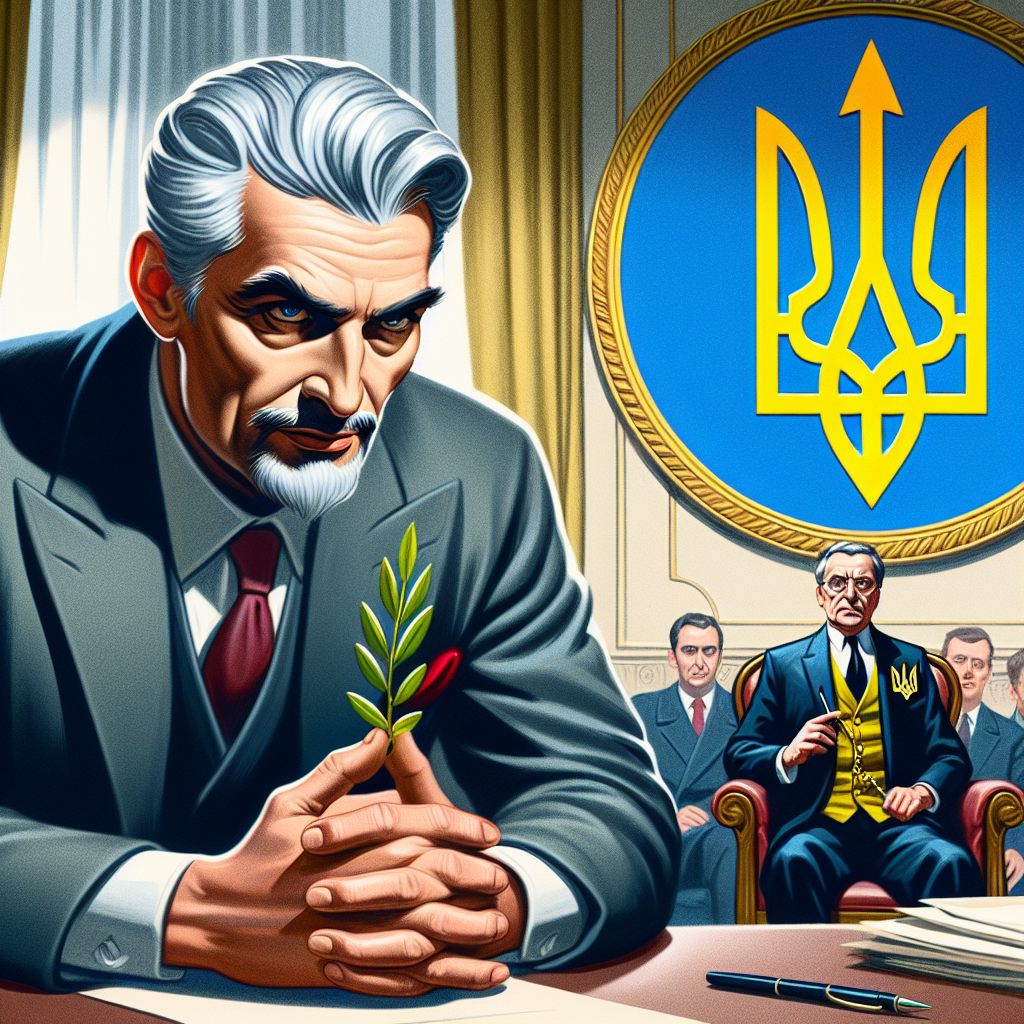
In a surprising move, Russian President Vladimir V. Putin has declared an “Easter truce,” ordering his forces to cease all military activities against Ukraine from Saturday evening through Sunday. This announcement, made during a televised meeting with military top brass, seems aimed not only at showcasing Russia’s willingness for peace talks but also at signaling to an increasingly impatient U.S. administration that Moscow remains open to negotiations.
“We will assume that the Ukrainian side will follow our example,” Mr. Putin stated, positioning Ukraine’s response as a measure of its commitment to peace negotiations. This gesture, however, has been met with skepticism from Ukrainian officials, including President Volodymyr Zelensky, who described it as “Putin’s next attempt to play with people’s lives.” In a poignant reminder of the complexities surrounding conflict resolution, Zelensky did not explicitly reject the truce but highlighted the complicated dynamics at play.
Following Putin’s announcement, the Russian Defense Ministry echoed his sentiment, indicating compliance with the cease-fire—conditional upon Ukraine’s reciprocal agreement. This conditionality raises important questions about the sincerity of the proposal and the genuine willingness of both parties to pursue peace amid a protracted conflict.
As these events unfold, one cannot help but reflect on the biblical principles of peace and reconciliation. The teachings of Jesus emphasize the power of peacemaking, inviting individuals and nations alike to extend compassion and understanding to one another. In Matthew 5:9, it is stated, “Blessed are the peacemakers, for they will be called children of God.” This verse underscores the high value placed on those who actively seek peace and work towards healing divisions, reminding us of the divine calling to pursue harmony in all relationships.
In light of the Easter season—a time of hope and renewal—it is pertinent to ponder the broader implications of conflict and the potential paths toward resolution. Rather than viewing situations through a lens of animosity and suspicion, there lies a profound opportunity for renewal and understanding. The concept of an Easter truce, even when approached with skepticism, could serve as a moment for reflection on peace—an invitation to seek common ground in midst of hostility.
As we observe the unfolding situation in Ukraine, may we be inspired to embrace the principles of kindness, humility, and compassion in our interactions, both locally and globally. The path towards reconciliation may be fraught with challenges, but it is also filled with the promise of hope. In every moment of conflict, there exists a chance to witness the transformative power of peace—a lesson that resonates deeply during this sacred season.
So, as we reflect on these events, let us each consider where we might become peacemakers in our own lives and communities, carrying forward the message that peace is not just an absence of conflict, but an active choice we can embrace every day.
Explore and dig up answers yourself with our BGodInspired Bible Tools! Be careful – each interaction is like a new treasure hunt… you can get lost for hours 🙂


