 0
0
 0
0
Deadly Assaults in Balochistan Leave 33 Dead Amid Rising Violence
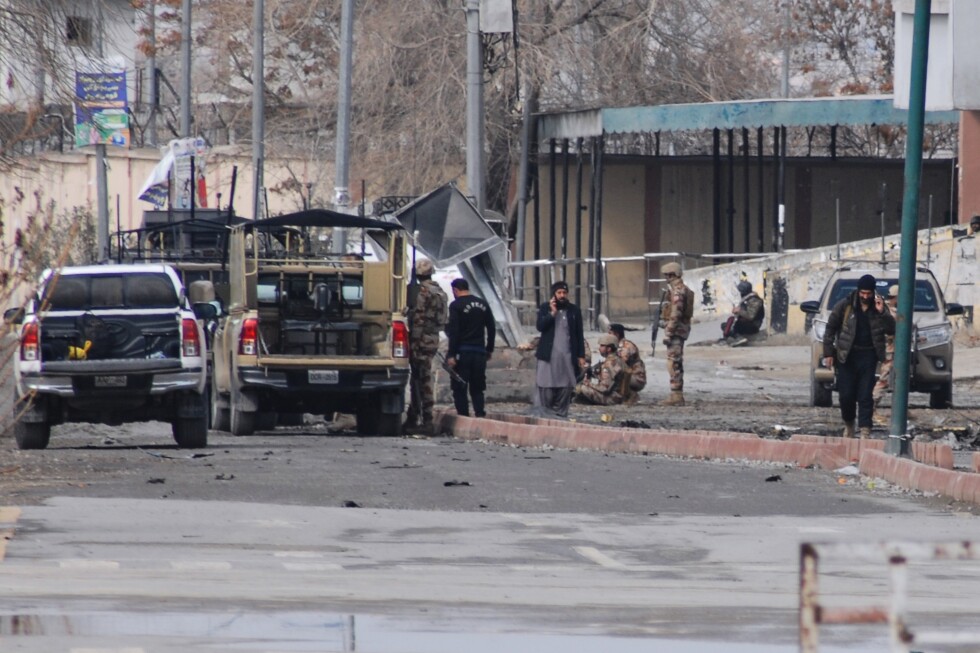
QUETTA, Pakistan (AP) — A series of coordinated suicide and gun attacks in Pakistan’s volatile Balochistan province claimed the lives of 33 individuals, including civilians, in what is being described as a catastrophic day for militants. As security forces mounted a fierce response, they reported the elimination of 92 assailants, marking this as one of the bloodiest days in decades for militant operations.
Baloch insurgents senselessly targeted a variety of locations, including a high-security prison, police stations, and civilian areas. The wave of violence has raised alarms among analysts, reflecting a concerning escalation of hostility in a region long marred by insurgency. Security officials noted that 18 civilians, alongside 15 security personnel, perished in the attacks, which were later claimed by the outlawed Baloch Liberation Army (BLA). The BLA’s involvement, which includes the audacious recruitment of female fighters, aims to showcase their resolve but only deepens the cycle of violence.
In light of these attacks, it is essential to reflect on the broader implications of such violence. The scripture reminds us, "Blessed are the peacemakers, for they will be called children of God" (Matthew 5:9). This underscores the vital need for peace, empathy, and understanding in troubled times. Instead of perpetuating a cycle of retribution, we are called to seek reconciliation and community healing.
The military’s Interior Minister, Mohsin Naqvi, pointed fingers at external influences, alleging that the attackers were supported by India—a claim that New Delhi has denied in the past. Despite the military’s aggressive measures, which recently included several successful raids against insurgents, the region continues to experience instability. Authorities stated that more than 133 militants have reportedly been killed in Balochistan over the past 48 hours.
Chaos erupted across the province, with attacks on multiple fronts including assaults on security posts and violent attempts to abduct passengers. Amid these harrowing incidents, health officials declared an emergency across hospitals in Quetta to handle the influx of casualties.
As Balochistan endures ongoing turmoil, it becomes increasingly clear that the quest for peace is not merely a political challenge—it is a deeply spiritual one. The lives that have been lost serve as a sobering reminder of the need for compassion and understanding across communal lines.
Reflecting on these events, it’s essential to acknowledge that in times of distress and division, the calling to be peacemakers is even more vital. As the community grapples with these recent tragedies, let us hold on to the belief that healing can emerge from even the darkest circumstances. Our shared humanity compels us to strive for understanding and resolve, fostering peace and dignity among all.
As we ponder the ongoing struggles in regions like Balochistan, it invites us to consider our role in promoting goodwill and reconciliation in our own communities—after all, every effort toward peace is a step closer to a more harmonious world.
If you want to want to know more about this topic, check out BGodInspired.com or check out specific products/content we’ve created to answer the question at BGodInspired Solutions