 0
0
 0
0
Historic Win for Sri Lanka’s New Leader: A Promise of Renewal Amidst Challenges
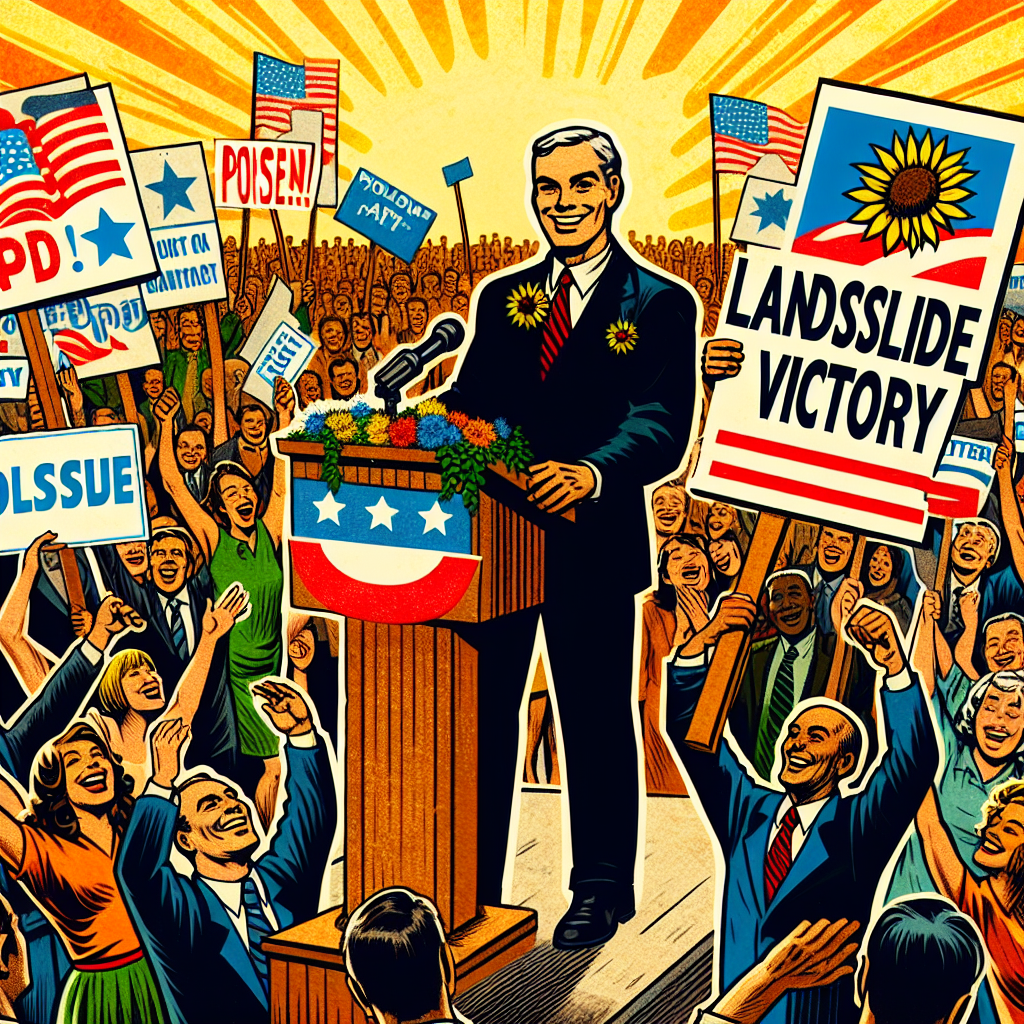
In a remarkable turn of events, Sri Lanka has welcomed a new era in its politics with President Anura Kumara Dissanayake’s left-leaning National People’s Power (NPP) coalition securing a decisive victory in the recent snap parliamentary elections. Official results indicate that Dissanayake’s party garnered an overwhelming two-thirds majority with 159 out of 225 seats, reflecting a wave of support from the electorate that has long been yearning for change and stability.
This landmark achievement underscores a significant shift in the political landscape of Sri Lanka, which has often been dominated by established political families. Dissanayake’s coalition, which received nearly 62% of the vote, made impressive inroads by winning in regions previously considered strongholds of other parties, including the Tamil-dominated Jaffna Peninsula—an electoral milestone since the country gained independence in 1948.
“Thank you to all who voted for a renaissance,” Dissanayake expressed in a brief statement on social media, echoing a sentiment of hope and renewal. His assertion that the election marks a crucial turning point for Sri Lanka resonates deeply with the aspiration for governance that reflects the people’s will.
Yet, with great mandate comes great responsibility. The new government is under immense pressure to deliver on promises of economic reform and anti-corruption measures. The backdrop of high inflation, food shortages, and a rising poverty rate—currently affecting 25.9% of the population—serves as a constant reminder of the urgent challenges that lie ahead.
As Dissanayake prepares to push through the reforms he promised during his campaign, he may find solace in the words of Proverbs 21:1, which states, “The king’s heart is in the hand of the Lord; He directs it like a watercourse wherever He pleases.” This verse subtly highlights the idea that while political leaders have human authority, ultimate guidance and outcomes rest with a higher power. It reminds us that elections and political shifts are not merely matters of human will but can reflect divine timing and purpose.
Moreover, the ongoing energy surrounding his administration invites reflection on the biblical call for righteous governance characterized by justice and care for the vulnerable. Dissanayake’s pledges to address past corrupt practices and bring accountability resonate with the Biblical principle found in Micah 6:8: “He has shown you, O mortal, what is good. And what does the Lord require of you? To act justly and to love mercy and to walk humbly with your God.”
As the people of Sri Lanka embark on this new chapter, it serves as an encouragement for readers to reflect on the transformative power of leadership that prioritizes integrity, justice, and service to the community. Amid challenges, the journey toward renewal and healing often begins with a shared commitment to values that transcend mere politics and echo deeper spiritual truths.
In essence, as we observe these shifts in governance, let us be encouraged to seek and support leaders who truly embody principles of service, compassion, and renewal, trusting that the path forward—while uncertain—can lead to a brighter future filled with hope.
Explore and dig up answers yourself with our BGodInspired Bible Tools! Be careful – each interaction is like a new treasure hunt… you can get lost for hours 🙂