Escalating Tensions: Israel Strikes Iran Amidst Ongoing Conflict
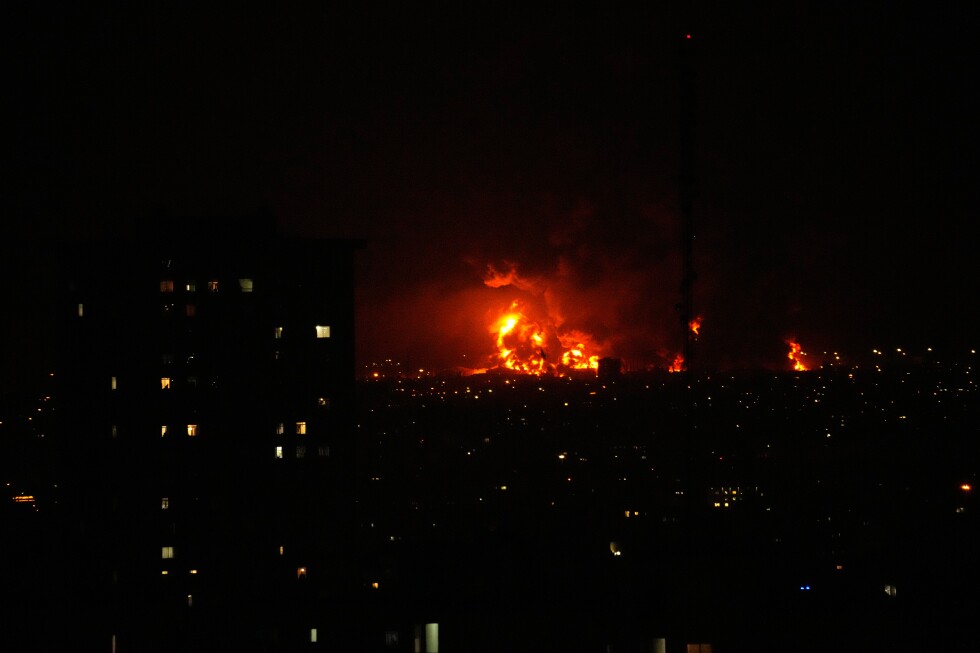
DUBAI, United Arab Emirates (AP) — The war in Iran intensified dramatically late Saturday night, with flames rising above a critical oil storage facility in Tehran. This escalation marks a significant moment in the week-long conflict, as Israeli Prime Minister Benjamin Netanyahu promised "many surprises" for the next phase of hostilities.
Israeli Military Action
Confirming the airstrike, Israel’s military targeted the fuel storage facilities, apparently marking the first attack on non-military infrastructure during this conflict. Iranian state media has attributed the strike to "an attack from the U.S. and the Zionist regime," highlighting the complexity of international involvement.
Earlier Saturday, Iranian President Masoud Pezeshkian issued an apology for attacks on neighboring countries while simultaneously asserting that military strategy would remain unchanged. This contradiction reflects a significant divide within Iranian leadership, with some advocating for diplomacy while hard-liners continue to support aggressive military actions.
Iran’s Leadership in Turmoil
Pezeshkian’s hastily recorded message indicated the limited authority of Iran’s political leaders, as they struggle to maintain control over the influential paramilitary Revolutionary Guard, which operates independently in military operations. In a tense environment, Pezeshkian urged for a halt to missile attacks on neighboring countries unless provoked, reflecting a desire for de-escalation amid increasing pressures.
Conversely, hard-line leaders reaffirmed a commitment to retaliate against perceived aggression. This divide complicates any potential diplomatic resolutions and underscores the fragile state of Iranian governance since the death of Supreme Leader Ayatollah Ali Khamenei.
Responses from the U.S. and Gulf Nations
U.S. President Donald Trump threatened further military action, indicating that more target areas would be identified as hostilities continue. The conflict has already had severe impacts on global markets and profoundly affected civilians in Iran and beyond, leaving many in fear as missile strikes reach far into Israel and other Gulf states.
Meanwhile, the U.S. has increased strikes on Iranian military capabilities and leadership, aiming to change the fundamental power dynamics in the region. With civilian casualties mounting—over 1,230 in Iran alone—the moral implications of this conflict weigh heavily on all involved.
Potential for Growth Amid Conflict
As we witness these events unfold, it’s vital to consider the larger picture of conflict and humanity. In times like these, Jesus teaches us the importance of reconciliation and peace. Romans 12:18 reminds us, "If it is possible, as far as it depends on you, live at peace with everyone." This scripture invites us to pursue peace where we can, even amid turbulent times.
In reflecting on the ongoing conflict, it’s encouraging to remember that peace is not merely the absence of war but a positive affirmation of relationships grounded in love and understanding. As nations face choices that lead them toward division or unity, the challenge remains for us all to advocate for dialogue and compassion over aggression.
A Call for Reflection
As we navigate these complex geopolitical waters, let us ponder the broader, timeless lesson: amidst strife and disagreements, the path of peace is always open for those willing to pursue it. In our personal lives and interactions, may we embody kindness, understanding, and a commitment to resolve conflict peacefully, contributing to a better future for all.
If you want to want to know more about this topic, check out BGodInspired.com or check out specific products/content we’ve created to answer the question at BGodInspired Solutions