 0
0
 0
0
Hezbollah Launches Major Attack on Israel Amid Rising Tensions Following Deadly Airstrike in Beirut
In a dramatic escalation of violence, Hezbollah fired approximately 250 projectiles into Israel on Sunday, a direct response to an Israeli airstrike the day before that claimed the lives of more than 25 individuals in Beirut. This unprecedented barrage marks one of the largest engagements between the militant group and Israel since their renewed hostilities began last year, driven by regional conflicts, particularly the ongoing war in Gaza.
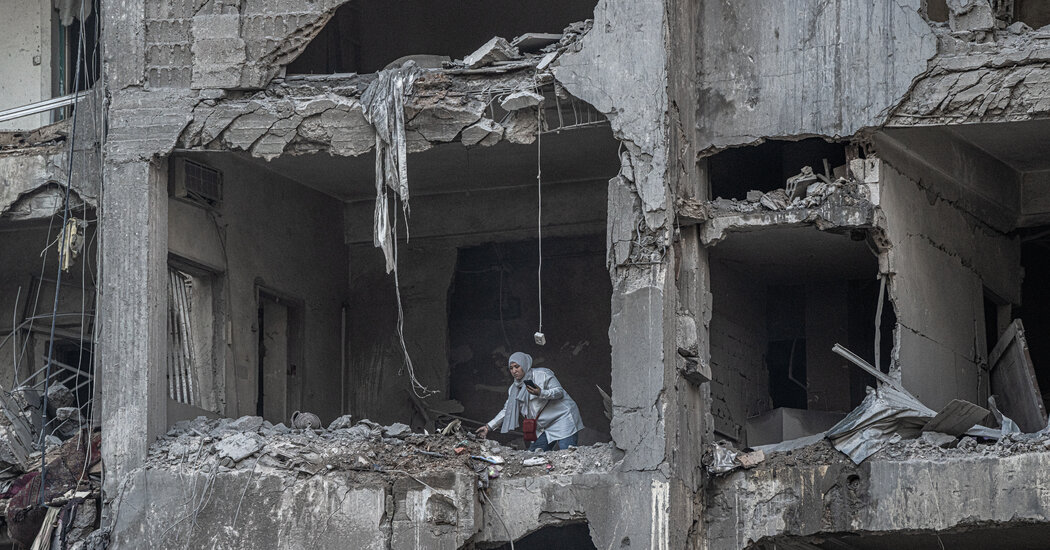
The airstrike in Beirut led to injuries to over 65 people and has raised the death toll to at least 29, as confirmed by Lebanon’s Health Ministry. Israel’s military reportedly aimed to assassinate a high-ranking Hezbollah military commander, Mohammad Haidar, though sources indicate he survived the attack. This incident highlights the dangerous complexities of the situation, as air raid sirens echoed throughout Israel, with civilians compelled to respond to the terrifying prospect of incoming fire.
Israel’s Magen David Adom emergency service reported treating multiple individuals for injuries, while fires raged in central areas as Hezbollah launched various rocket salvos targeting what they described as military installations in Tel Aviv. However, Israel has denied being the target of any strikes aimed at its capital at the time of Hezbollah’s claims.
As the cycle of retaliation continues, the Israeli military has intensified its operations against Hezbollah along the Lebanese border, striking at what it claims are military infrastructures embedded within civilian populations in southern Beirut. The situation grows increasingly precarious as the Israeli military ordered evacuations in several areas of southern Lebanon, signaling the potential for further escalation.
In these tense times, diplomatic efforts have emerged, with officials from the United States and the region cautiously optimistic about brokering a cease-fire agreement. Nonetheless, both sides continue to declare their commitment to military action as negotiations unfold. Lebanese Prime Minister Najib Mikati condemned the recent Israeli strike as a "direct bloody message of rejection" towards cease-fire efforts, illustrating the complexities facing those involved in peace negotiations.
As the international community grapples with these developments, the deep-rooted conflict reminds us of the biblical call for peace and reconciliation. In Matthew 5:9, it is written, “Blessed are the peacemakers, for they will be called children of God.” While the realities of this conflict seem far from this ideal, the yearning for peace resonates deeply within hearts around the world, serving as a reminder that the pursuit of harmony must never cease, even in the darkest circumstances.
In reflecting upon these tumultuous events, one might consider the broader spiritual message inherent in this struggle. The call to be peacemakers challenges us not just in geopolitical contexts but also in our personal lives—encouraging us to foster understanding and seek reconciliation. Perhaps in the midst of conflict, we can find opportunities for healing, reflecting on our shared humanity amidst the backdrop of discord. Let us uplift our hearts and minds towards peace, remembering that true resolution requires compassion, understanding, and a commitment to mutual respect.
Explore and dig up answers yourself with our BGodInspired Bible Tools! Be careful – each interaction is like a new treasure hunt… you can get lost for hours 🙂