Headline: Regional Allies Urge Restraint as Tensions Rise Between the U.S. and Iran
In a significant diplomatic effort, Saudi Arabia, Qatar, Turkey, and Oman have called on former President Donald Trump to refrain from launching airstrikes against Iran, fearing that such actions could ignite widespread conflict across the Middle East. The last-minute lobbying campaign appears to have effectively influenced Trump, leading him to postpone any military assault and prompting Saudi Arabia to deny U.S. access to its airspace for potential strikes.
The escalating tensions have led key figures from Saudi Arabia, including Foreign Minister Prince Faisal bin Farhan, to engage in discussions with their Iranian counterparts, emphasizing the need for dialogue over conflict. Although Iran remains politically isolated from its Gulf neighbors due to its ongoing support for regional proxies and contentious disputes over territorial claims, recent outreach efforts by Iranian Foreign Minister Abbas Araghchi aim to improve relations.
Amid these developments, it’s noteworthy that the relationships in the region, particularly between Iran and Gulf states, are complex. Despite longstanding tensions, there has been a slow recovery in Saudi-Iranian relations over the past three years. This diplomatic thawing is critical, especially considering the potential disruption that conflict could cause to vital maritime traffic in the Gulf.
Reflecting on these circumstances, the situation underscores the biblical principle of reconciliation and the importance of seeking peace. In Matthew 5:9, it is written: "Blessed are the peacemakers, for they shall be called children of God." This call for peacemaking aligns with the desires of regional leaders, who have recognized the larger implications of military action and the pressing need to return to negotiation tables.
Iran has also been attempting to reframe its image through diplomatic engagements, arguing its stability may be a more viable option for the region than external aggressions such as Israel’s recent actions. However, many Gulf states remain wary, resentful of Iranian influence while simultaneously recognizing their own precarious political landscapes.
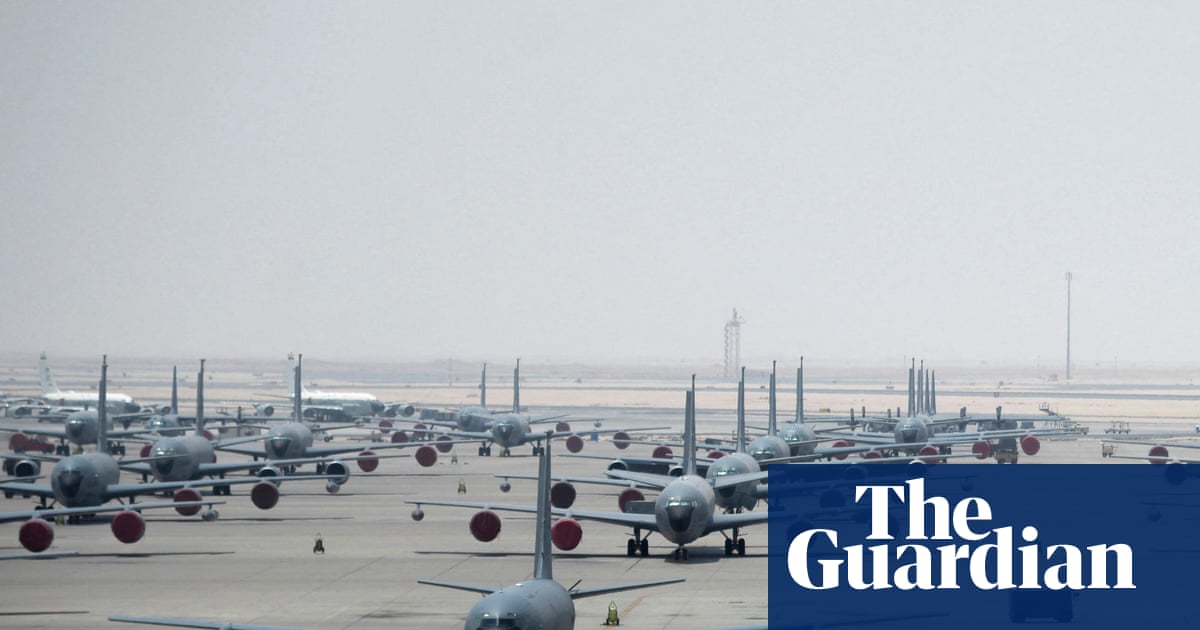
As tensions escalate, with the U.S. even withdrawing personnel from its al-Udeid airbase in Qatar, the broader implication is a reminder of the delicate balance that maneuvers between nations. The teachings of Jesus prompt us to reflect on the value of understanding and empathy amid conflict.
The takeaway from this situation invites us to ponder how the relationships in our lives could benefit from a similar commitment to peace and dialogue. Are there areas where we feel inclined to take a stand instead of seeking understanding? As we navigate life’s complexities, let us remember the importance of fostering harmony and striving for reconciliation in our own relationships, echoing the wisdom of being peacemakers in a world often filled with division.
If you want to want to know more about this topic, check out BGodInspired.com or check out specific products/content we’ve created to answer the question at BGodInspired Solutions