 0
0
 0
0
France Moves to Restrict Social Media Access for Under-15s: Echoes of Caution Amid Rising Concerns
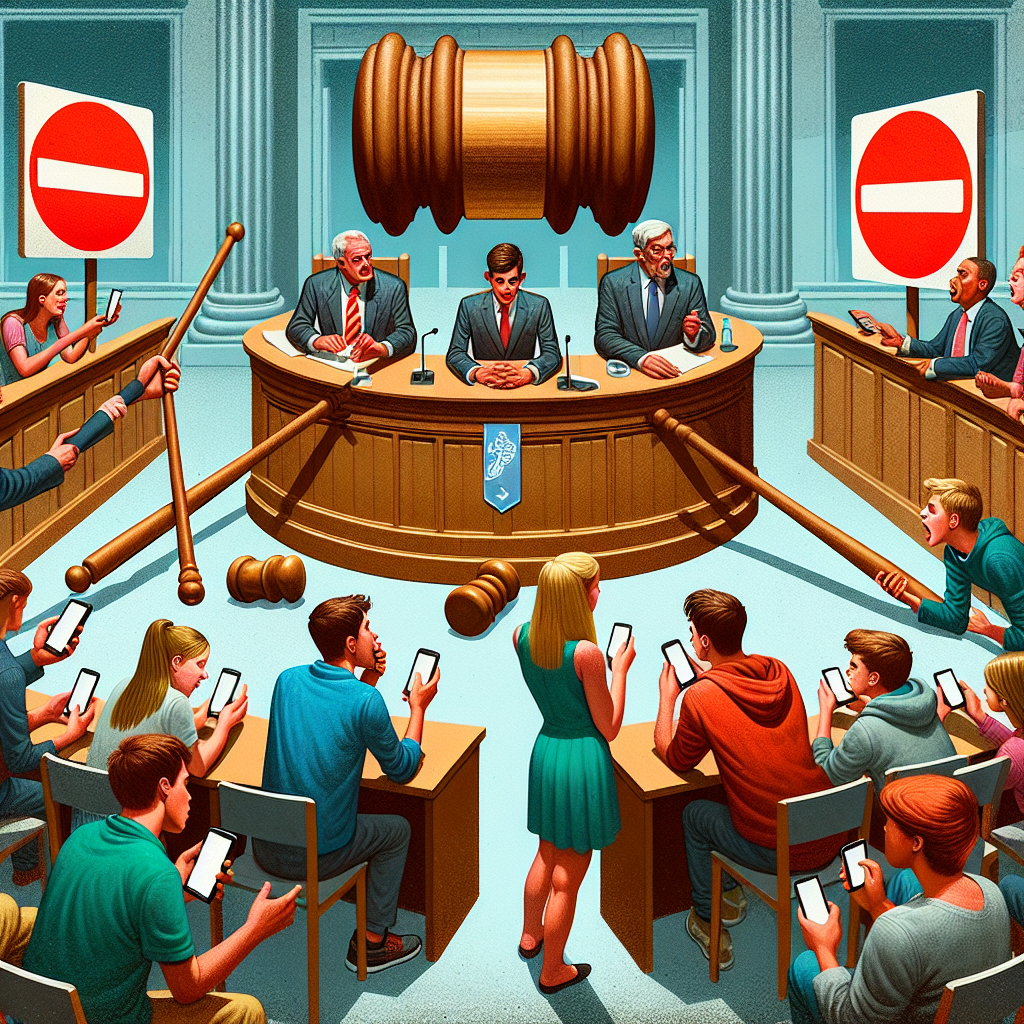
In a significant legislative development, France’s National Assembly has taken preliminary steps toward banning social media access for individuals under the age of 15, a measure endorsed by President Emmanuel Macron. This initiative reflects a growing global concern over the impact of social media on the mental health of young individuals.
On Monday, lawmakers in the lower house approved key elements of the proposed bill and are set to vote on the complete text soon. If enacted, this legislation would prevent young teenagers from utilizing platforms such as Snapchat, Instagram, and TikTok—social networks that have become ubiquitous in youth culture.
The push for this ban is part of an emerging trend found in countries like Australia, which similarly restricted social media access for children late last year. As Laure Miller, a leading lawmaker on the bill, remarked, "Social networks are not harmless." With increasing evidence supporting her stance, many in society are beginning to recognize that digital interactions can sometimes hinder, rather than enhance, genuine connections.
President Macron has voiced a sense of urgency, aiming for the law’s implementation by the beginning of the school year in September. He emphasized the need to protect the mental and emotional well-being of children, asserting, “We cannot leave the mental and emotional health of our children in the hands of people whose sole purpose is to make money out of them.”
Under the proposed legislation, a state media regulator would outline a list of networks deemed harmful, effectively banning them for under-15s. Conversely, a secondary list of less harmful sites would be available only with explicit parental consent. This dual approach underscores the importance of parental guidance in safeguarding children’s digital experiences, aligning with values that emphasize wise stewardship and responsibility.
While the bill’s approval is deemed likely, as it gathers support from pro-Macron factions along with the center-right Republicans and the populist National Rally, it will ultimately require ratification from the Senate. Another component of the proposed legislation would impose a ban on mobile phones in senior schools, a continuity of restrictions already upheld in junior and middle schools.
One significant challenge lies ahead: establishing reliable age-verification systems, similar to those enacted for online pornography. In a broader European context, nations like Denmark, Greece, Spain, and Ireland are contemplating similar restrictions, indicating a collective recognition of potential dangers posed by social media to youth.
In the discourse surrounding this legislation, a biblical principle resonates—our responsibility to nurture and protect the vulnerable. Jesus taught the importance of caring for children, exemplified in Matthew 18:10: “See that you do not despise one of these little ones.” This reminder invites society to reflect on the impact of technology on our youth and the imperative to provide a safe environment conducive to their growth.
As France navigates this legislative endeavor, it stands as an invitation for parents, educators, and policymakers alike to engage in thoughtful dialogue about the digital landscape shaping young minds. Such vigilance echoes the broader spiritual lesson of responsibility and love toward others, urging us to seek wisdom in protecting the next generation.
In a world filled with instant communications and overwhelming information, let us remember the importance of creating spaces that foster genuine connection and mental well-being. May we all strive to be stewards of safety and light in a complex digital age.
If you want to want to know more about this topic, check out BGodInspired.com or check out specific products/content we’ve created to answer the question at BGodInspired Solutions