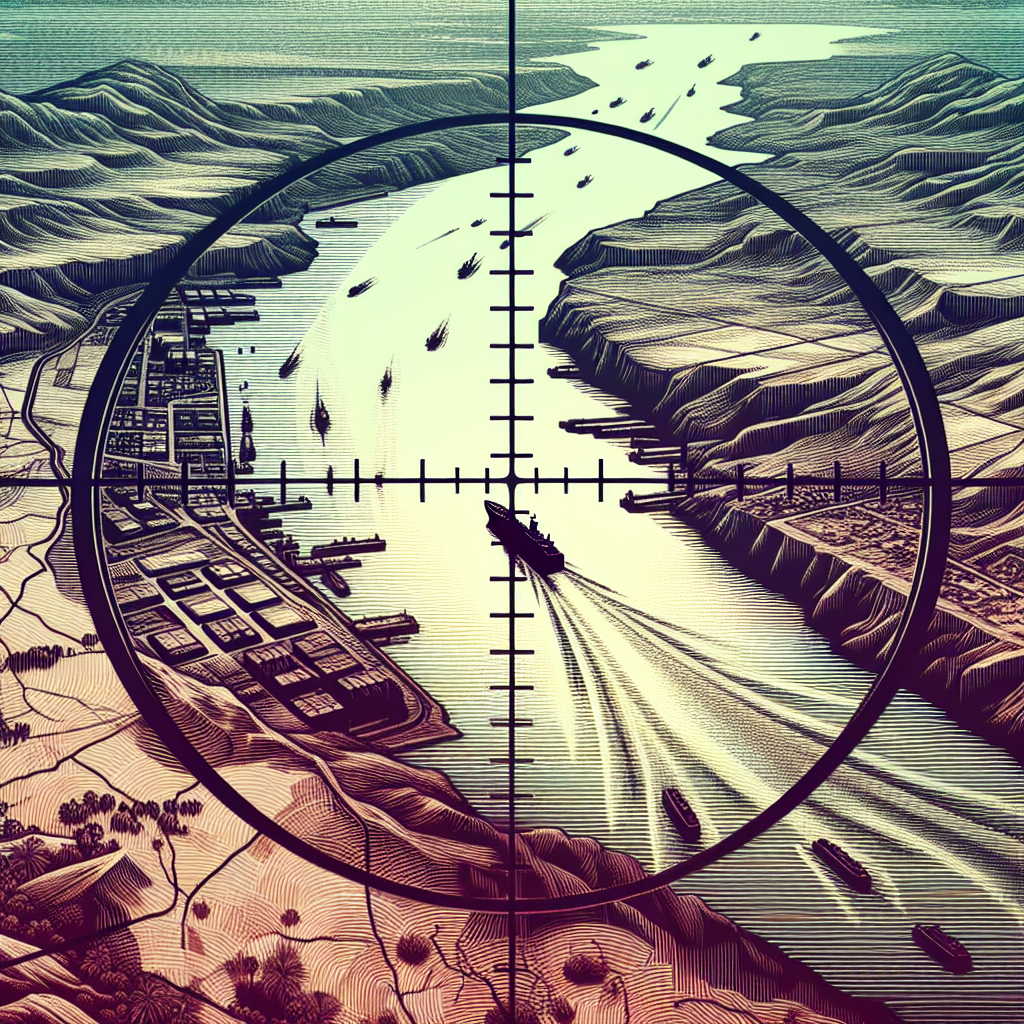
Tensions Rise in Middle East as Strategic Waterways Become Battlegrounds
In recent months, simmering tensions in the Middle East have intensified, drawing attention to crucial maritime routes. Notably, the Bab al-Mandeb Strait—an essential passage for global shipping—has entered a precarious phase, as Iran recently threatened to disrupt operations there amidst mounting tensions with the United States.
While the Strait of Hormuz has long been in the spotlight as a flashpoint for geopolitical conflict, it appears the Bab al-Mandeb Strait is now taking center stage. Reports indicate that Iranian mines are now present in the area, raising concerns from U.S. officials who emphasize the strategic significance of these maritime passages for international trade.
Iran’s threats regarding the Red Sea strait come as U.S. officials have been engaged in extensive private diplomatic talks with Tehran. The potential for significant escalation looms, as Iran continues to assert control over these vital waterways, asserting that any U.S. ground operation would provoke a strong response. As U.S. relations with Iran fluctuate, the Bab al-Mandeb Strait now stands at the crossroads of potential conflict, echoing the precarious geopolitical landscape of the region.
Transitional hooks throughout this situation invite further reflection on the ethical challenges at the heart of such power struggles. In times of discord, it is essential to consider the broader implications not just for nations but also for individuals navigating this turbulent world. The principle of peace—often central to biblical teachings—serves as a reminder of the importance of seeking dialogue over conflict.
As tensions escalate, it’s worth recalling Jesus’ exhortation from Matthew 5:9: “Blessed are the peacemakers, for they will be called children of God.” In a world where the stakes are high, this verse beckons us to pursue peace actively, even in the face of ideological and power-driven conflicts. Peace is not simply the absence of strife; it’s a proactive choice that involves listening, understanding, and empathizing with others’ perspectives.
In closing, as we reflect on the implications of the current geopolitical climate, let us carry with us the lesson of compassion and understanding that transcends borders. While the international stage may sometimes seem marred by discord, every individual can play a part in nurturing peaceful relationships in their own lives. The call to peace remains as relevant as ever, encouraging us all to foster a spirit of reconciliation and hope.
If you want to want to know more about this topic, check out BGodInspired.com or check out specific products/content we’ve created to answer the question at BGodInspired Solutions