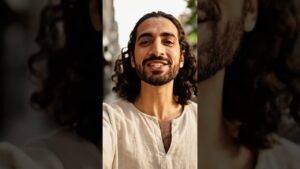
Egyptian President Pardons Prominent Activist Alaa Abdel Fattah
In a surprising move, Egypt’s President Abdel Fattah el-Sisi has pardoned Alaa Abdel Fattah, one of the nation’s most notable political prisoners and a key figure from the 2011 Arab Spring protests. This decision, reported by several major news outlets including The Washington Post, Reuters, and CNN, marks a significant moment in Egypt’s political landscape, indicating potential shifts in governmental stance towards dissenting voices.
Alaa Abdel Fattah, a dual Egyptian-British citizen, has been serving a five-year sentence on charges related to political activism, including participating in unauthorized protests. His release comes amidst growing international scrutiny over human rights issues in Egypt and calls for the government to address the plight of political prisoners. This decision is seen as a way for the Egyptian government to bolster its image and potentially ease diplomatic tensions.
The release of Abdel Fattah resonates beyond the political realm and touches on deeper issues of justice and forgiveness—a recurring theme found in biblical teaching. As we reflect on this development, we are reminded of the words from the Gospel of Matthew: “Blessed are the merciful, for they will be shown mercy” (Matthew 5:7). This principle emphasizes the importance of compassion and understanding, even amidst complex political situations.
The act of pardoning someone is not merely a legal decision; it represents a profound opportunity for healing and reconciliation. In the spirit of mercy, governments and leaders are called to navigate their responsibilities with a sense of humanity, recognizing that peace can often stem from acts of forgiveness. Such principles echo the teachings of many faiths, promoting harmony and the potential for restored relationships—be it between individuals or within the fabric of society.
Abdel Fattah’s release invites us all to consider the broader implications of mercy and justice. While it is easy to become entrenched in ideological battles, the act of forgiveness can pave the way for dialogue and understanding. This moment serves as a reminder of the Christian call to approach such situations with empathy and grace, seeking ways to bridge divides rather than deepen them.
As we contemplate this news, let us reflect on our own call to mercy. How can we embody these values in our daily interactions? Just as leaders wield the power to transform lives through acts of forgiveness, we too are given opportunities to practice compassion where we can. The story of Alaa Abdel Fattah grants us a moment to pause and ponder our role in fostering peace and understanding in our communities.
In a world that often feels divided, may we strive to be vessels of mercy, echoing the teachings of Jesus, and remember that even small acts of kindness can have monumental impacts.
Explore and dig up answers yourself with our BGodInspired App. Be careful – each interaction is like a new treasure hunt… you can get lost for hours 🙂