 0
0
 0
0
Danish King Revamps Royal Coat of Arms, Emphasizing Greenland and the Faroe Islands: A Bold Move in Colonial Context
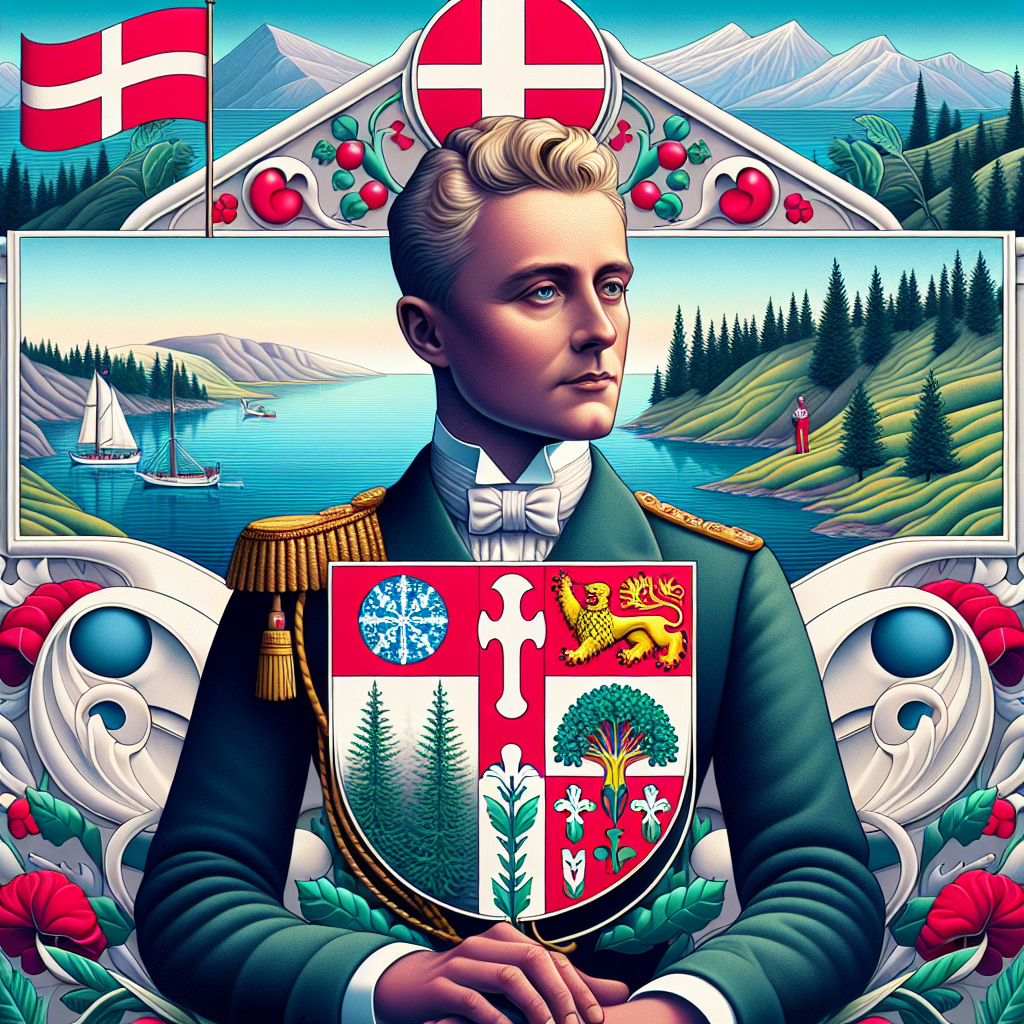
In a surprising turn of events, King Frederik X of Denmark has altered the royal coat of arms to prominently include Greenland and the Faroe Islands, a change that has stunned some historians and observers alike. This decision not only signifies a dedication to the autonomous territories but also emerges amid rising geopolitical tensions and discussions of independence, drawing a nuanced thread through history and modernity.
Traditionally, the Danish royal coat of arms featured three crowns, an emblem of the Kalmar Union that lasted from 1397 to 1523, representing ties with Sweden and Norway. However, the newly designed coat replaces these crowns with a polar bear and a ram, symbolizing Greenland and the Faroe Islands, respectively. This shift comes less than a year after King Frederik ascended the throne and has been interpreted as a rejection of former U.S. President Donald Trump’s contentious remarks suggesting the purchase of Greenland.
As King Frederik looks to redefine Denmark’s royal identity, his changes are set against a backdrop of historical struggles, lingering colonial perceptions, and an evolving recognition of these regions’ desires for autonomy. Greenland’s Prime Minister, Múte Egede, recently condemned Denmark for past actions linked to a forced contraceptive scandal and accelerated calls for independence, stating, "we must remove the shackles of the colonial era."
These developments underscore a critical dimension of leadership and responsibility, reflective of biblical principles that encourage reconciliation and the promotion of justice. As it is written in Micah 6:8, “He has shown you, O mortal, what is good. And what does the Lord require of you? To act justly and to love mercy and to walk humbly with your God.”
Such principles resonate deeply in today’s shifting political landscape, marking the call for justice and dignity for all people. The Danish monarchy’s choice to elevate Greenland and the Faroe Islands within the royal insignia may reflect a commitment to inclusivity and recognition of the unique identities within the kingdom, offering a path toward healing historical wounds.
Further affirming this intent, King Frederik stated in his New Year’s address: "We belong together," emphasizing the unity of communities across the kingdom. This echoing of interconnectedness invites contemplation on the larger family dynamics we share, resonating with the biblical teachings of love and community.
However, the absence of the three crowns has shocked some historians, who view this as a significant departure from centuries of tradition. Scholar Dick Harrison noted that the removal of such a historic symbol marks a "sensation" that highlights not only Denmark’s changing narrative but also the complexities of its relationships with neighboring nations and territories.
Moreover, as dialogues surrounding independence grow louder, experts suggest that the royal family’s actions align with the geopolitical realities that cannot be ignored. Historian Sebastian Olden-Jørgensen remarked that this shift signals a royal endorsement of Denmark’s policy aimed at preserving the unity of the realm in the face of such aspirations.
In light of these events, it is essential for observers to reflect on the broader spiritual implications of unity and justice. Much like the diverse threads that weave through communities, the biblical narrative continually calls for an embrace of diversity framed within love and acceptance.
As we witness these important changes played out on the world stage, we are reminded to cultivate hearts that foster forgiveness and reconciliation, echoing Jesus’ teaching in Matthew 5:9: "Blessed are the peacemakers, for they will be called children of God."
For readers, this signifies not just a royal change but a call to ponder how we can contribute to unity and compassion in our own communities. Let us embrace the diverse tapestry of humanity as we strive toward understanding and harmony, allowing the principles of love and justice to guide our paths forward.
Explore and dig up answers yourself with our BGodInspired Bible Tools! Be careful – each interaction is like a new treasure hunt… you can get lost for hours 🙂