The AI Boom Belongs to Capital, Not Workers
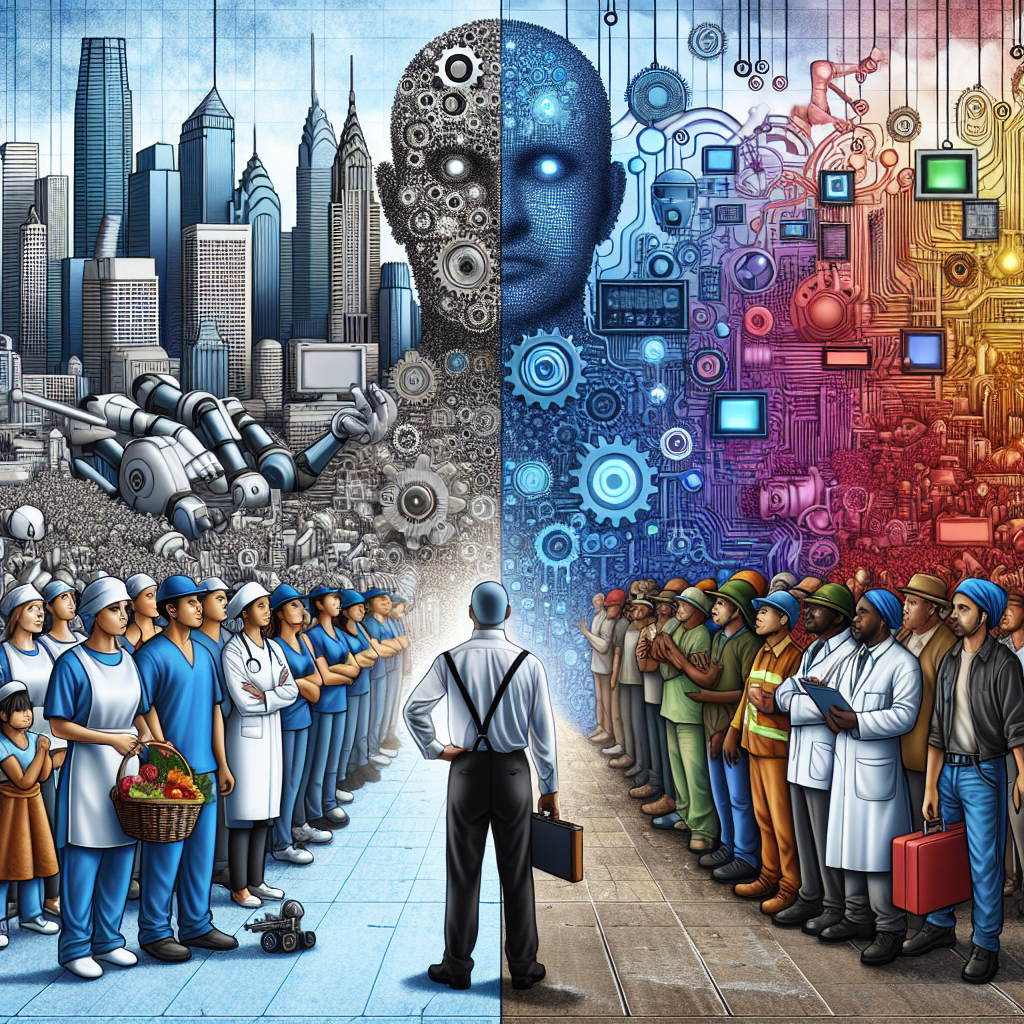
In an era marked by technological innovation, the rise of artificial intelligence (AI) has fueled significant economic transformation. However, recent analysis reveals that this burgeoning AI boom primarily benefits capital over workers, raising vital questions about labor equity and economic justice.
As companies invest heavily in AI infrastructure, the wealth generated is increasingly concentrated among shareholders and executives, leaving many workers feeling sidelined. With automation altering the landscape of employment, jobs in sectors traditionally reliant on human labor may be at risk. This transition is not only an economic issue; it also reflects a moral dilemma reminiscent of biblical teachings about stewardship and care for one another.
The implications are profound. As we observe the shift of wealth in the AI sector, one is reminded of the biblical parable of the Good Samaritan, where compassion transcends societal boundaries. Just as the Samaritan acted with kindness and selflessness, a call for equitable treatment and consideration of workers becomes essential. While innovation can drive progress, it is vital to ensure that the benefits are shared widely, embodying the principle that every individual holds inherent value.
Transitioning from a solely profit-driven mindset to one that values community welfare, the discourse on AI’s impact serves as a reminder of the importance of solidarity and justice. As businesses navigate this new landscape, they are challenged to consider not just their bottom line but also their responsibility towards their employees and the broader society.
Proverbs 14:31 states, "Whoever oppresses a poor man insults his Maker, but he who is generous to the needy honors him." This powerful verse underscores the call to uplift and support those who may be forgotten in the rush toward progress. As we witness the advancements of AI, let us also advocate for a future where workers are valued, and their contributions are recognized.
As the conversation around AI continues to unfold, one encouraging takeaway emerges: we are invited to reflect on how our economic choices can align with principles of love, justice, and stewardship. By ensuring that technological advancements serve to uplift everyone, we can strive for an economy that mirrors the compassion encapsulated in Christ’s teachings. Let us remember that true progress lies not just in innovation but in our collective commitment to care for one another.
If you want to want to know more about this topic, check out BGodInspired.com or check out specific products/content we’ve created to answer the question at BGodInspired Solutions