Nvidia to Build Supercomputer in Northern Israel, Promising Economic Revitalization
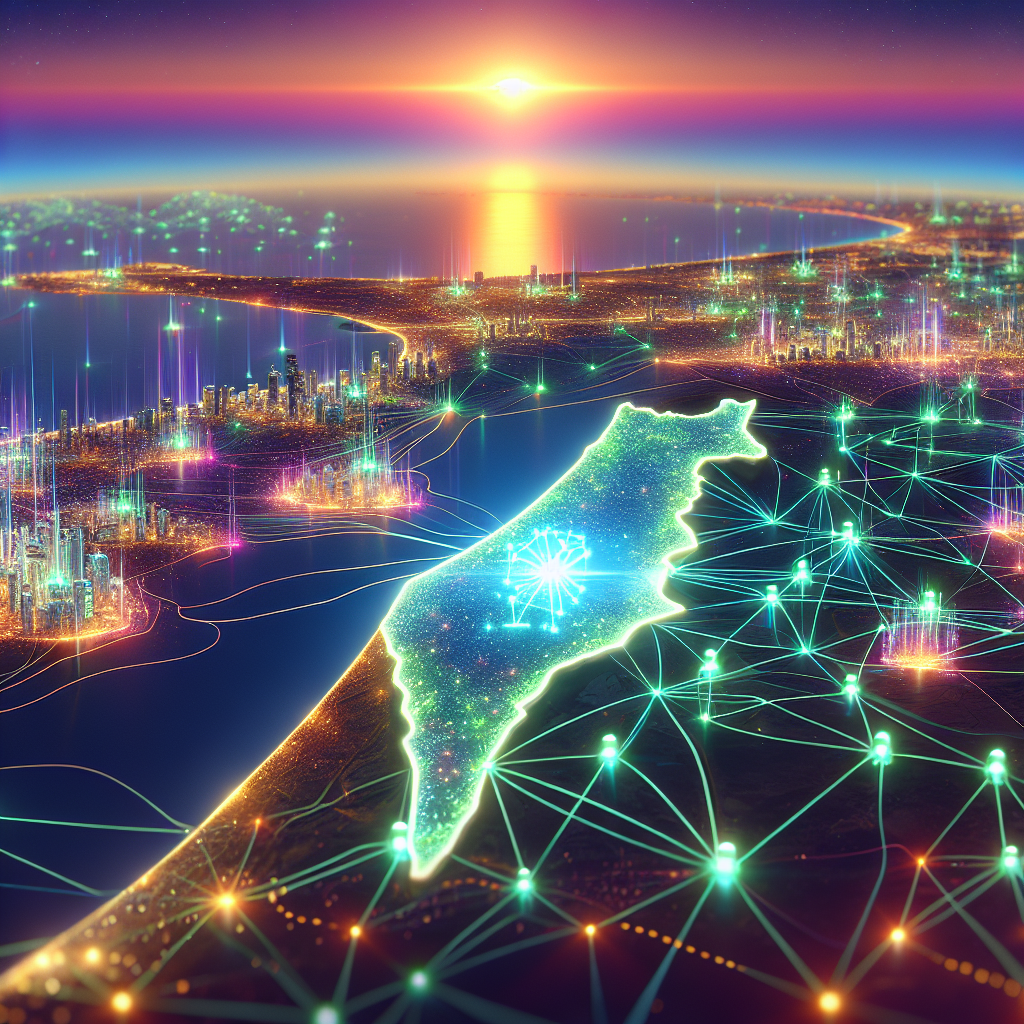
Nvidia CEO Jensen Huang recently announced the company’s plans to construct a groundbreaking supercomputer named "Israel 1" in northern Israel, signaling what he believes could be profound economic benefits for the region. This ambitious initiative is expected to support large-scale artificial intelligence (AI) infrastructure that can revitalize startups, educational institutions, and various industries across the area.
During his address at the 3DEXPERIENCE World conference in Houston, Huang articulated his vision during a joint press briefing with Dassault Systèmes CEO Pascal Daloz. He exuded optimism, highlighting how "Israel 1" could act as a catalyst for innovation and growth. He remarked, "The economic effects of a supercomputer are very deep," asserting that AI plays a critical role in reshaping diverse sectors—from healthcare to education to business.
A Source of Hope in Challenging Times
The establishment of this supercomputer comes at a time when northern Israel is facing economic hardships. Historically, regions that lack technological infrastructure find themselves at a disadvantage. Huang emphasized that a robust data center could act as a "regional cloud," fostering entrepreneurship and enabling local companies to become competitive on a global stage.
This concept resonates with biblical principles of hope and renewal. Just as the prophet Jeremiah reminds us that "For I know the plans I have for you," declares the Lord, "plans to prosper you and not to harm you, plans to give you hope and a future" (Jeremiah 29:11), the Nvidia initiative is a practical embodiment of these principles. It showcases how technology can be harnessed to bring about restoration and opportunity in struggling communities.
Bridging Gaps in AI Infrastructure
Despite Nvidia’s investment, Israel currently grapples with significant infrastructure deficiencies in the AI realm. Huang and Daloz noted the importance of building capabilities to bridge these gaps. They highlighted that the limitations of energy supply and ongoing shortages of skilled personnel must be addressed to realize the full potential of AI.
In this regard, Huang’s initiative embodies a proactive approach—one that echoes the biblical principle of stewardship, wherein resources are managed wisely to create lasting impact. Organizations and individuals alike are called to act with purpose, focusing on what they can contribute to society, not merely what they can gain.
A Broader Spiritual Reflection
While the technical aspects of AI infrastructure and supercomputing are critical, the underlying social implications are paramount. This situation invites contemplation on the interconnectedness of community efforts, innovation, and divine purpose in our world.
As Nvidia forges ahead with these plans, the emphasis on collaboration and growth serves as a reminder of Jesus’ teachings on unity and service—a call to uplift each other for the greater good.
Takeaway:
Huang’s vision reflects a commitment to fostering innovation and bringing hope to those who need it most. As we consider this development, let us remain open to the opportunities that arise from challenging circumstances. Just as Jesus taught us to be salt and light (Matthew 5:13-16), may we be inspired to illuminate paths toward progress in our communities.
In nurturing the seeds of hope and renewal, we reflect the divine purpose for humanity—a future filled with promise and an invitation to share in the harvest of innovation and grace.
If you want to want to know more about this topic, check out BGodInspired.com or check out specific products/content we’ve created to answer the question at BGodInspired Solutions