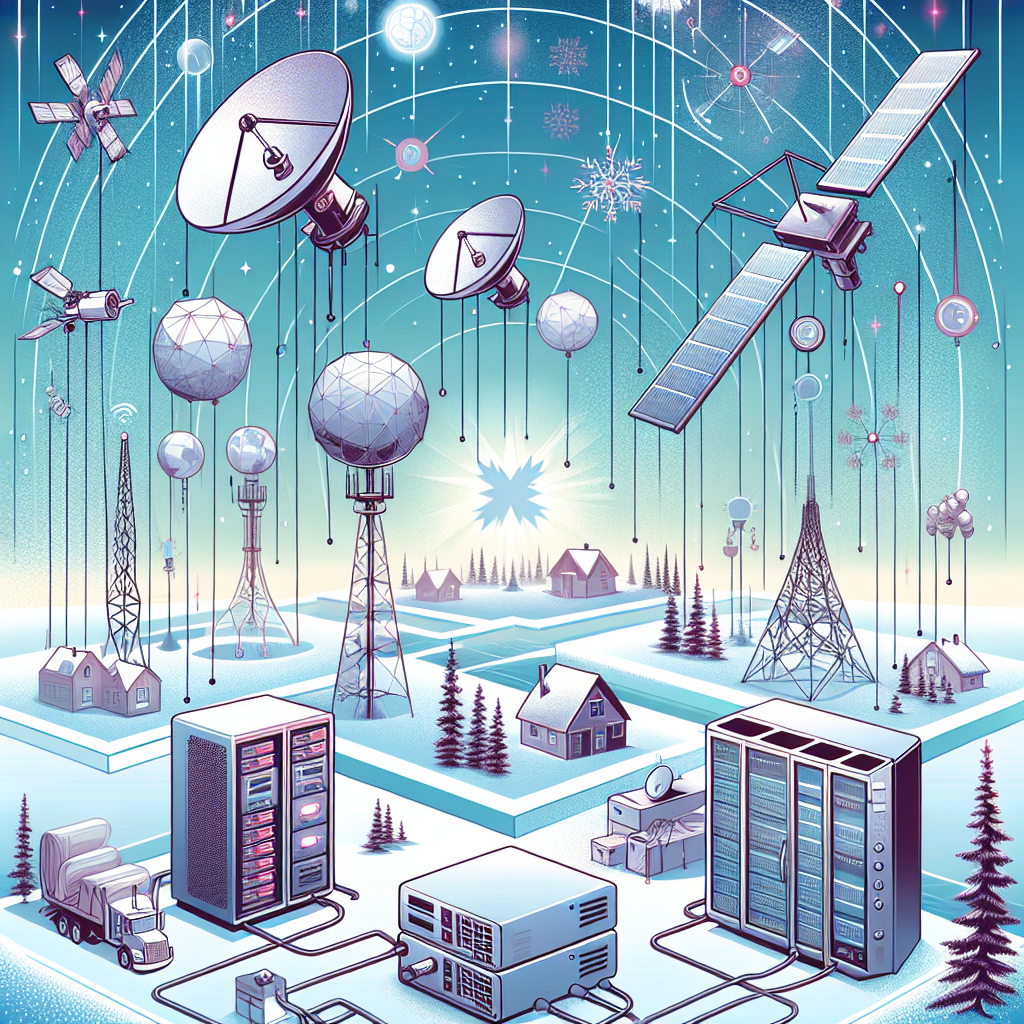
Bridging the Digital Divide in Canada’s North: A New Hope for Connectivity
While many Canadians enjoy seamless Internet access, communities in the northern regions face significant challenges. “We are so connected in the south, but not in the north,” states Philip Ferguson, an MIT graduate and professor at the University of Manitoba (UM). The disparity in broadband access not only affects communication but also limits healthcare, education, and economic participation in these remote regions.
The Challenge of Isolation
For countless residents in northern Canada, the lack of reliable Internet translates to missed opportunities. Basic necessities, such as access to remote healthcare and educational resources, remain out of reach. Ferguson emphasizes, “The tools for connectivity are available; we just haven’t delivered them equitably.” This calls to mind the biblical principle of stewardship, reminding us that equitable access to resources is essential for communal flourishing.
Innovating for Change
Researchers at UM, under Ferguson’s direction at the Space Technology & Advanced Research Laboratory (STARLab), are stepping up to address these challenges. They are developing aerospace technology to establish a new telecommunication network aimed specifically at northern communities.
Deploying high-altitude drones and airships, the team will enhance satellite internet coverage in the Arctic. This innovative approach not only provides a technical solution but embraces collaboration with local Indigenous communities, ensuring that their insights contribute to a culturally sensitive deployment.
A Collective Endeavor
This project represents a partnership with Telesat, a Canadian satellite company working on a 200-satellite network to rival US-based options like Starlink. “In a time of growing concerns around Arctic sovereignty, this collaboration provides an excellent opportunity for Canadians living in the North,” Ferguson asserts.
Transformative Impact
With an advanced satellite network, northern families and businesses will have wider access to the digital economy, remote education, and timely medical services. Such changes resonate with the biblical tenet of mutual support, where each community member is encouraged to uplift one another.
Professor Ferguson aptly states, “This is about social and economic reconciliation.” High-speed Internet will not only facilitate connectivity but also empower residents to monitor environmental changes and enhance local resource management—a reflection of the biblical call to be caretakers of the Earth.
Building a Future Together
The venture has far-reaching implications, creating jobs in Manitoba and northern communities while fostering a sense of collaboration. As Ferguson notes, “It’s about working in partnership with northern communities to build the digital infrastructure they need.” This aligns with the Christian principle of community upliftment, as highlighted in Philippians 2:4: “Let each of you look not only to his own interests, but also to the interests of others.”
Encouraging Hope
As the University of Manitoba continues its mission to transform lives through innovative research, this initiative offers a glimpse of how connectivity can bring people together, empowering them to shape their futures. In a world where some take connectivity for granted, let us reflect on how we can ensure that all communities thrive.
The call to action here is clear: as we pursue technological advancements and foster collaborative partnerships, let us remember our duty to care for our neighbors, applying the wisdom of Scripture to ensure that no one is left behind. In these efforts, we can discover the true meaning of connection—both digital and spiritual.
Explore and dig up answers yourself with our BGodInspired Bible Tools! Be careful – each interaction is like a new treasure hunt… you can get lost for hours 🙂