 0
0
 0
0
Recent Study Unveils Insights into Predicting Nephrotoxicity Using Advanced Machine Learning Techniques
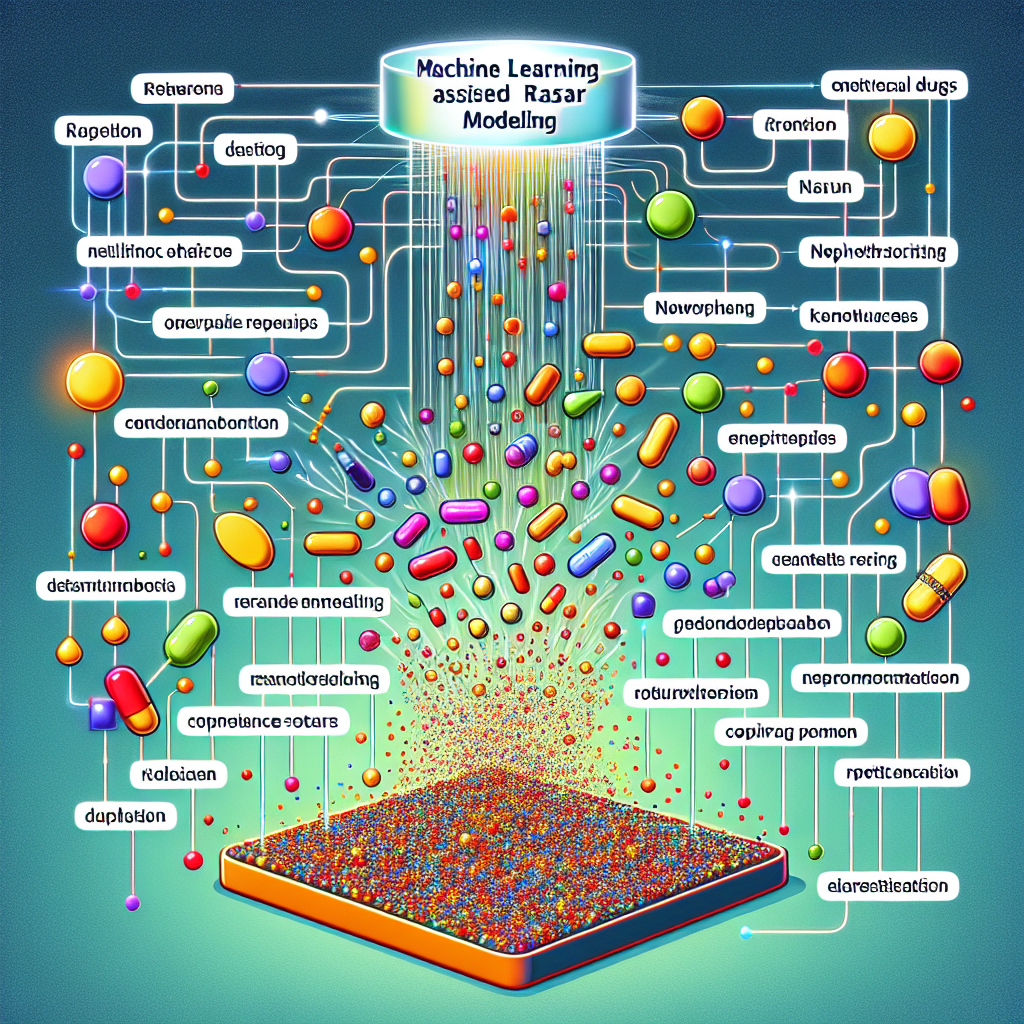
In a significant advancement for drug safety, researchers have conducted a comprehensive analysis to explore the structural diversity of a dataset comprised of various compounds, with a particular emphasis on predicting nephrotoxicity, a serious adverse effect of many pharmaceutical agents. This study, detailed in a recent publication, highlights the complexities of chemical diversity that pose challenges in developing reliable predictive models.
Utilizing DataWarrior software, the researchers generated a chemical diversity plot, revealing that the dataset possesses a high level of dissimilarity among compounds when compared to well-known nephrotoxic agents, such as Ibuprofen. This structural diversity necessitates the adoption of robust feature selection techniques to enhance the predictive accuracy of machine learning (ML) models.
The study focused on identifying molecular descriptors that exhibit strong discriminating power between nephrotoxic and non-nephrotoxic classes. By employing a discriminant feature selection algorithm, the research team successfully identified 21 essential descriptors that will play a pivotal role in the subsequent quantitative structure-activity relationship (QSAR) analyses.
In an innovative approach, the study also delved into the development of c-RASAR models—hybrid constructs that incorporate RASAR descriptors—demonstrating superior predictive capabilities in comparison to traditional QSAR models. The results illustrated that c-RASAR models not only yielded enhanced accuracy but also displayed robust generalization to external datasets, a critical factor for clinical relevance and application.
Moreover, the research emphasizes the importance of rigorous cross-validation techniques, underscoring the reliability of the developed models through a systematic 20-fold cross-validation strategy. The outcome of these analyses highlighted that the c-RASAR approach produced models exhibiting greater robustness and predictive power, ultimately paving the way for improved drug screening processes.
As we explore the implications of such technological advancements, it’s worth considering how these scientific endeavors align with the principles of stewardship and responsibility that are echoed throughout Scripture. The Bible encourages us to exercise wisdom and discernment in all our endeavors, as reflected in Proverbs 2:6: "For the LORD gives wisdom; from his mouth come knowledge and understanding."
This call for wise stewardship resonates in the context of drug development, where the need to protect human health is paramount. By harnessing our understanding of chemical properties and leveraging advanced methodologies, researchers can contribute significantly to safeguarding lives and promoting well-being.
In a world where the complexity of scientific knowledge can often feel overwhelming, we are reminded of the beauty found in seeking knowledge and understanding. This study presents an opportunity for reflection on the intersection of faith and scholarship, encouraging us to pursue excellence and integrity in our endeavors.
As we ponder these developments in drug safety and predictive modeling, let us embrace the call to be diligent stewards of the gifts and insights we receive. May this drive us to not only advance scientific understanding but also to uphold the inherent value of every individual’s health and well-being.
Takeaway: Engage with the journey of discovery through research, allowing it to deepen your understanding of both science and faith. Reflect on how knowledge, grounded in wisdom, can guide us toward responsible actions that honor human life and innovation.
Explore and dig up answers yourself with our BGodInspired Bible Tools! Be careful – each interaction is like a new treasure hunt… you can get lost for hours 🙂