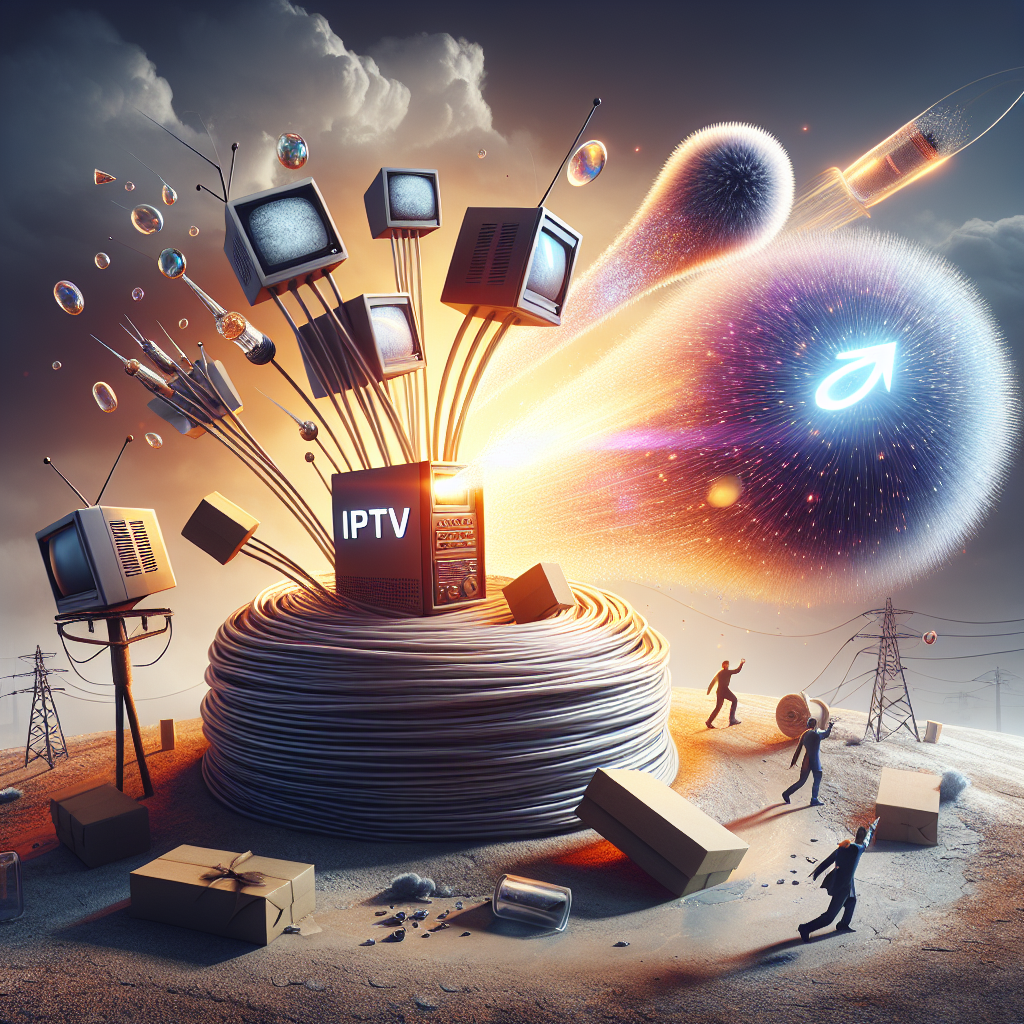
IPTV Adoption Faces Hurdles Amid Telecom Transition in Mumbai
Mumbai’s telecom industry is at a critical juncture as it aims to transition from traditional cable TV to Internet Protocol Television (IPTV). This promising shift, however, is confronted by significant challenges, including inadequate fiber connectivity and resistance from established cable operators.
IPTV streamlines television content delivery via the internet, offering an alternative to the traditional cable and satellite models. Major players like Bharti Airtel, Tata Play, and Excitel view IPTV as a key opportunity to tap into the 120 million cable TV households in India—many of whom have yet to embrace streaming technology. Despite this potential, previous attempts to transition have faltered.
Vinish Bawa, a telecom expert with PwC, notes, “Telcos are striving to provide IPTV as an integrated, affordable option. Yet, its success hinges on robust fiber networks to ensure reliable access. Without this infrastructure, gaining traction remains a daunting task.” Bawa predicts that IPTV will eventually cause traditional DTH and cable services to experience significant subscriber churn due to its advanced features and flexible offerings.
The changing landscape of media consumption further complicates the situation. As Prashant Singhal, TMT emerging markets leader at EY Global, points out, “The modern viewer no longer needs an abundance of channels. For IPTV to succeed, it must deliver superior viewing experiences at competitive price points." A fundamental barrier remains: the need to upgrade coaxial networks to support fiber optic connections, an investment that requires substantial capital and consumer buy-in.
Statistics underline the urgency—current fixed broadband subscriptions in India stand at only 2.85 per 100 persons, sharply contrasting with the global average. Vivek Raina of Excitel highlights that Multi-System Operators (MSOs) are losing customers at an alarming rate, suggesting, “To mitigate this trend, we should provide a compelling offer—transitioning customers from conventional cable set-top boxes to IPTV boxes at no additional cost.”
Raina’s innovative approach could transform cost structures, reducing sales expenses dramatically. However, historically, cable operators have resisted similar transitions, fearing significant profit declines. This persistent hesitance could inhibit the important technological leap to IPTV, as multiple stakeholders jockey for position in an evolving market.
Reflecting on these developments, one is reminded of the Biblical principle found in Matthew 7:7: "Ask, and it will be given to you; seek, and you will find; knock, and it will be opened to you." In the same way, the telecom industry must seek solutions to its challenges while knocking on the door of innovation and adaptation.
As we contemplate this pivotal moment in the telecom sector, it invites us to reflect on broader spiritual lessons about progress and adaptability. Challenges are not just obstacles; they provide us with opportunities for growth and transformation. Just as the telecom industry navigates the complexities of technological shifts, we, too, are called to embrace change with faith and resilience.
In the face of uncertainty, let’s be curious about how we can innovate in our own lives, pursuing paths that reflect our highest aspirations and values. The journey of transition—whether in technology or spiritual growth—often holds the greatest lessons.
Explore and dig up answers yourself with our BGodInspired Bible Tools! Be careful – each interaction is like a new treasure hunt… you can get lost for hours 🙂