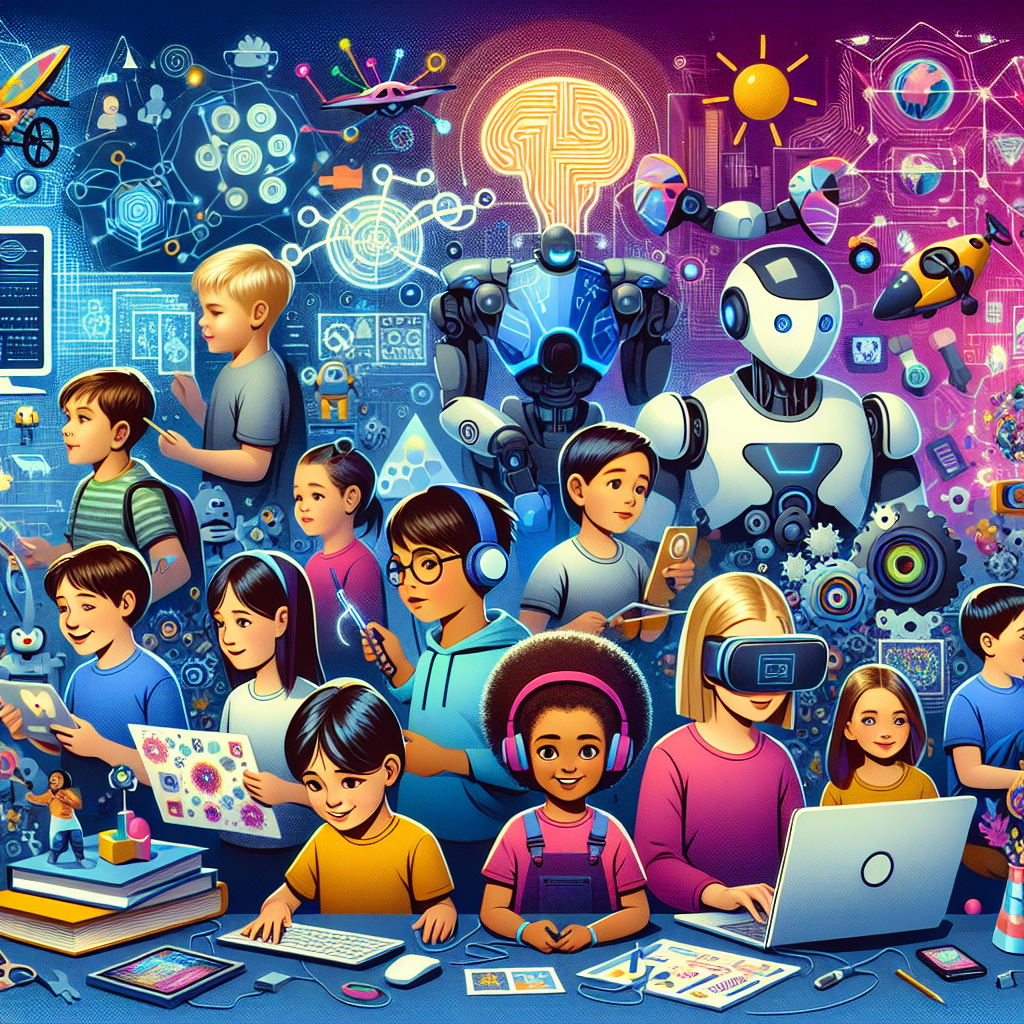
How AI is Rewiring Childhood: A New Era for the Next Generation
In an age where artificial intelligence (AI) is rapidly evolving, the impact on childhood development is profound and far-reaching. The Economist explores how these advancements are not only reshaping the way children learn, play, and interact but also raising critical questions about their future well-being.
As children increasingly engage with AI-driven technologies—from smart toys to personalized learning platforms—experts are observing significant changes in cognitive and social skills. While these tools offer enriching educational opportunities, they also highlight potential concerns about dependency and diminished face-to-face interactions. How do we balance these innovations with the core values of human connection?
The Duality of Innovation
AI’s role in education has the potential to revolutionize learning environments. With real-time feedback and tailored curricula, students can progress at their own pace, igniting a thirst for knowledge. Proverbs 1:7 underscores the importance of wisdom, stating, “The fear of the Lord is the beginning of knowledge.” As children navigate these advanced tools, it becomes essential for parents and educators to guide them, ensuring they develop both intellectual skills and wisdom.
However, the omnipresence of AI can lead to isolated experiences. Children may miss out on critical social interactions, making it all the more vital to foster environments where human connection remains a priority. Human interaction is integral to emotional resilience and empathy—qualities echoed in Ephesians 4:32, which encourages kindness and compassion toward others.
Nurturing a Balanced Approach
The conversation surrounding AI and childhood is not merely about technology; it’s about guardianship and values. As caregivers and educators navigate this new terrain, they are called to reflect on how to integrate biblical principles into the educational framework. Meaningful conversations about morality, empathy, and community should accompany technological integration, ensuring that children grow both intellectually and spiritually.
Ultimately, creating a balanced approach requires intentionality. By fostering spaces where children can engage with one another, while also exploring the benefits of AI, we encourage holistic development. This duality echoes the teachings of Jesus, who emphasized love for others and the importance of relationships.
Encouraging Reflection
As we witness AI reshape childhood, let us not forget the profound spiritual lessons we can impart. Just as Jesus taught us to prioritize love and community, we must ensure that technology enriches—not replaces—the fundamental human experiences.
Reflect on this: Are we cultivating spaces where our children can thrive both in knowledge and in spirit? As we embrace the future, let’s remember to nurture our children’s hearts alongside their minds.
In closing, may we strive to guide the next generation with love and wisdom, grounded in principles that uplift both their intellect and their humanity.
Explore and dig up answers yourself with our BGodInspired App. Be careful – each interaction is like a new treasure hunt… you can get lost for hours 🙂